Professional Ant Control GuideTreatment, and Prevention
ants are the most common pest complaint in the United States, affecting an estimated 84% of homeowners at some point. While a few ants on the kitchen counter may seem minor, established colonies can number in the hundreds of thousands, causing structural damage (carpenter ants), painful stings (fire ants), food contamination (sugar ants), and electrical hazards (crazy ants). Professional ant control targets the colony at its source โ the queen โ rather than just killing visible workers. Unlike store-bought sprays that offer temporary relief, professional ant treatment uses species-specific strategies grounded in entomology. Different ant species require different approaches: carpenter ants need wood treatment and moisture remediation, fire ants require mound drenching and broadcast baits, and odorous house ants demand gel baits placed along pheromone trails. A licensed exterminator begins with precise species identification, then builds a treatment plan that matches the biology of the specific ant species present.
Get Your Free Quote
Send your request to the provider-matching network. Response times vary.
Professional ant control eliminates the entire colony โ not just visible workers โ through species-specific baiting, targeted treatments, and exclusion. Most infestations are resolved in 1-2 weeks with costs ranging from $150 to $800 depending on species and severity. inspection terms that vary by provider are standard.
Key Takeaways
- โKilling visible ants does not solve the problem โ the queen and 80-90% of the colony remain hidden and continue reproducing
- โDifferent ant species require fundamentally different treatments; species identification is the critical first step
- โMost ant infestations are resolved in 1-2 weeks with 1-3 professional treatments
- โPrevention is cost-effective โ spring perimeter treatment plus fall exclusion prevents most infestations from establishing
- โindependent pest-control providers have access to bait formulations and application techniques not available to consumers


Who This Is For
This page is for homeowners seeing ant trails in their kitchen, property managers dealing with multi-unit infestations, business owners facing health code concerns, and anyone who has tried DIY ant control without lasting results. Professional ant control is appropriate when ants return after cleaning, when you find wood damage from carpenter ants, when fire ant mounds appear in your yard, or when ants have established trails that store-bought products cannot eliminate.
The Problem
Killing visible ants does virtually nothing to solve an infestation. The ants you see are sterile female workers โ less than 5% of the total colony. The queen, safely hidden in a nest that may be dozens of feet from where you see activity, continues producing eggs at a rate of up to 800 per day for some species. Carpenter ant colonies can contain 50,000 workers tunneling through structural wood for years before damage becomes visible. Fire ant mounds can house over 200,000 aggressive ants that swarm and sting simultaneously when disturbed. Common DIY approaches often make the problem worse. Spraying ant trails with contact killers may kill the workers you see but often causes the colony to split โ a process called budding โ where the queen and part of the colony relocate and establish a new satellite nest. Over-the-counter baits placed incorrectly or with expired active ingredients fail to attract ants, wasting time and allowing the colony to continue expanding. Each day of delay gives the colony opportunity to extend its tunnel network, produce more reproductive ants, and increase the scope and cost of eventual professional treatment.
Warning Signs
- โขVisible ant trails along baseboards, countertops, and window sills, especially in kitchens and bathrooms
- โขSmall piles of sawdust-like material (frass) near wooden structures, indicating carpenter ant excavation
- โขDirt mounds in lawns and near foundations, characteristic of fire ants and pavement ants
- โขRustling or faint clicking sounds inside walls, particularly at night when carpenter ants are most active
- โขWinged ants (swarmers) indoors, which indicates a mature colony nearby that has been established for 3-6 years
- โขHollow-sounding wood when tapped, a sign of extensive carpenter ant tunneling
- โขGrease trails or faint pheromone paths along surfaces where ants travel regularly
Risks of Waiting
- โ Carpenter ants can weaken structural timbers, floor joists, and roof rafters over years of continuous tunneling
- โ Fire ant stings cause painful pustules and can trigger anaphylaxis in sensitive individuals, with over 14 million people stung annually
- โ Pharaoh ants and other small species can spread pathogens including salmonella and staphylococcus in healthcare facilities and food preparation areas
- โ Electrical damage โ crazy ants and other species are attracted to electrical equipment and can short-circuit HVAC systems and appliances
- โ Satellite colony formation means one untreated nest becomes three or four separate colonies within a single season
How severe is your ant problem?
Treatment Options
Gel Baiting
$150-$350Slow-acting insecticide gel applied in cracks and along trails. Worker ants carry the bait back to the colony where it is shared with the queen and larvae through trophallaxis. Colony elimination occurs within 1-2 weeks as the active ingredient spreads through the entire population.
Perimeter Barrier Treatment
$200-$400Non-repellent liquid insecticide applied around the foundation exterior and key entry points. Creates an invisible barrier that ants cannot detect but fatally encounter. Provides 3-6 months of residual protection and is invisible to residents.
Carpenter Ant Wood Treatment
$350-$800Targeted dust and foam applications injected directly into wall voids, under sill plates, and into galleries where carpenter ants are active. Includes moisture source identification and remediation recommendations since carpenter ants require damp wood.
Fire Ant Mound Treatment
$200-$500Combination of individual mound drenching with fast-acting contact insecticide and broadcast bait application across the entire property. Baits contain insect growth regulators that prevent larvae from developing into reproductive adults, breaking the colony cycle permanently.
Integrated Pest Management (IPM)
$400-$1,200/yearComprehensive program combining inspection, monitoring, exclusion, sanitation recommendations, targeted treatments, and quarterly follow-up visits. IPM emphasizes prevention and minimal pesticide use, documenting every finding and action. Ideal for commercial properties, multi-unit housing, and eco-conscious homeowners.


The Science of Ant Colony Elimination: Why Baiting Works
Ant colonies operate as a superorganism, where the collective behavior of thousands of individual ants serves the survival of the colony rather than any single ant. The queen is the reproductive center โ in species like the Argentine ant, a single colony may have multiple queens, each laying up to 60 eggs per day. Killing workers alone is futile because the colony produces replacements faster than any consumer can spray. Professional-grade gel baits exploit the ants own biology against them. Worker ants โ foragers that make up 10-20% of the colony โ are attracted to the bait's food matrix (sugar, protein, or grease depending on the species and season). They consume the bait and return to the nest, where they share it through trophallaxis: mouth-to-mouth feeding that distributes nutrients and, in this case, insecticide throughout the colony. The slow-acting poison allows the foraging ant to make multiple trips before dying, ensuring wide distribution. Within days, the active ingredient reaches the queen, larvae, and the 80-90% of the colony that never leaves the nest. This approach is species-specific. Carpenter ants prefer protein-based baits in spring when feeding larvae and sugar-based baits in summer when the colony is mature. Fire ants are attracted to oil-based baits containing soybean oil as the carrier. Odorous house ants respond to sweet liquid baits. A professional knows which bait matrix and active ingredient combination to use based on the species identified during inspection โ this precision is what makes professional treatment orders of magnitude more effective than generic over-the-counter products.
Carpenter ants vs. Termites: Telling the Difference and Why It Matters
Carpenter ants and termites are often confused, but they require fundamentally different treatment approaches. Carpenter ants excavate wood but do not consume it โ they push the excavated material out as sawdust-like frass, often found in small piles beneath kick-out holes. Termites consume wood cellulose and leave behind mud tubes, damaged wood with a honeycomb appearance, and no visible frass outside the galleries. Visually, carpenter ants have a narrow, pinched waist and elbowed antennae, while termites have a broad, straight body and straight, beaded antennae. Winged carpenter ant swarmers have two pairs of wings with the front pair noticeably longer than the rear pair. Winged termite swarmers have four wings of equal length that are twice the body length. Carpenter ants are most visible at night, whereas termite swarmers typically emerge during daytime in spring. The treatment difference is critical. Carpenter ant control focuses on locating and treating the nest directly โ typically with dust or foam injected into wall voids where activity is detected โ plus addressing the moisture condition that attracted them. Termite control requires a completely different approach: soil treatment with termiticides, bait station installation around the foundation perimeter, or full-structure fumigation for drywood termites. Misidentifying a carpenter ant infestation as termites โ or vice versa โ results in wasted treatment and continued damage. Professional inspection and identification is the essential first step.
Seasonal Ant Activity: When to Treat for Maximum Effectiveness
Ant activity follows predictable seasonal patterns, and timing treatment to these cycles dramatically improves results. In spring (March-May), colonies awaken from winter dormancy. Queens resume egg production, and the colony shifts from survival mode to expansion mode. Early spring is the optimal time for preventive perimeter treatments and early baiting โ colony populations are at their seasonal low, making them easier to eliminate before the population explosion of summer. Summer (June-August) is peak ant season. Colonies reach maximum size, foragers are highly active, and homeowners are most likely to notice trails, mounds, and indoor activity. Summer treatments are reactive rather than preventive โ the colony is already large โ but summer baiting is highly effective because foraging activity is at its peak and bait acceptance is high. Fire ant mounds reach maximum density in late summer, making August and September the optimal months for broadcast bait application. Fall (September-November) brings a second surge of indoor ant activity as colonies seek warmth and food sources for winter preparation. Fall perimeter treatments combined with indoor baiting provide critical protection against overwintering ants. Winter (December-February) sees reduced activity in most regions, though indoor colonies of species like pharaoh ants and odorous house ants remain active year-round in heated buildings. Winter is an excellent time for inspection and exclusion work โ sealing entry points, repairing moisture damage, and preparing for spring treatment without the pressure of active infestation. The most cost-effective ant control strategy pairs a spring treatment with fall exclusion, creating a year-round protective cycle that prevents colonies from establishing in the first place.
Ant Inspection: Four Evidence-Based Checks
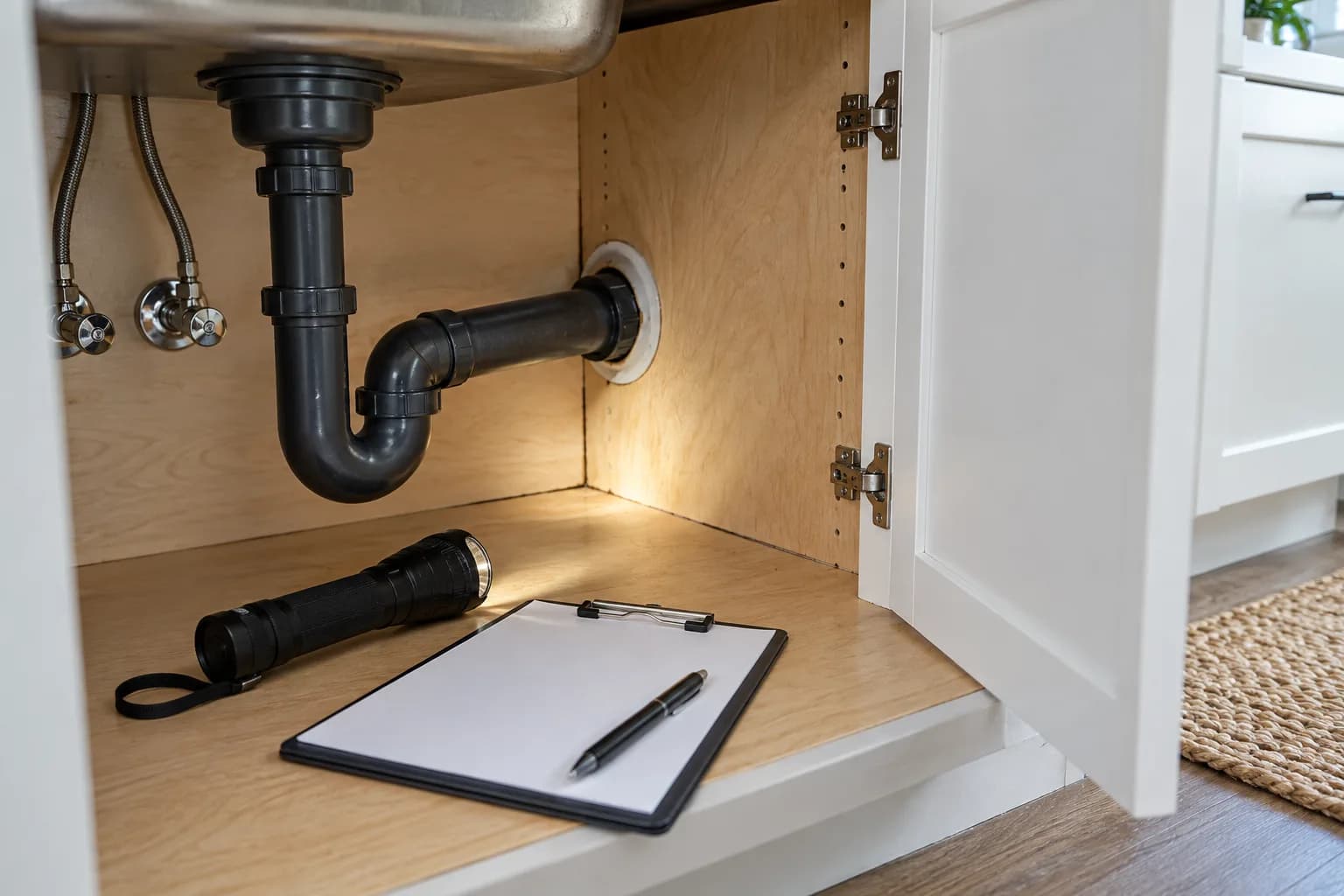
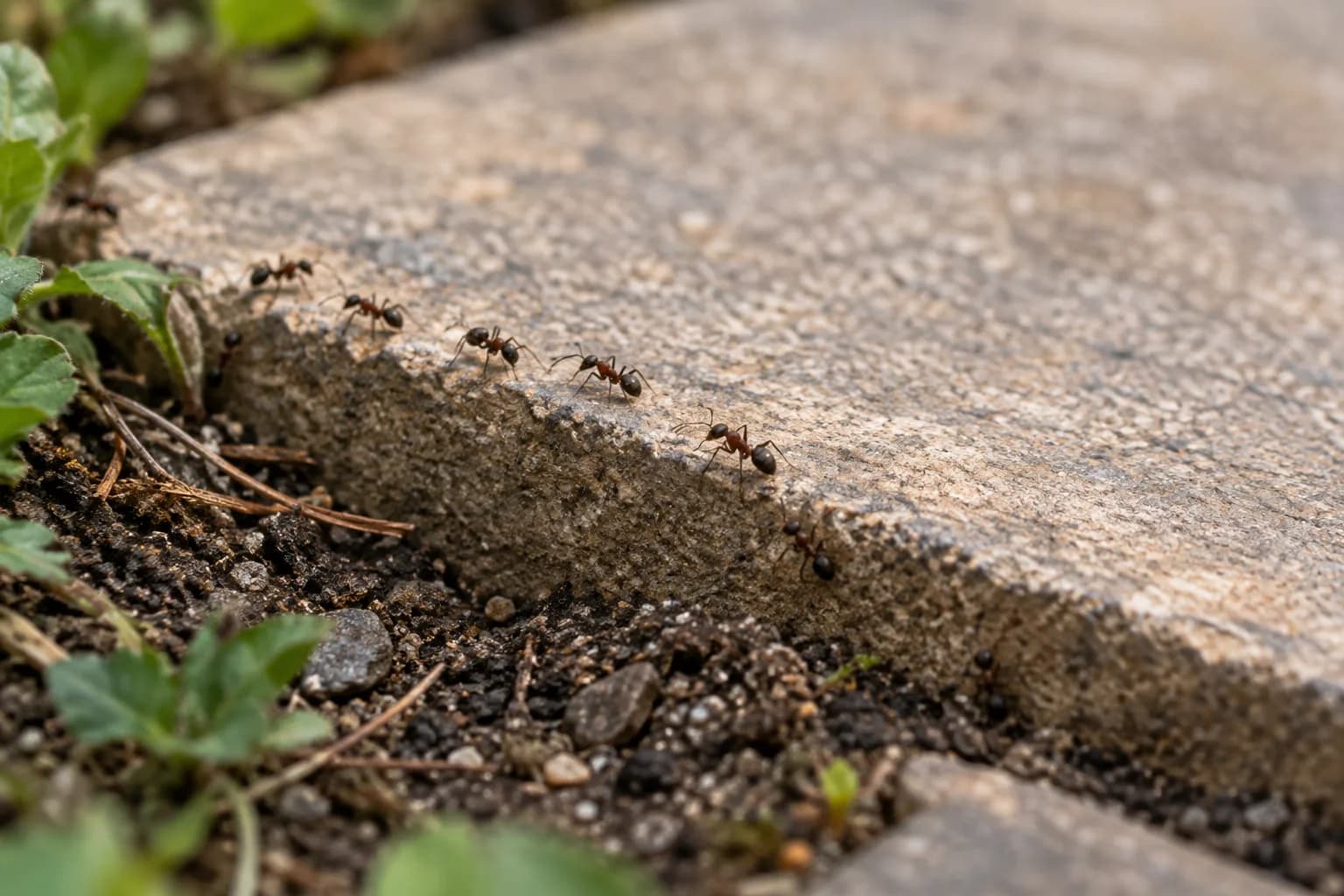
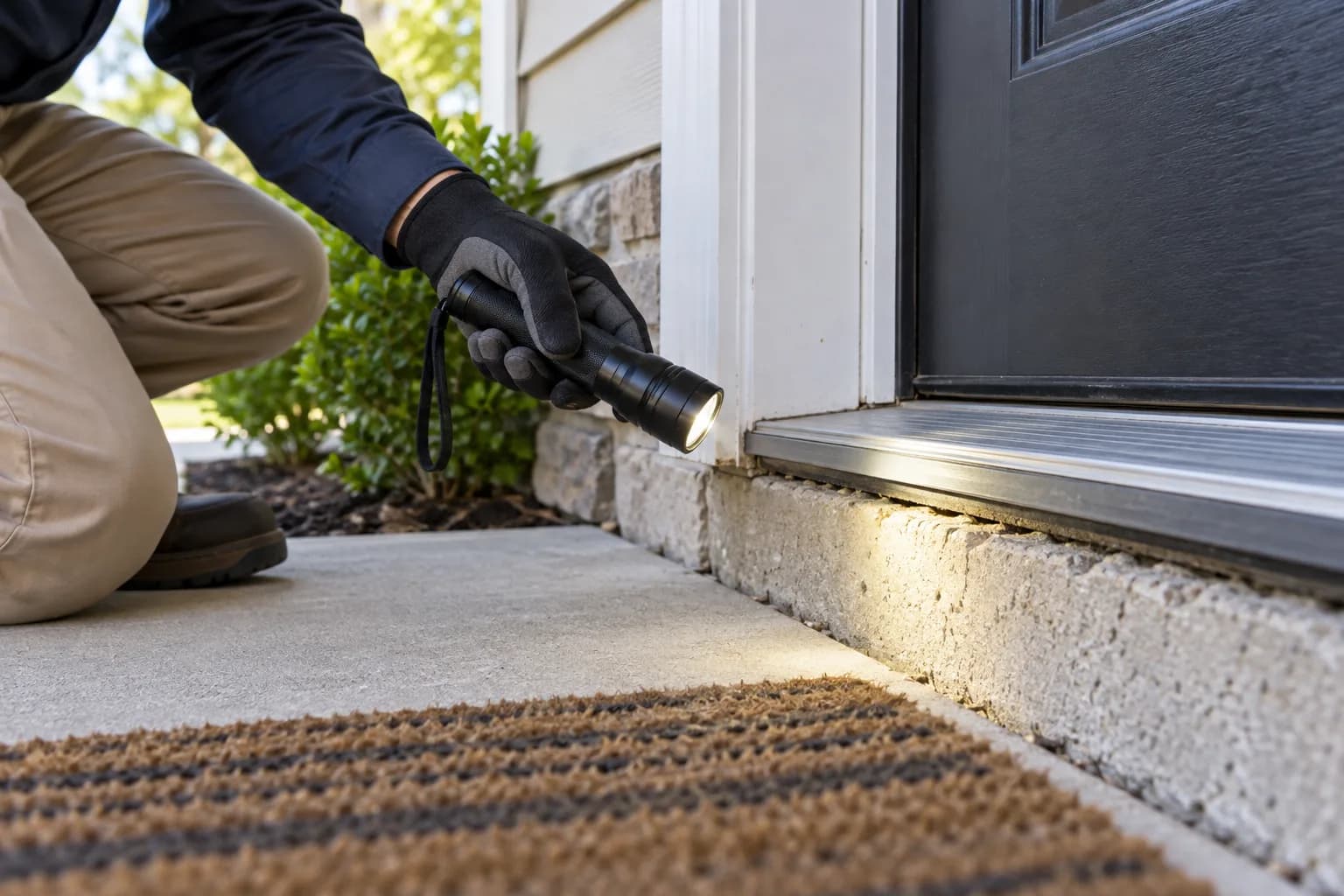
A short visual guide to ant trails, carpenter-ant evidence, indoor food and moisture conditions, and exterior entry points.
Read the video transcript
Follow visible ant trails to likely entry gaps and photograph the route before cleaning or sealing. Coarse frass near wood can be evidence of carpenter-ant activity, but identification requires closer inspection. Reduce accessible food and moisture, and inspect plumbing and wall penetrations instead of relying only on surface spray. Check mulch, vegetation, siding clearances, and utility entries. Treatment scope should follow confirmed evidence.
Ant Treatment Method Comparison
| Method | Cost Range | Time to Results | Best For |
|---|---|---|---|
| Gel Baiting | $150-$350 | 1-2 weeks | Sugar ants, odorous house ants, Argentine ants |
| Perimeter Barrier | $200-$400 | 24-48 hours | Prevention, seasonal protection |
| Carpenter Ant Treatment | $350-$800 | 2-4 weeks | Wood-destroying carpenter ants |
| Fire Ant Mound + Broadcast | $200-$500 | 2-4 weeks | Properties with multiple mounds |
| Integrated Pest Management | $400-$1,200/yr | Ongoing | Long-term prevention, commercial |
What Affects Cost
- โSpecies identification โ carpenter ant treatment costs more than sugar ant control due to the structural component
- โProperty size and number of entry points requiring treatment
- โInfestation age and severity โ older colonies require more extensive treatment
- โAccessibility of nest sites, particularly for carpenter ants nesting in wall voids or under slabs
- โGeographic location and regional pest pressure, which affects labor rates and treatment frequency
- โNumber of follow-up visits included, typically 1-3 for most infestations
- โWhether exclusion work such as sealing entry points or repairing moisture damage is required
What is your biggest concern about ants?
When to Call a Professional
Call a professional ant exterminator when ants return within days of cleaning, when you find sawdust-like frass near wood, when fire ant mounds appear in your yard, when winged ants emerge indoors, or when store-bought products have failed to provide lasting control. Most providers offer inspection terms that vary by provider โ reach out at +1 888 546 7983 to schedule yours.
DIY vs Professional
DIY ant control is appropriate for early-stage issues: a few foraging ants, a single small mound, or preventive perimeter spraying. However, once ants have established trails, multiple entry points, or visible colony activity in walls or wood, professional treatment becomes cost-effective. The primary limitation of DIY products is that they kill workers but leave the queen untouched. Professional-grade gel baits, non-repellent liquids, and dust formulations are not available to consumers and are formulated to be carried back to the nest for colony-level elimination. The cost comparison is instructive: a $150-$350 professional gel baiting eliminates the colony. The average homeowner spends $50-$150 on DIY products over several months before calling a professional, by which time the colony has expanded. The true cost of DIY is the delay โ every week of missed treatment allows the colony to grow and potentially produce winged reproductives that establish satellite colonies elsewhere on the property.
Local Context
Ant pressure varies significantly by region across the United States. In the Southeast and Gulf Coast, fire ants are a year-round concern with peak activity from March through October, and the warm, humid climate supports rapid colony growth. In the Pacific Northwest and Northeast, carpenter ants are the dominant threat, exploiting moisture-rich wood in older housing stock. The Southwest contends with harvester ants and invasive Argentine ants that form supercolonies spanning city blocks. California and the desert Southwest face unique challenges with Argentine ants that can number in the millions across interconnected nests. Local climate directly influences treatment strategy. In regions with extended warm seasons, quarterly perimeter treatments provide the most consistent protection. In colder climates where ants are dormant for 4-5 months, a spring treatment paired with fall exclusion offers cost-effective seasonal control. Matching the treatment to local ant species and seasonal pressure is the single most important factor in successful ant control โ generic treatments applied without local knowledge fail more often than they succeed.
Species and regulation must be checked before treatment
An address alone cannot establish the ant species, nest location, or treatment. Around this property, follow trails, document entry points, and distinguish coarse carpenter-ant frass, soil mounds, and ordinary foraging before choosing a control method.
Carpenter-ant evidence boundary
University of Minnesota Extension notes that carpenter-ant parent nests are commonly associated with moist or decayed wood, while satellite nests may occur in drier voids. Correct moisture problems and identify the nest rather than treating every large ant as proof of structural damage.
University of Minnesota Extension carpenter ant guideThis research layer summarizes public sources; it is not a local surveillance result, species identification, regulatory determination, or substitute for an on-site inspection.
Review the evidence and correction policyPrevention Tips
- โSeal cracks and gaps around windows, doors, pipes, and foundation penetrations with silicone caulk or expanding foam
- โStore all food โ including pet food โ in airtight containers and clean spills immediately
- โKeep kitchens and pantries free of crumbs by sweeping and mopping regularly, especially under appliances
- โFix moisture issues: repair leaky pipes, ensure proper drainage, and use dehumidifiers in damp basements
- โTrim tree branches and shrubs at least 18 inches away from the house โ ants use vegetation as bridges
- โRemove rotting wood, mulch, and debris from within 6 feet of the foundation where carpenter ants nest
- โSchedule annual professional inspections, ideally in early spring before ant activity peaks
๐ก Did You Know?
- โ An ant can lift 50 times its own body weight โ the equivalent of a human lifting a car
- โ There are over 12,000 known ant species worldwide, but only about 25 commonly infest homes
- โ Ant colonies can contain up to 500,000 ants โ all daughters of a single queen
Frequently Asked Questions
How do I know what type of ants I have?
How long does professional ant treatment last?
Are ant treatments safe for pets and children?
Why do ants keep coming back after I spray?
How quickly can I expect results?
What is the warranty on ant control services?
Can ants cause structural damage to my home?
How do professionals find the ant nest?
Related Pages
Content provenance and service transparency
General ant identification, inspection, and prevention guidance is supported by the cited public references. Generated educational visuals are labeled and do not document a local provider or service visit. Property findings, provider availability, pricing, products, credentials, and service terms require direct verification.
Published by Ant Exterminator ยท No named licensed-professional review is claimed ยท Updated 2026-07-02T22:00:00.000Z
How this content is produced and correctedGet Expert Ant Control Today
Call +1 888 546 7983 for a inspection terms that vary by provider and species-specific treatment plan.