Around Texas
Conditions vary across the state. Choose your city below, then describe what’s happening around your home or business.
Local ant information
Learn what to look for around your property, explore your city, and ask about an inspection or a quote.
Conditions vary across the state. Choose your city below, then describe what’s happening around your home or business.
Look for the rooms and outdoor areas where you regularly notice ants. Food, water, and small openings are useful things to mention when asking for help.
Ask about an inspection, what treatment would involve, and whether follow-up visits are included. You don’t need to know the ant species before getting in touch.
Before you compare quotes, it helps to know which ants actually live in Texas, when they are busiest, and what the state figures look like. Everything below links to the agency or university page it came from.
Damage plus control costs across the state make fire ants the dominant ant expense for Texas homeowners.
Texas A&M AgriLife ExtensionMounds near patios, play areas and pets deserve prompt treatment because a small share of people react severely.
Texas A&M AgriLife ExtensionFall baiting while ants are still foraging produces fewer mounds the next spring.
Texas A&M AgriLife ExtensionFire ant mating and foraging peak in spring and fall at 70–95 °F; broadcast bait late August through early October for fewer mounds next spring (Clemson HGIC; Texas A&M).
Federal fire ant quarantine covers Texas (APHIS). Tawny crazy ants were detected in Texas in 2002 (Mississippi State) and ghost ants reached Texas in 1994 or 1995 (UF/IFAS). TDA's Structural Pest Control Service licenses pest management professionals who apply pesticides in and around structures.
Sources: Texas A&M AgriLife Extension; Imported Fire Ants; Argentine Ants (Circular 926); Tawny Crazy Ant (Circular 1064); Ghost Ant, Tapinoma melanocephalum (Fabricius). Figures are quoted as the source prints them. How we check our sources
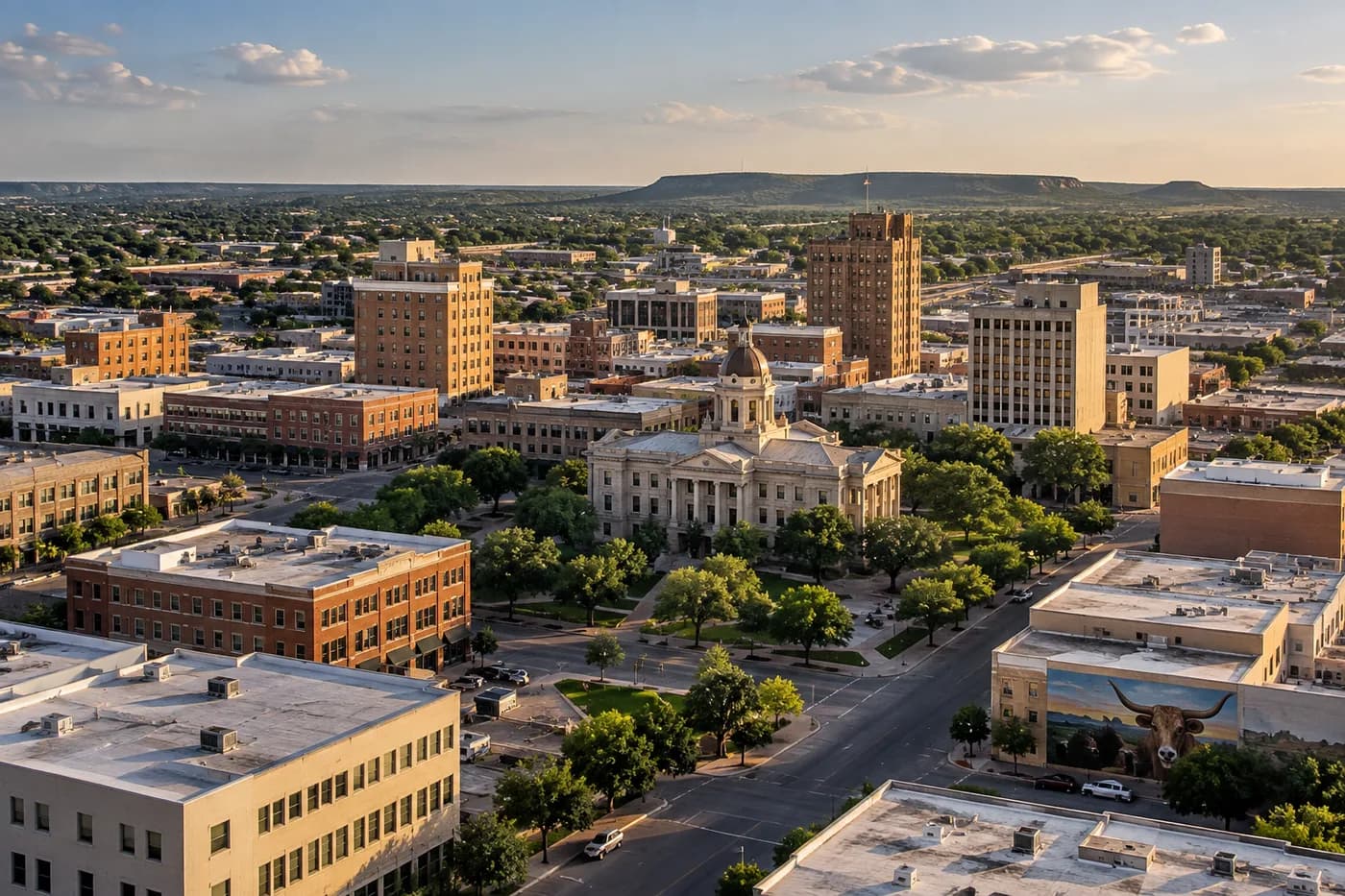
Humid Subtropical · suburban setting
Read the local guide →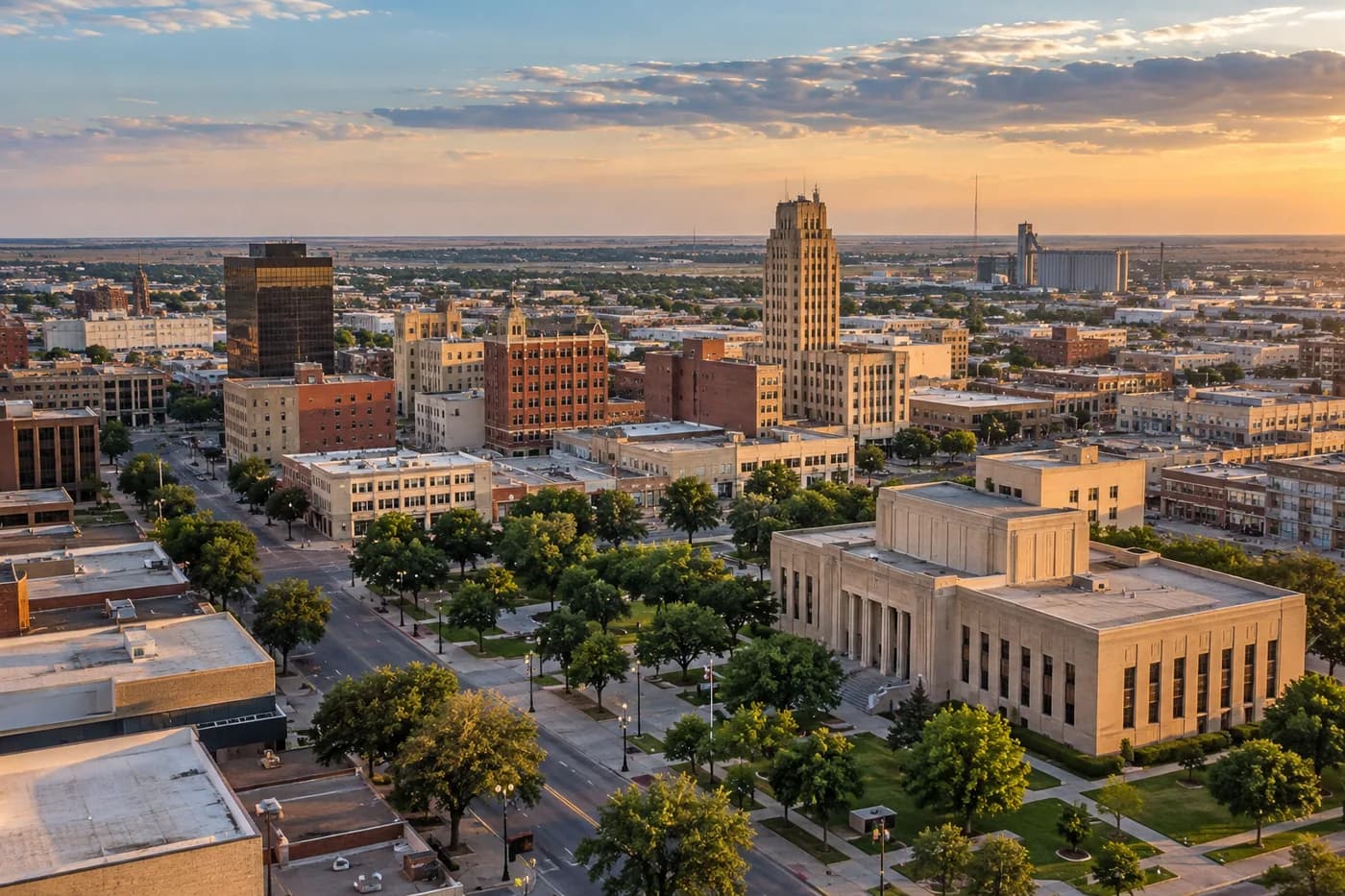
Semi-Arid · urban setting
Read the local guide →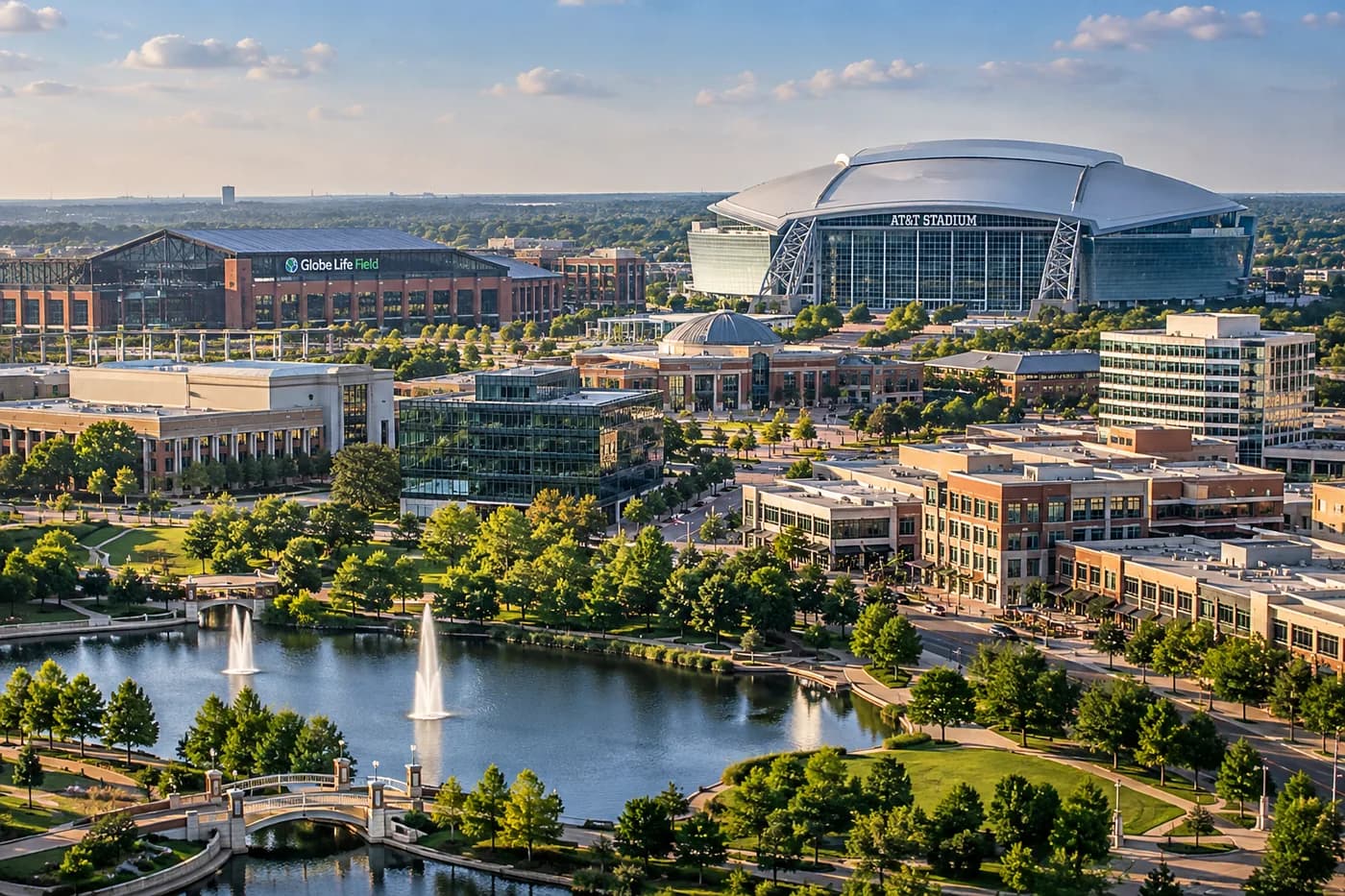
Humid Subtropical · urban setting
Read the local guide →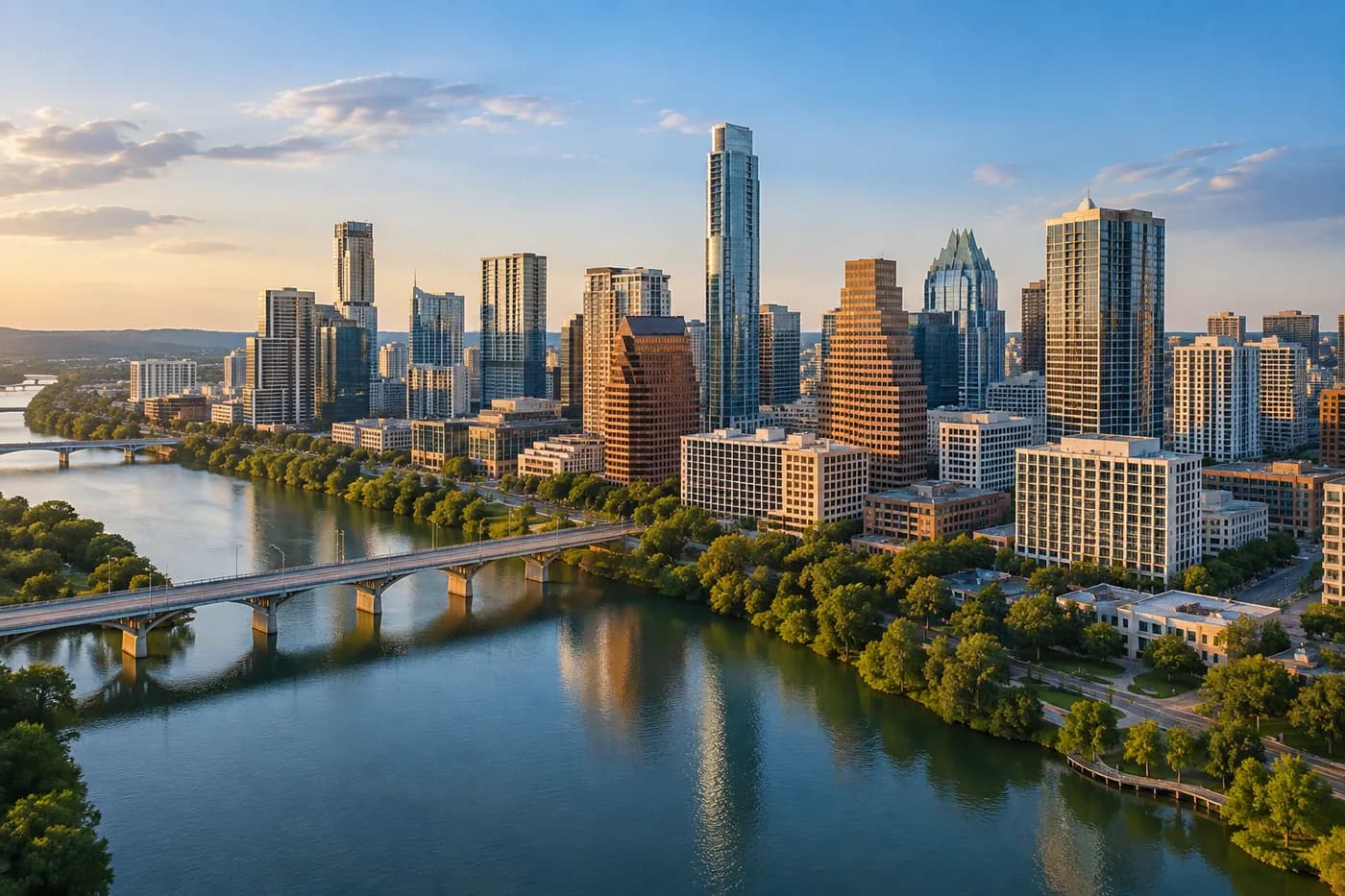
Humid Subtropical · urban setting
Read the local guide →
Humid Subtropical · urban setting
Read the local guide →
Humid Subtropical · suburban setting
Read the local guide →
Humid Subtropical · urban setting
Read the local guide →
Humid Subtropical · urban setting
Read the local guide →
Humid Subtropical · suburban setting
Read the local guide →
Hot Desert · urban setting
Read the local guide →
Humid Subtropical · urban setting
Read the local guide →
Humid Subtropical · suburban setting
Read the local guide →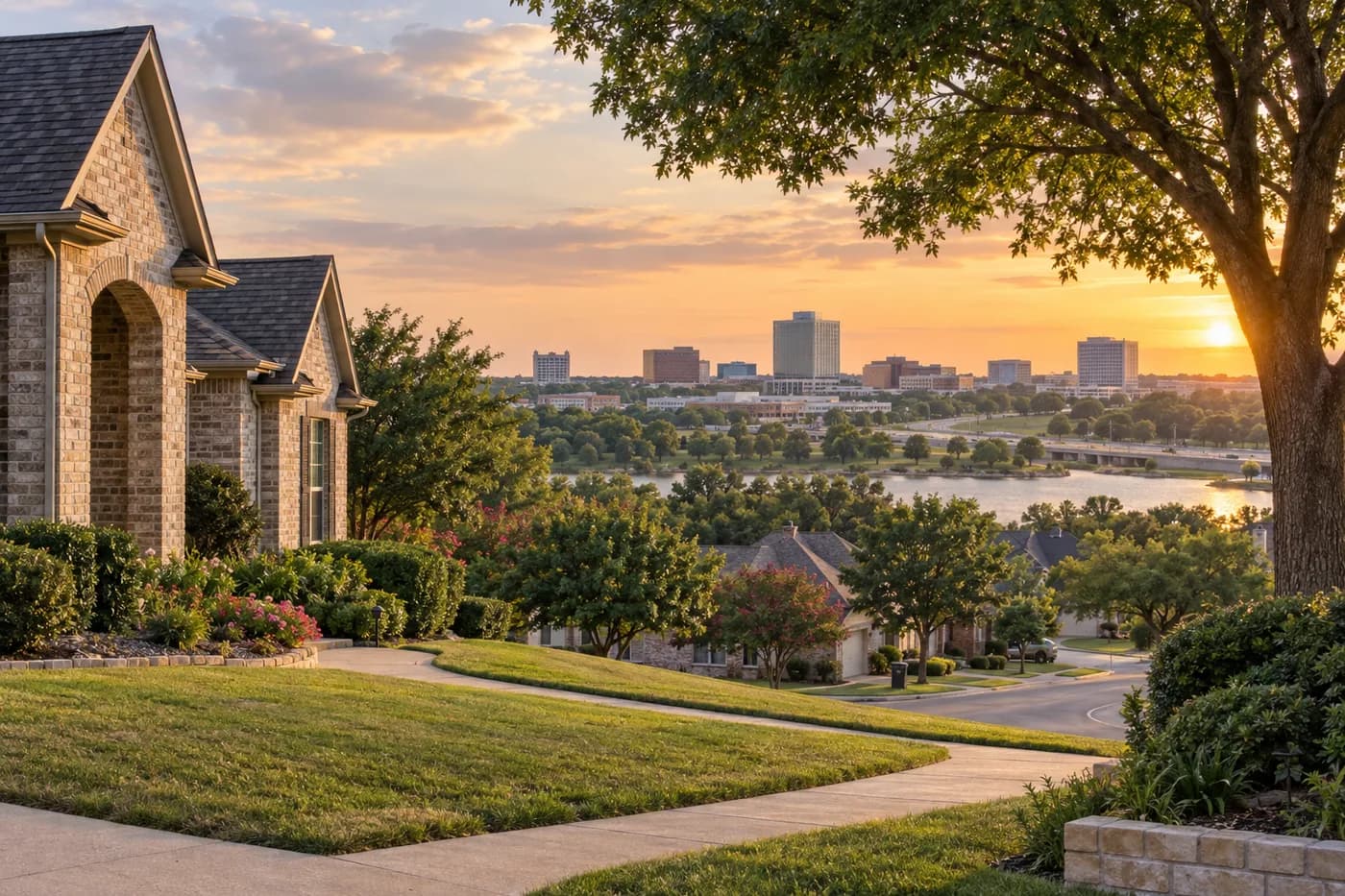
Humid Subtropical · urban setting
Read the local guide →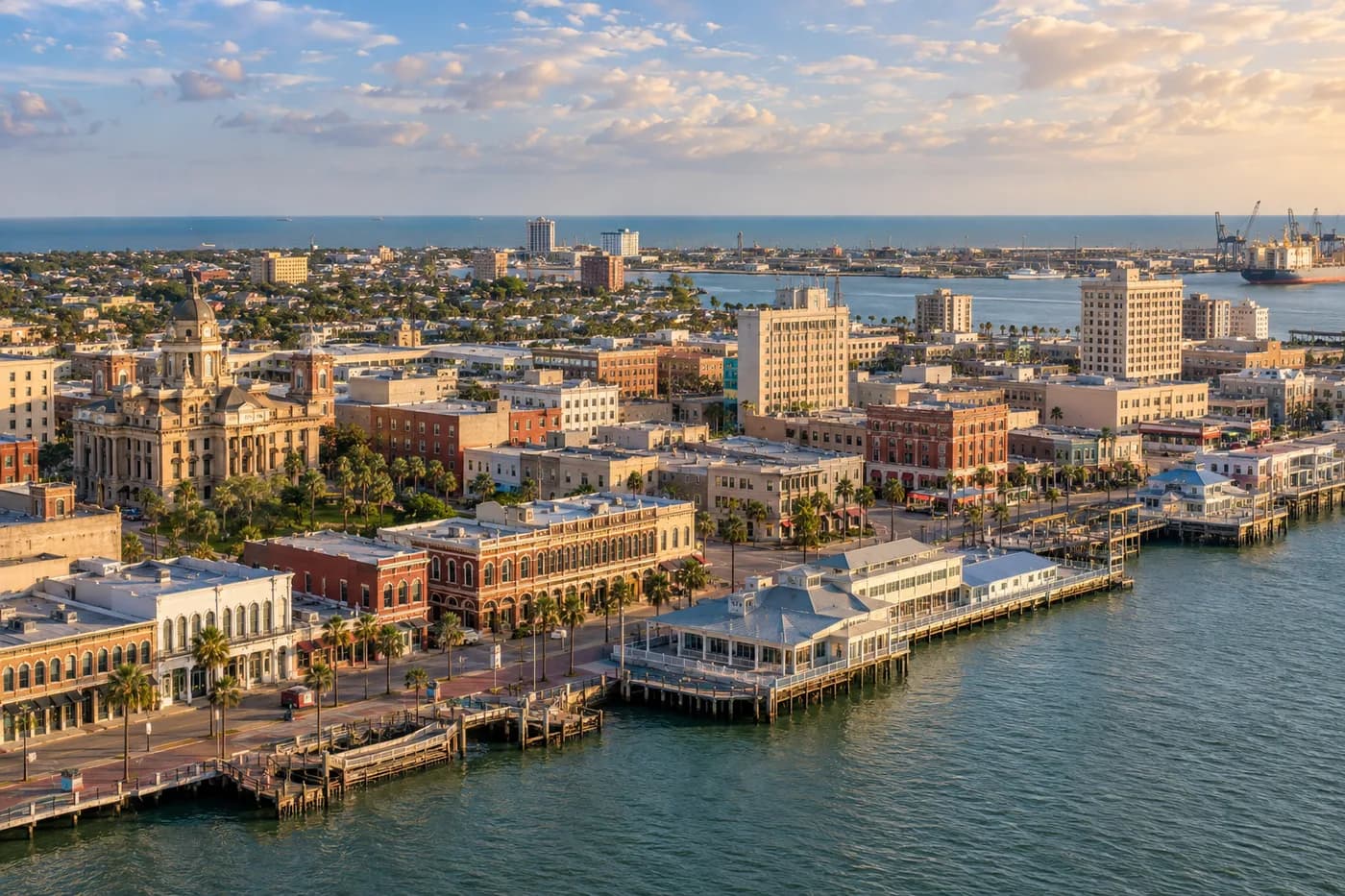
Humid Subtropical · urban setting
Read the local guide →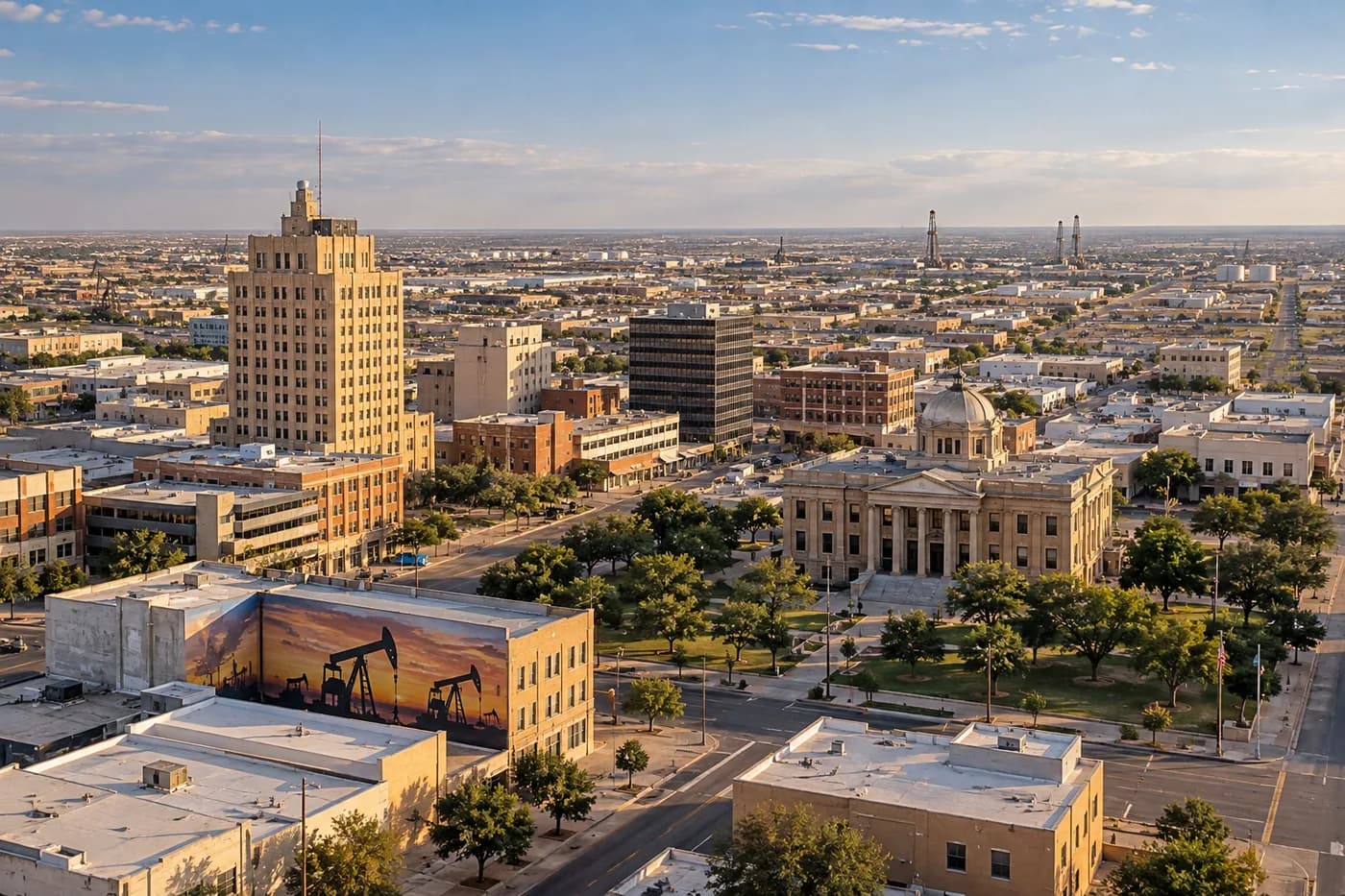
Semi-Arid · urban setting
Read the local guide →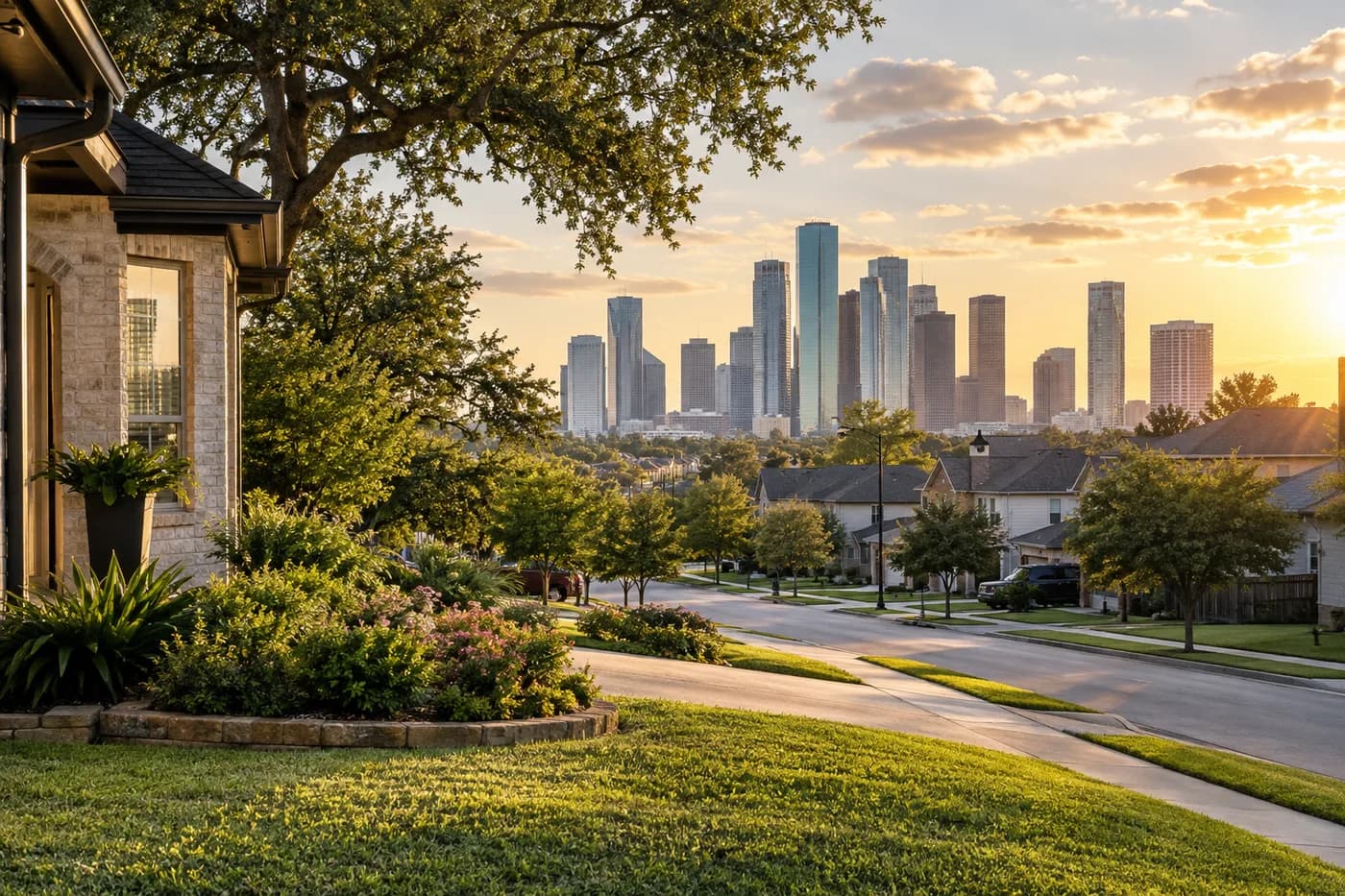
Humid Subtropical · urban setting
Read the local guide →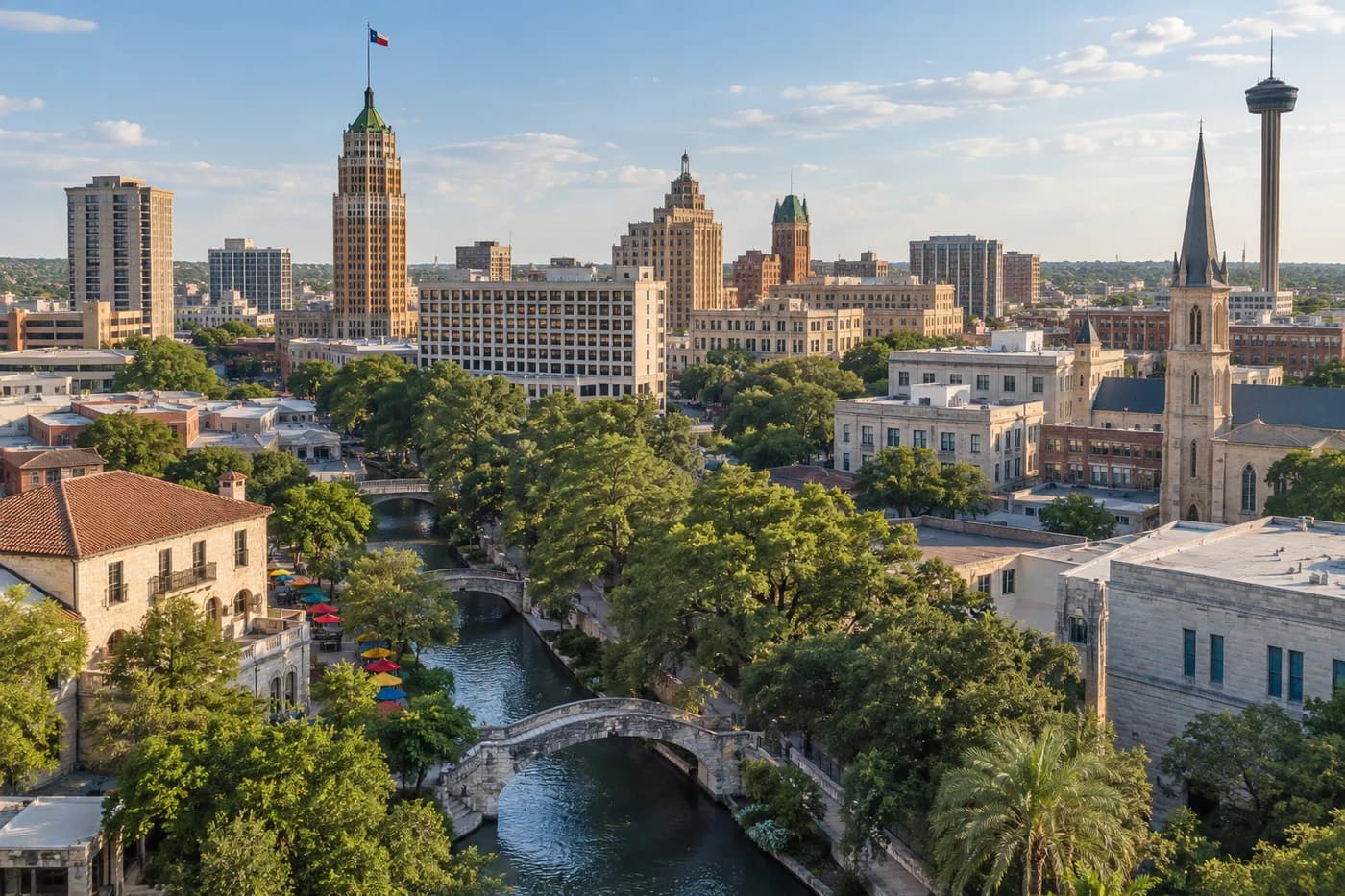
Humid Subtropical · urban setting
Read the local guide →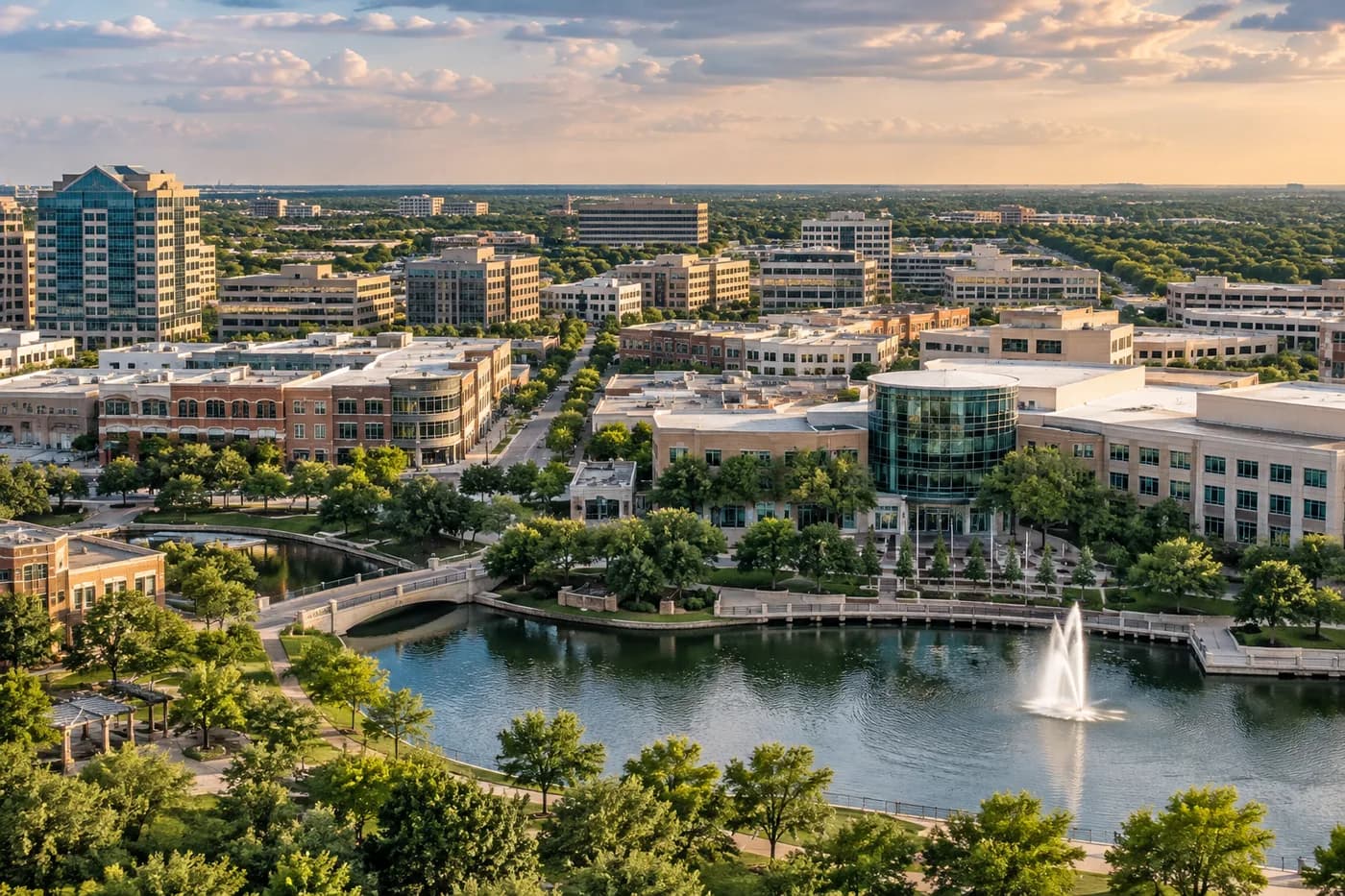
Humid Subtropical · urban setting
Read the local guide →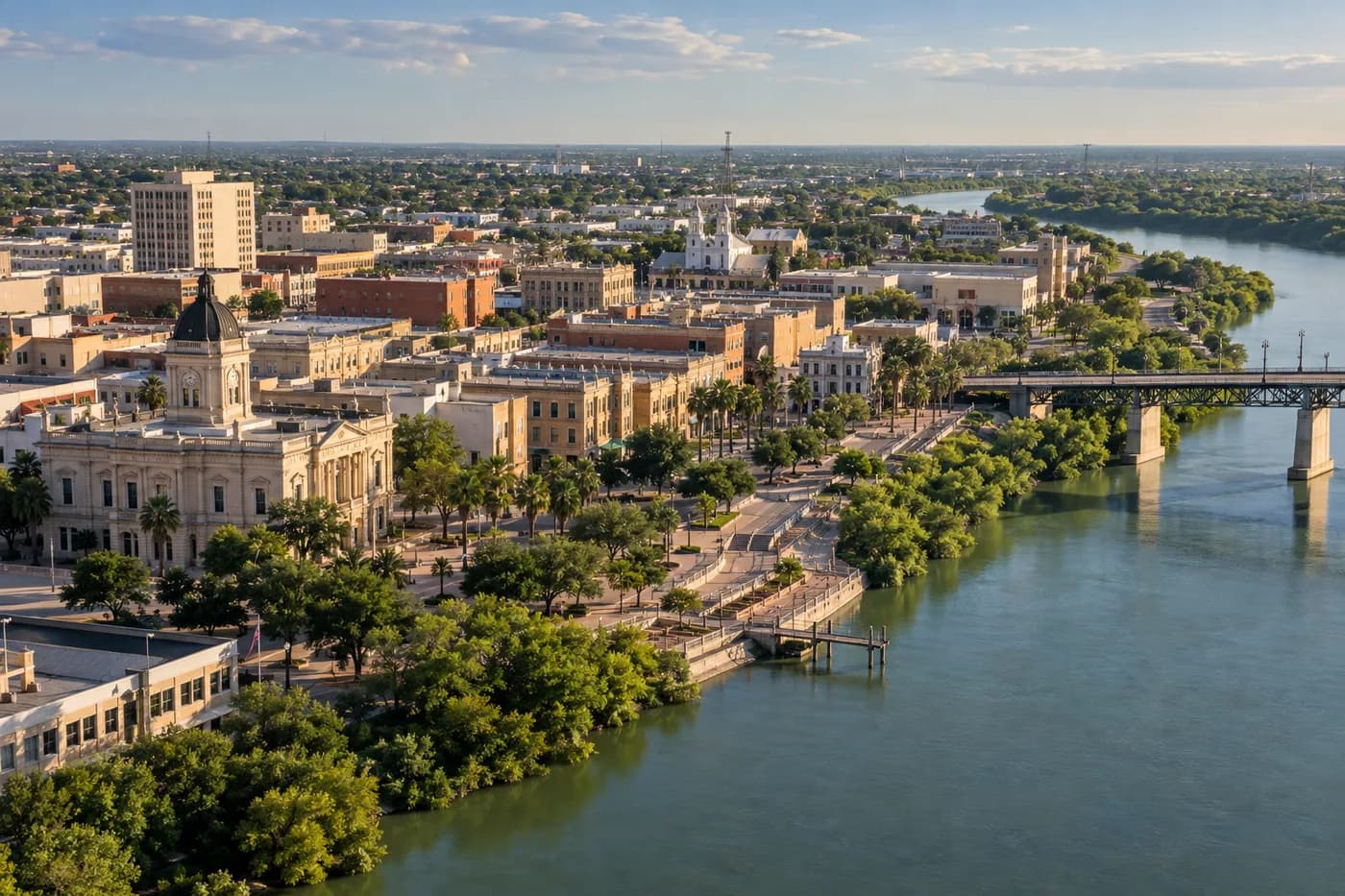
Hot Semi-Arid · urban setting
Read the local guide →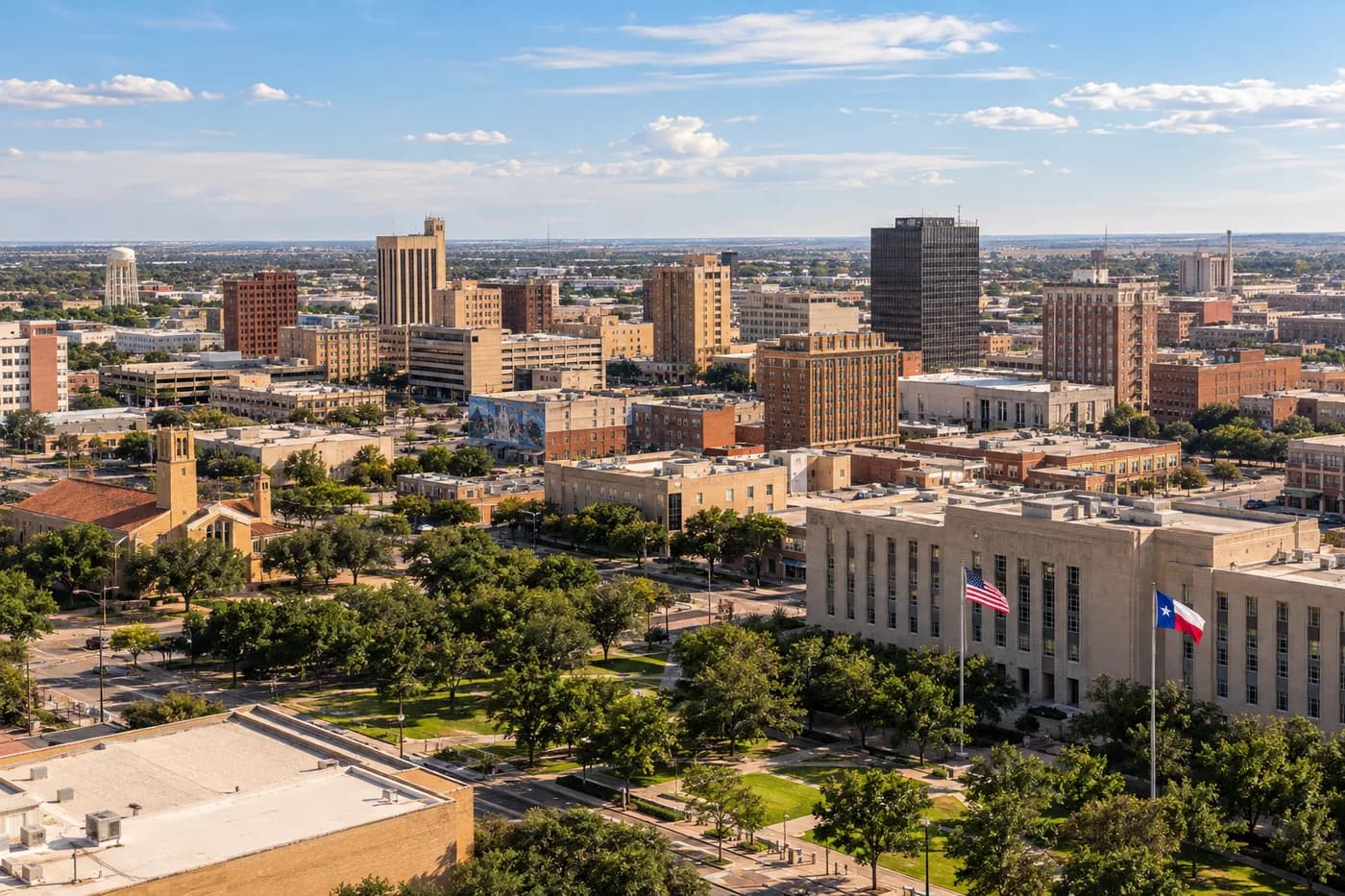
Cold Semi-Arid · urban setting
Read the local guide →