Around South Carolina
Conditions vary across the state. Choose your city below, then describe what’s happening around your home or business.
Local ant information
Learn what to look for around your property, explore your city, and ask about an inspection or a quote.
Conditions vary across the state. Choose your city below, then describe what’s happening around your home or business.
Look for the rooms and outdoor areas where you regularly notice ants. Food, water, and small openings are useful things to mention when asking for help.
Ask about an inspection, what treatment would involve, and whether follow-up visits are included. You don’t need to know the ant species before getting in touch.
Before you compare quotes, it helps to know which ants actually live in South Carolina, when they are busiest, and what the state figures look like. Everything below links to the agency or university page it came from.
One queen can rebuild a colony quickly, so baits that reach the queen matter more than mound drenches.
Clemson Home & Garden Information CenterProperly timed broadcast baits outperform spot treatments.
Clemson Home & Garden Information CenterDocumented severe reactions make this a medical as well as nuisance pest.
Clemson Home & Garden Information CenterFire ant activity peaks spring and fall at 70–95°F, foraging in evening during summer; Asian needle ants active March–late October, swarming late May–September (Clemson).
South Carolina is federally quarantined for imported fire ants (APHIS). Clemson recommends the two-step method: broadcast bait, then treat problem mounds 7–10 days later.
Sources: Clemson Home & Garden Information Center; Imported Fire Ants; Argentine Ants (Circular 926); Asian Needle Ant Around the Landscape and Home; White-footed Ant, Technomyrmex difficilis Forel. Figures are quoted as the source prints them. How we check our sources
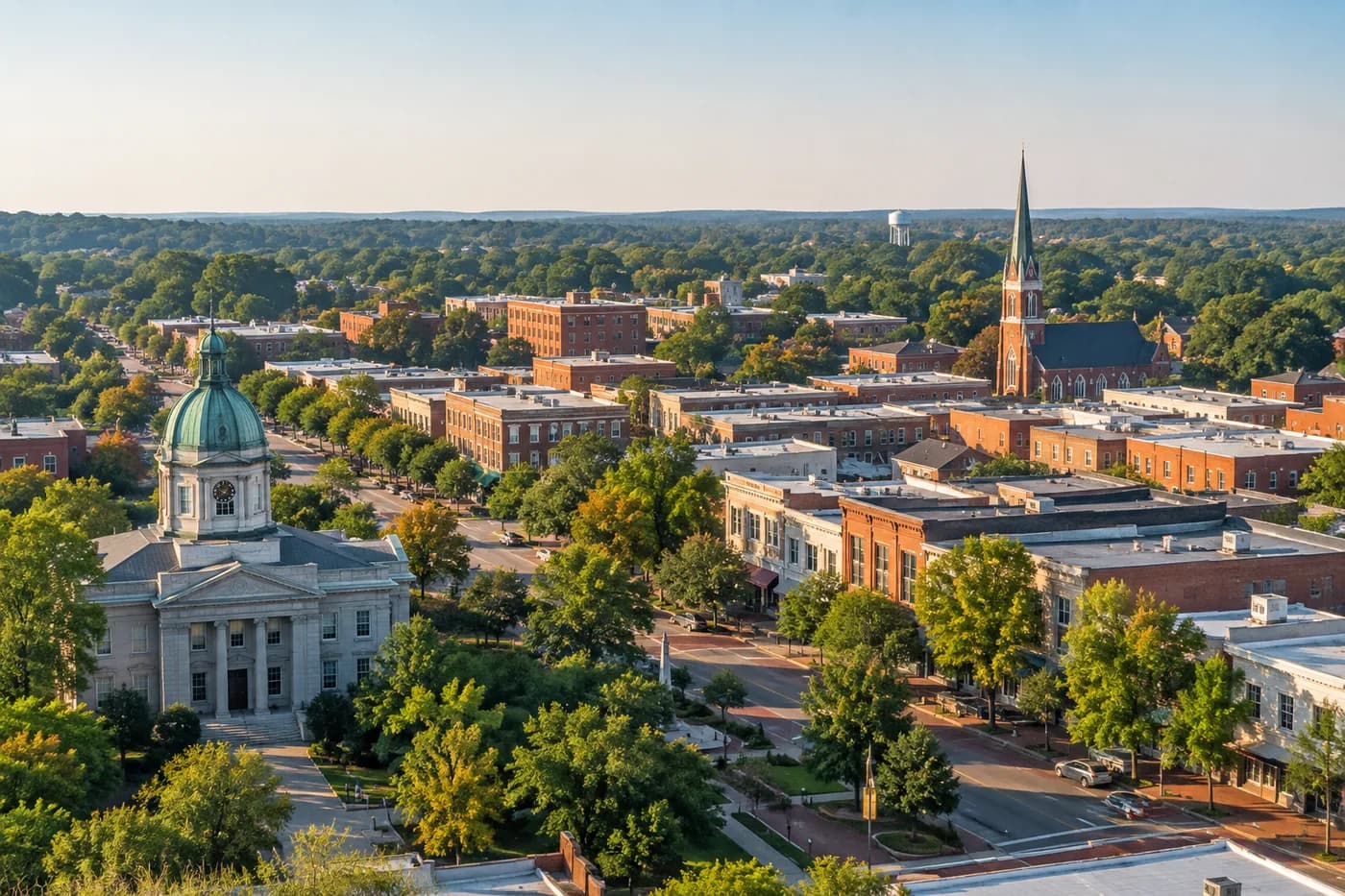
Humid Subtropical · rural setting
Read the local guide →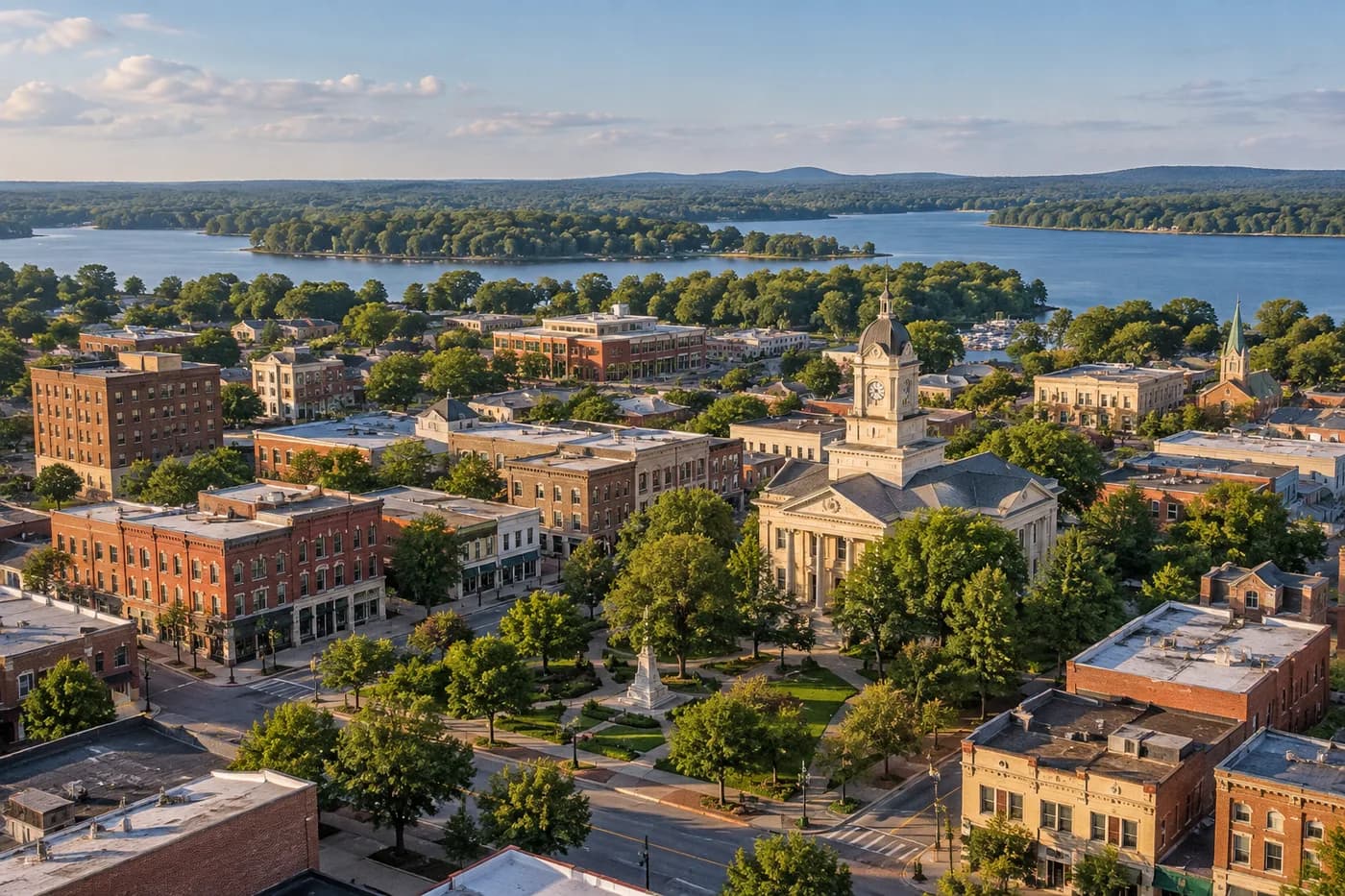
Humid Subtropical · suburban setting
Read the local guide →
Humid Subtropical · urban setting
Read the local guide →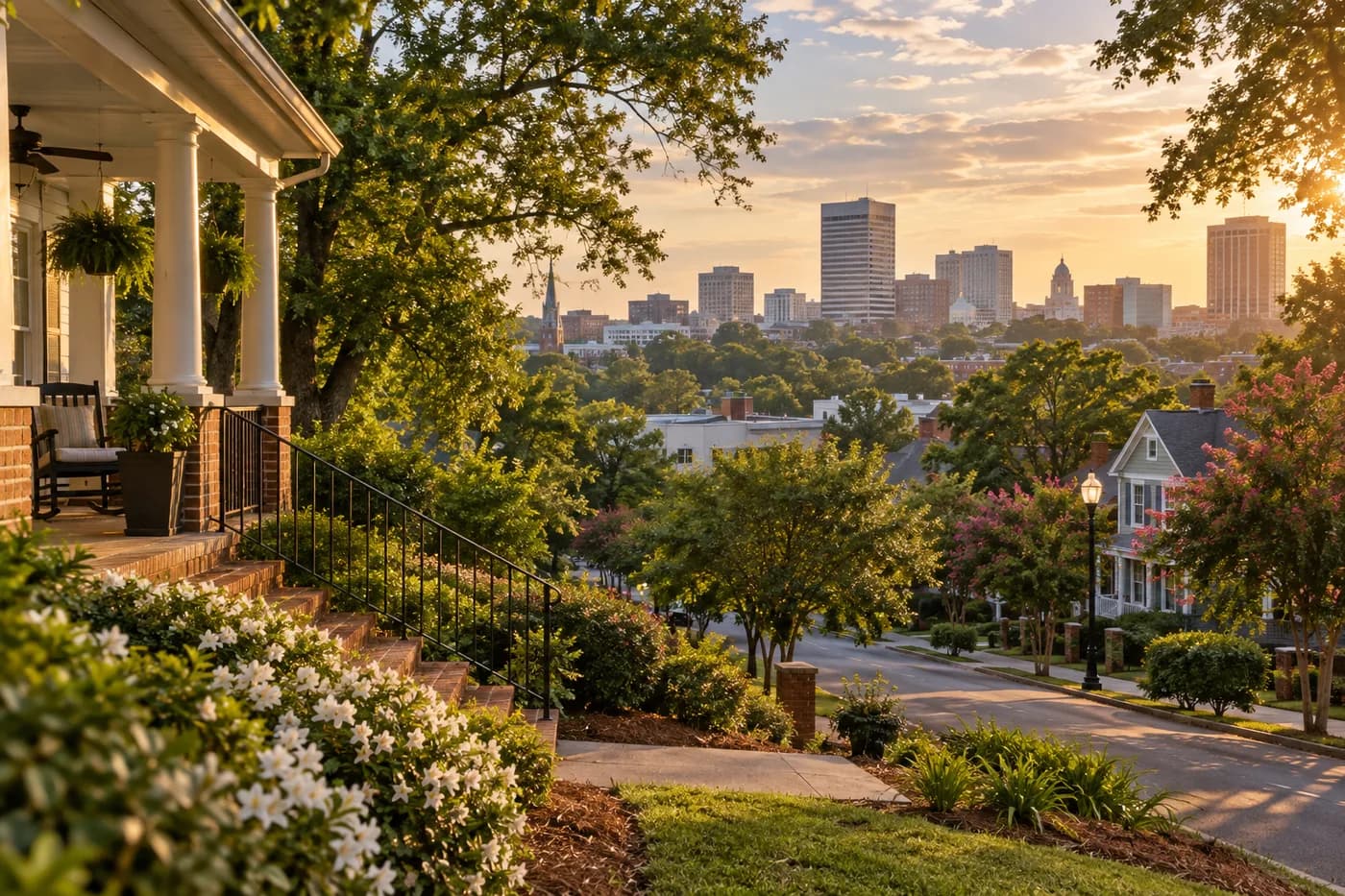
Humid Subtropical · urban setting
Read the local guide →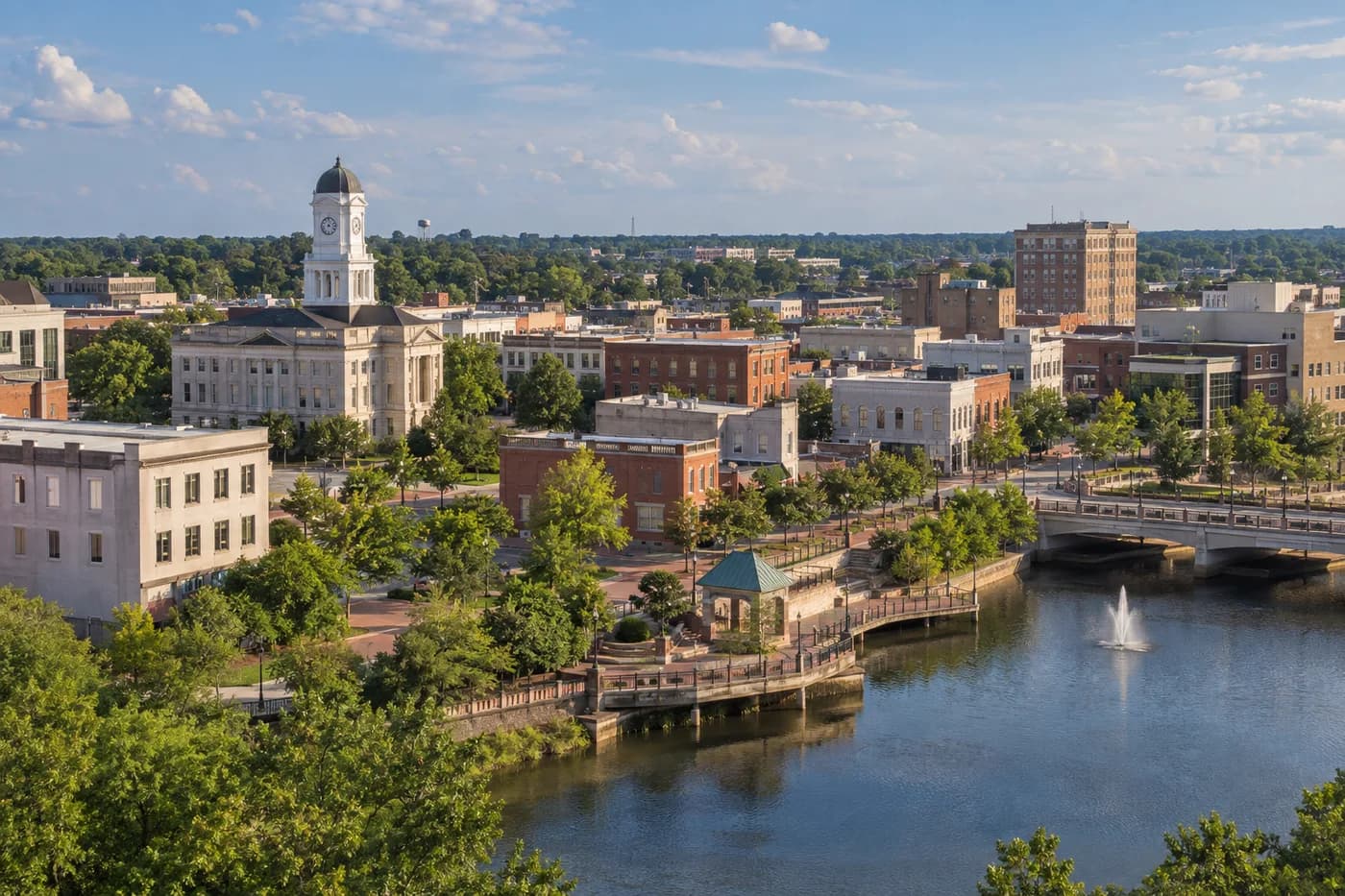
Humid Subtropical · suburban setting
Read the local guide →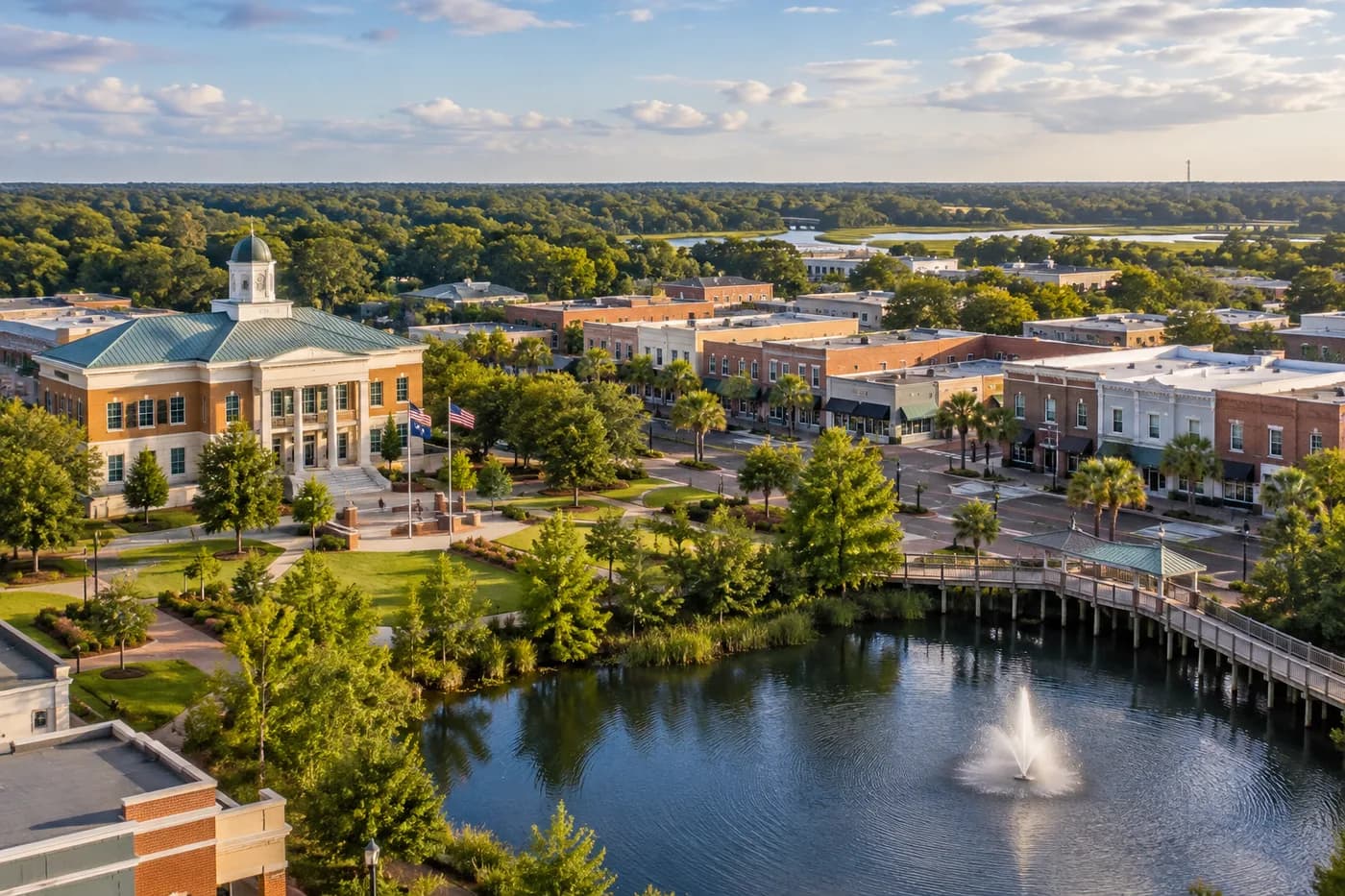
Humid Subtropical · suburban setting
Read the local guide →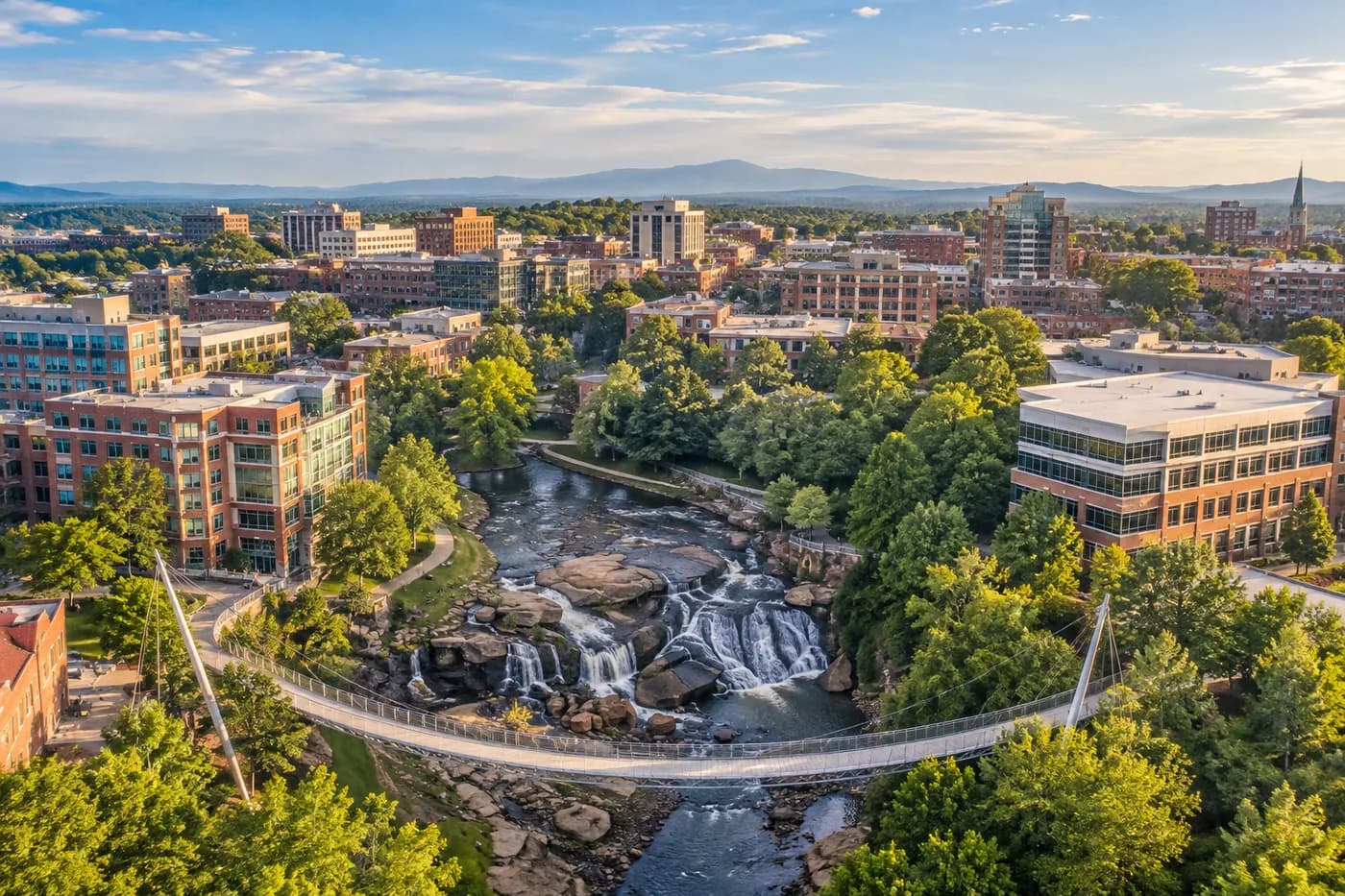
Humid Subtropical · urban setting
Read the local guide →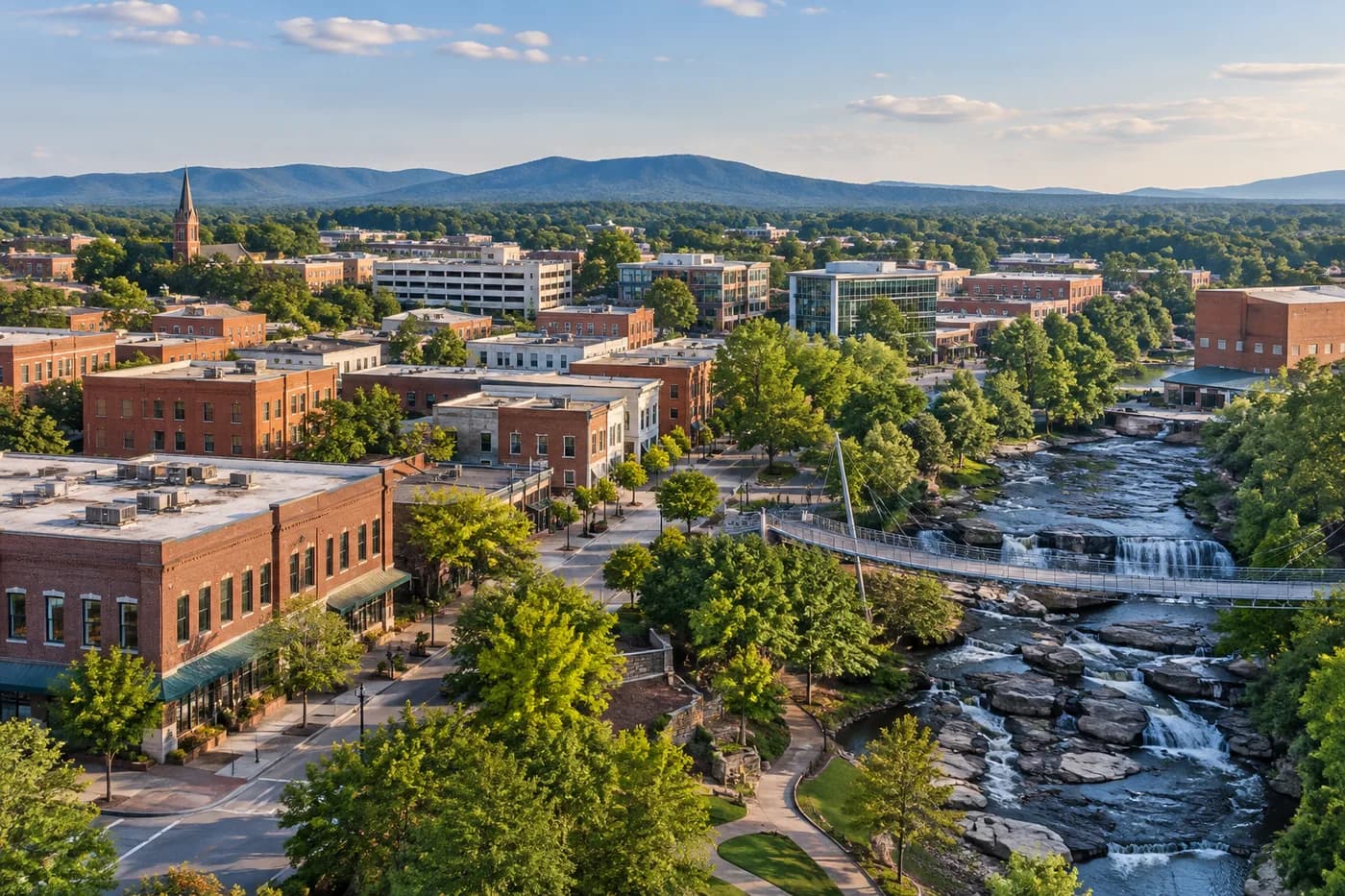
Humid Subtropical · suburban setting
Read the local guide →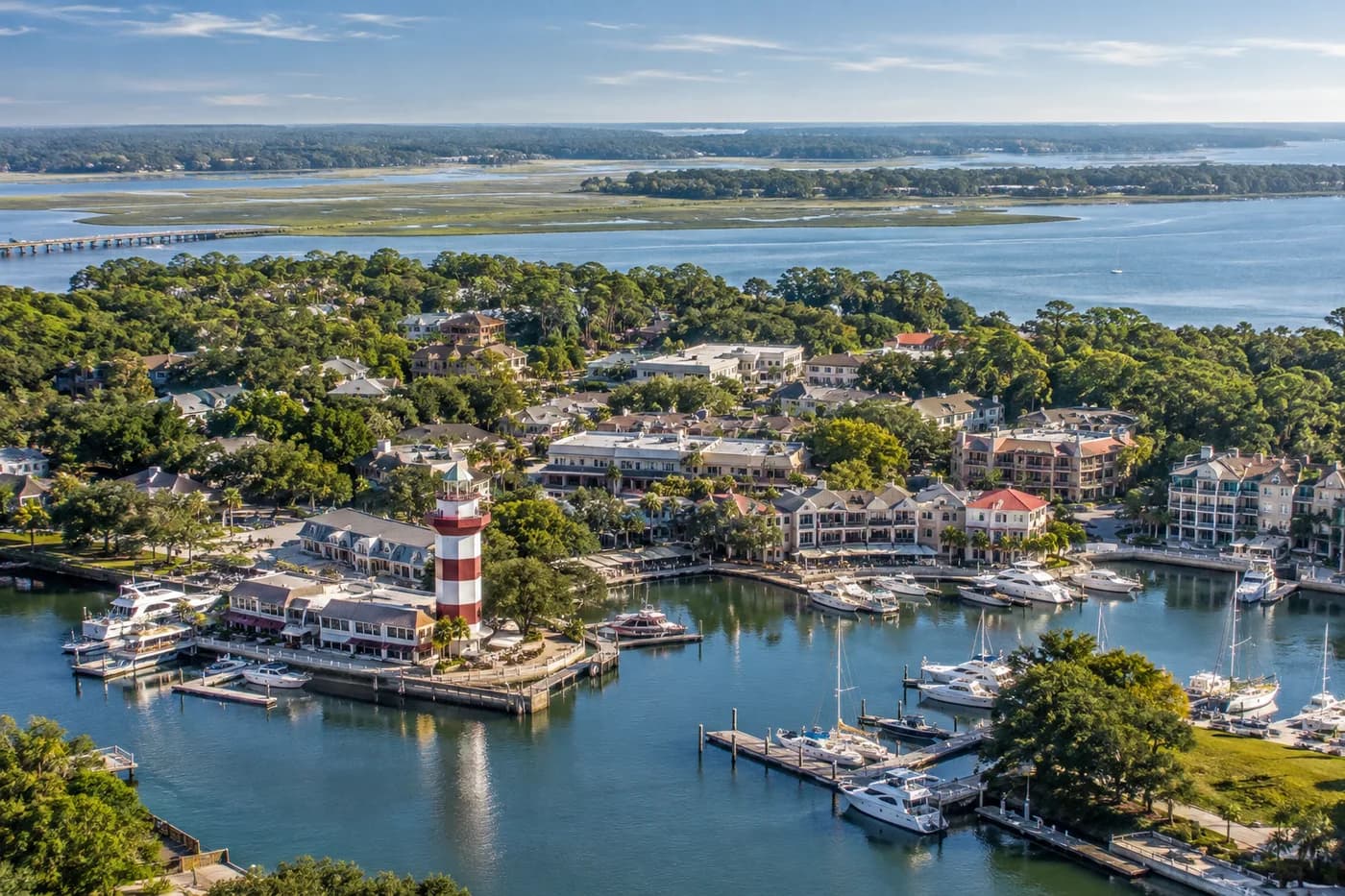
Humid Subtropical · suburban setting
Read the local guide →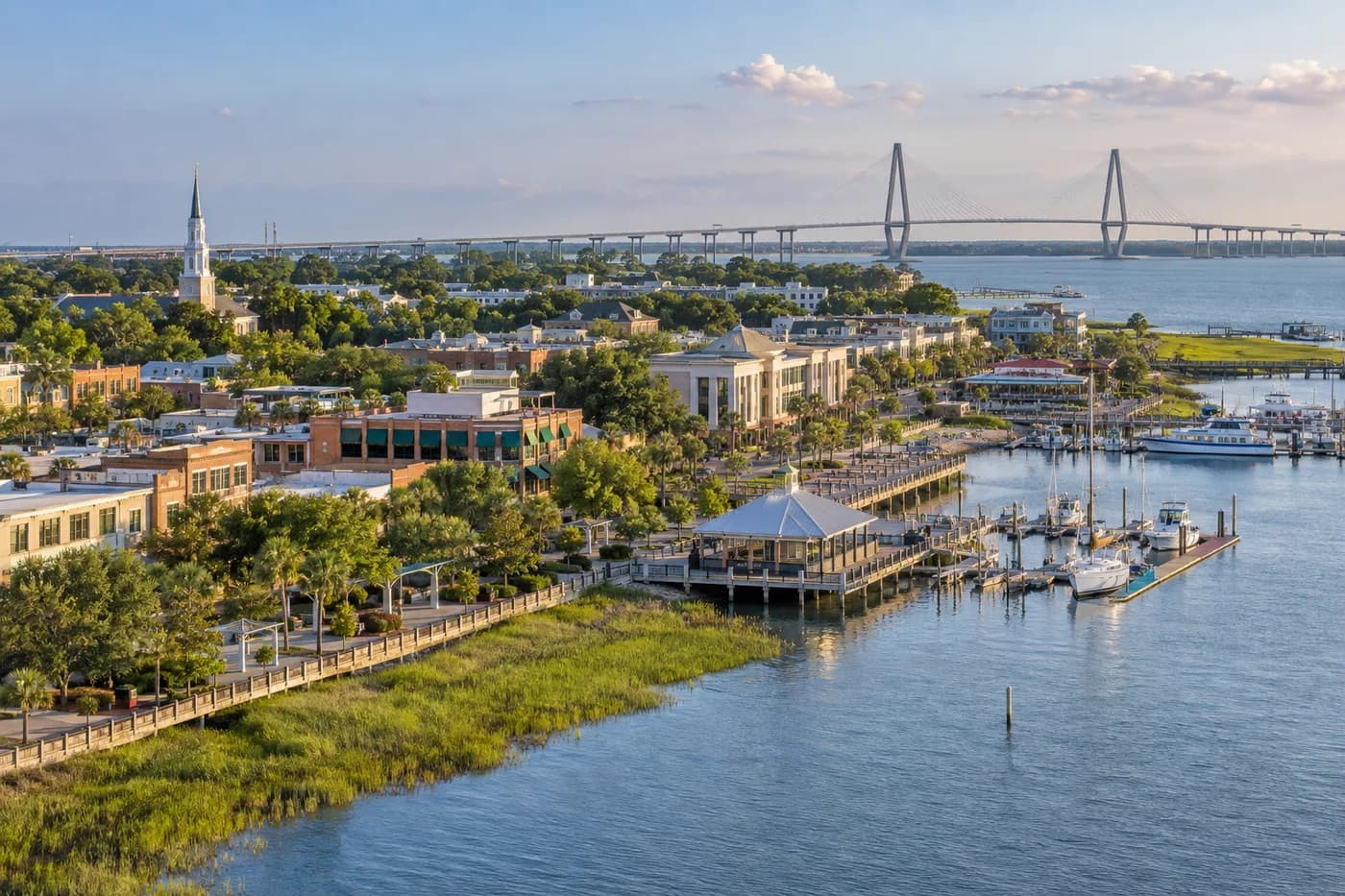
Humid Subtropical · suburban setting
Read the local guide →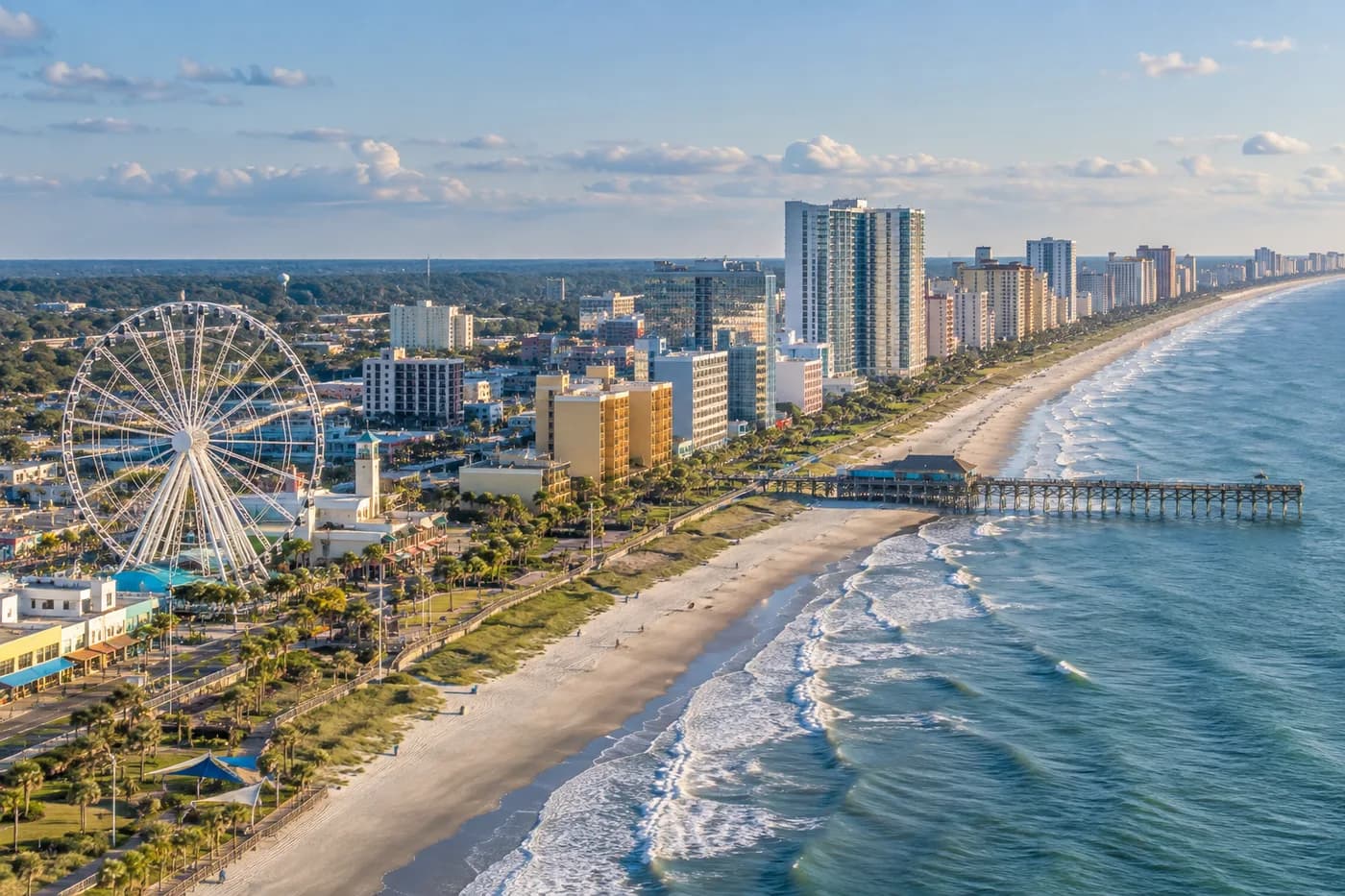
Humid Subtropical · urban setting
Read the local guide →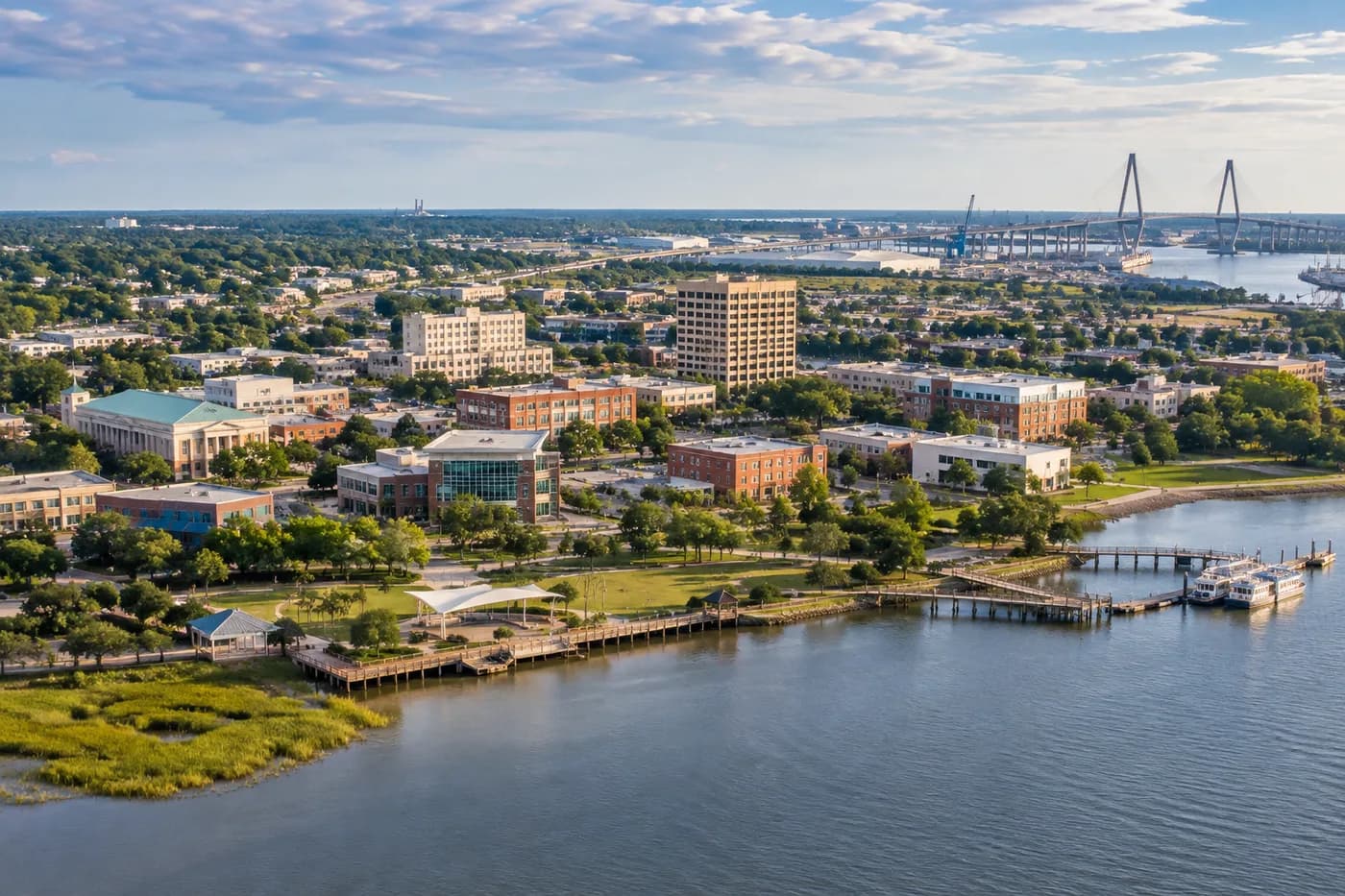
Humid Subtropical · urban setting
Read the local guide →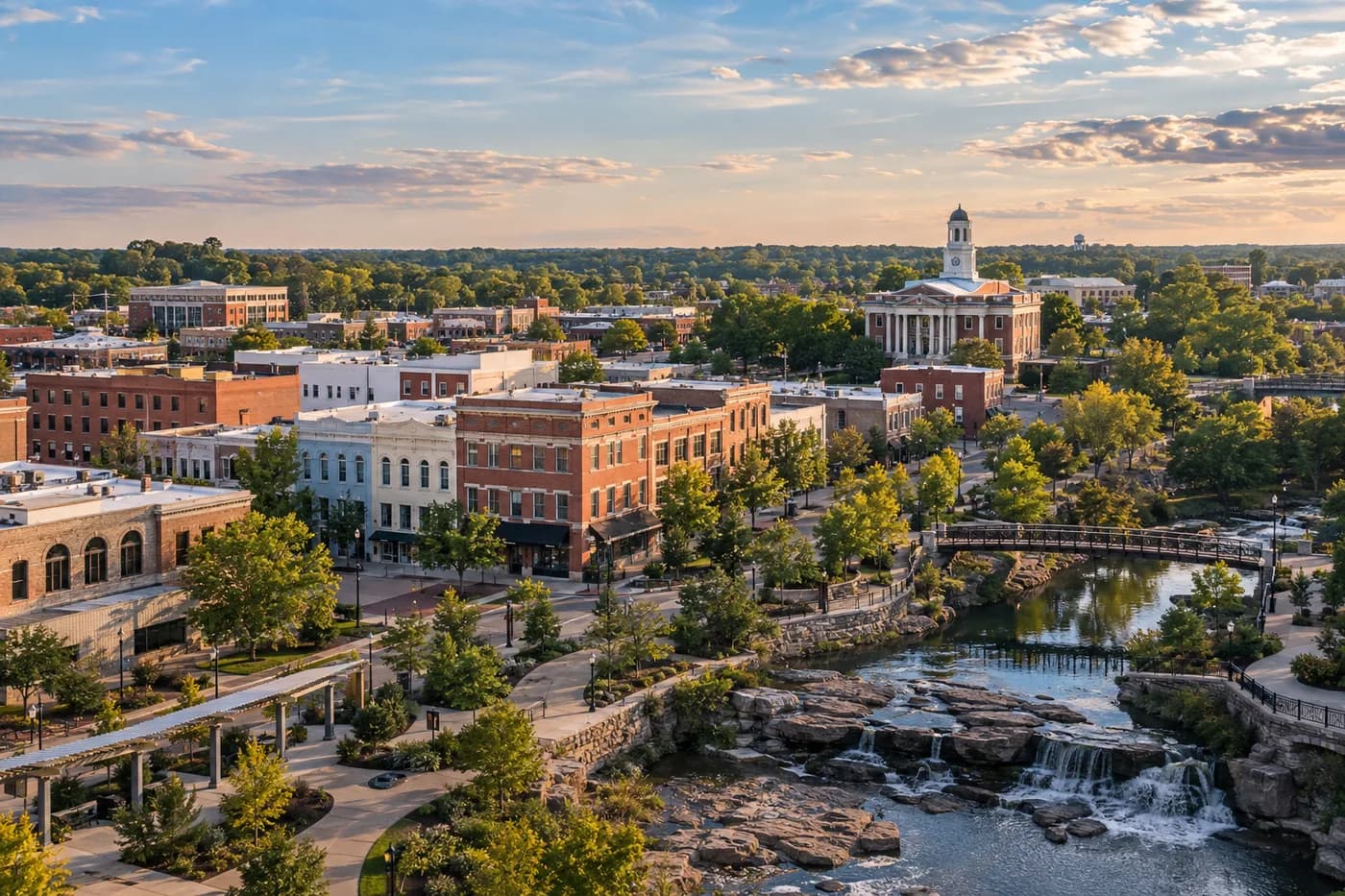
Humid Subtropical · suburban setting
Read the local guide →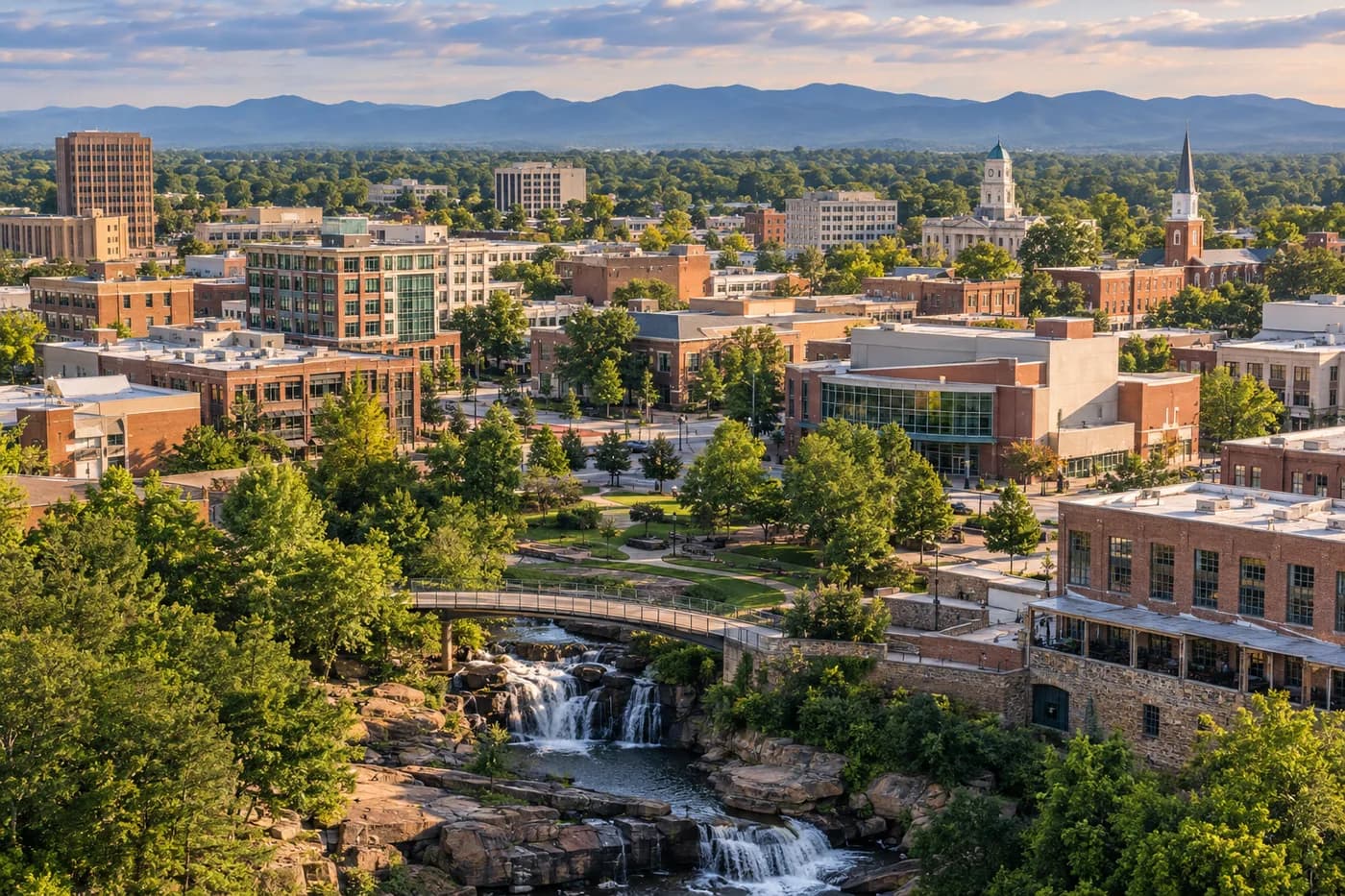
Humid Subtropical · suburban setting
Read the local guide →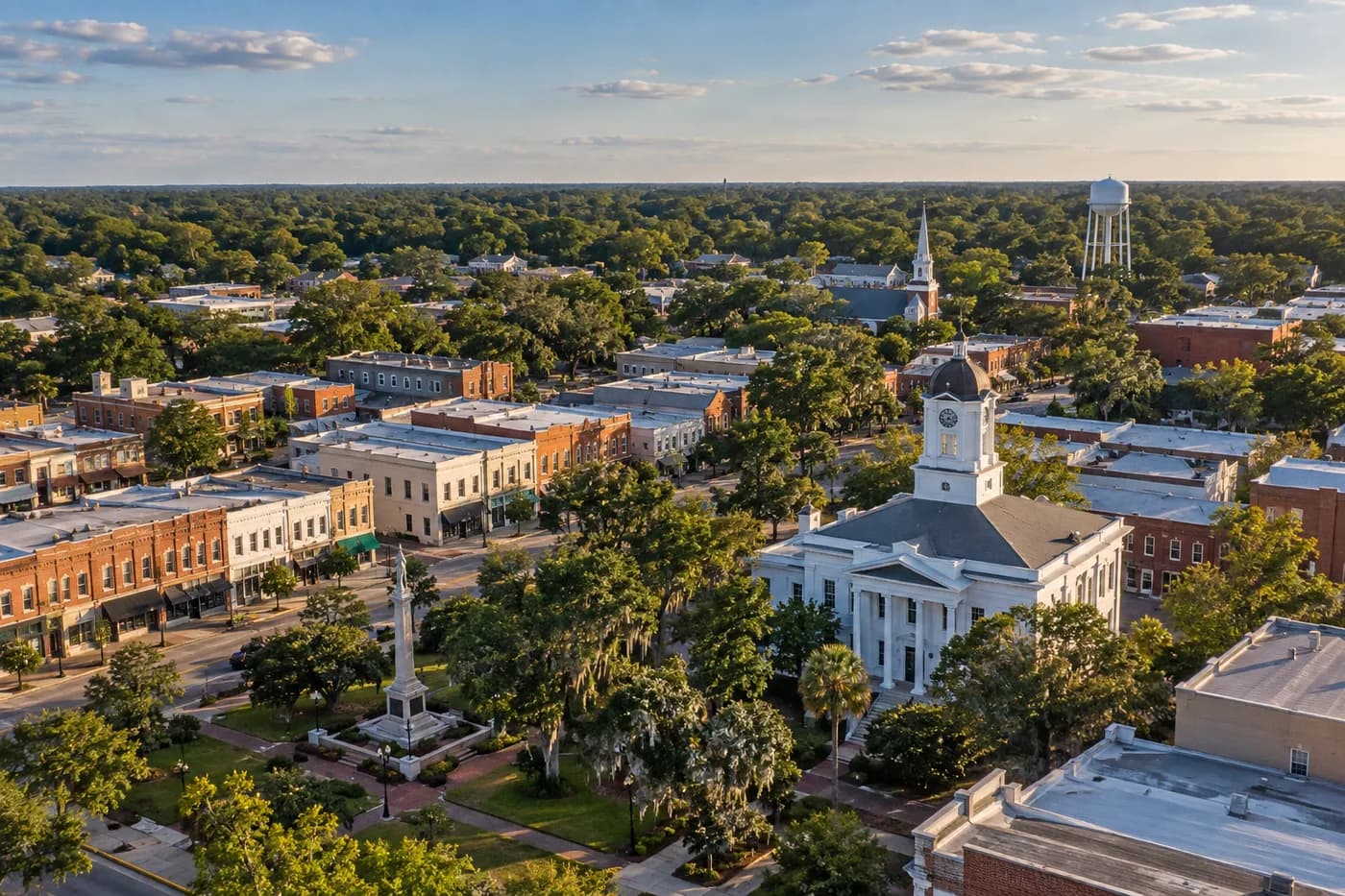
Humid Subtropical · suburban setting
Read the local guide →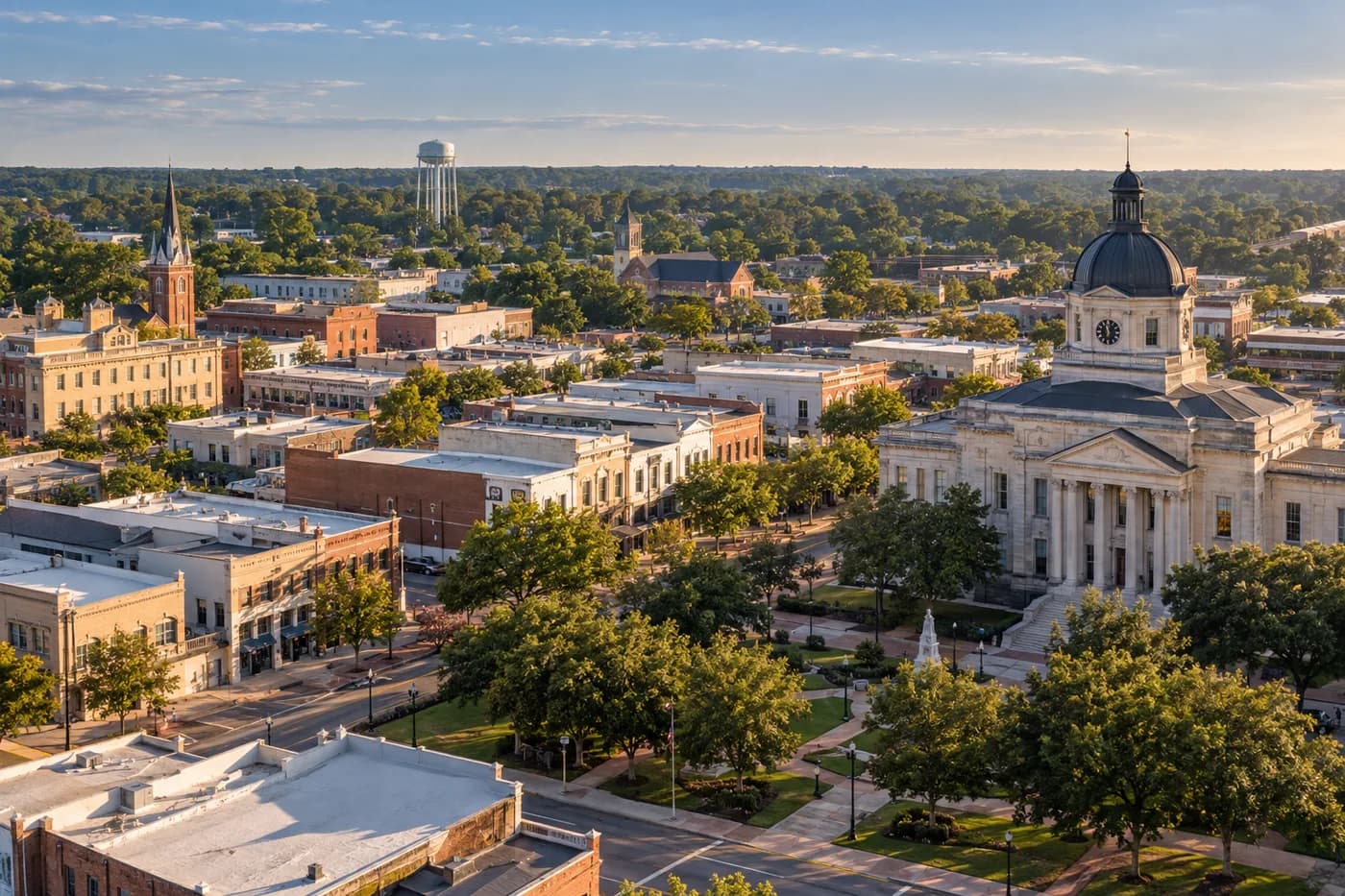
Humid Subtropical · suburban setting
Read the local guide →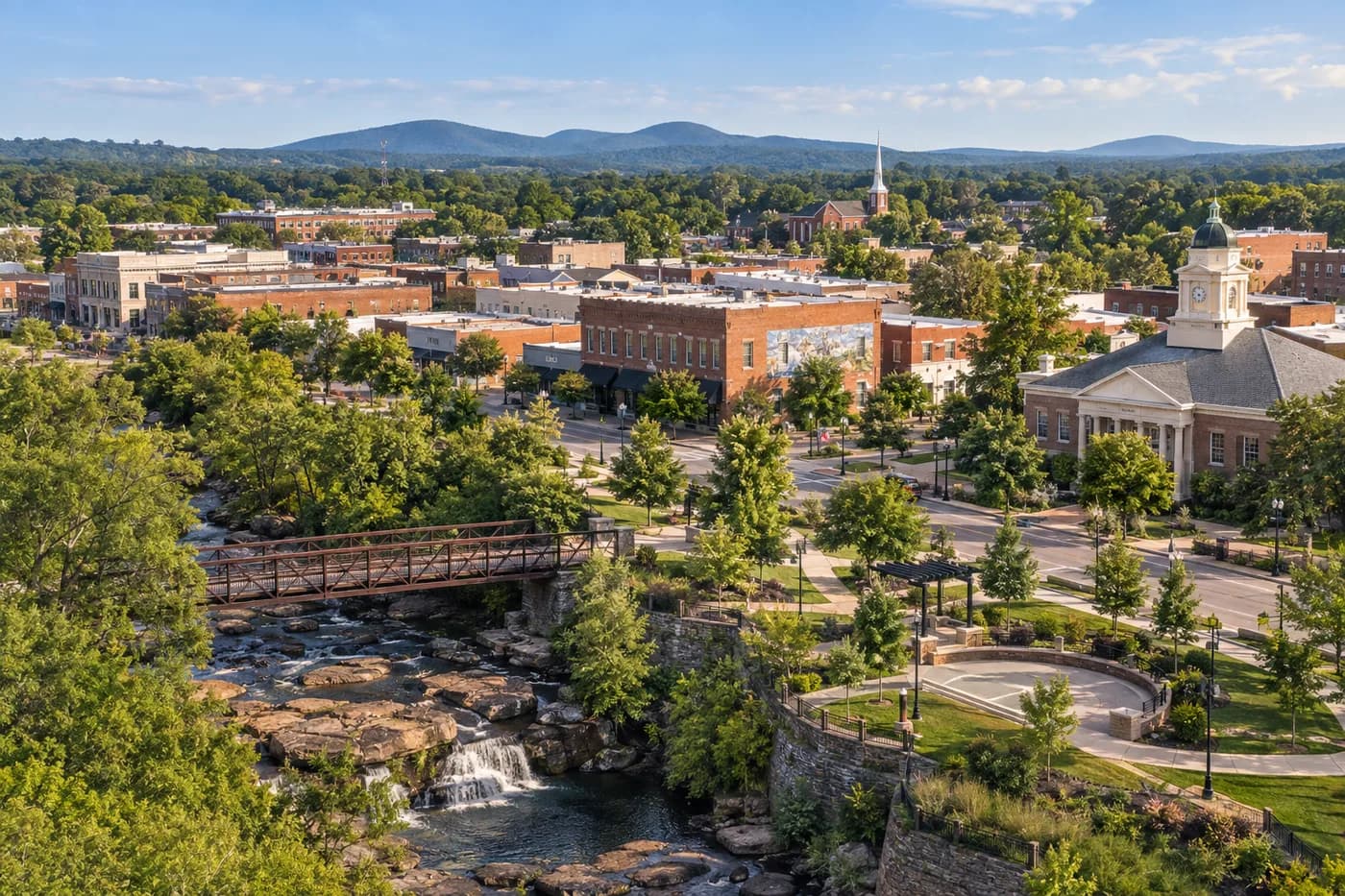
Humid Subtropical · suburban setting
Read the local guide →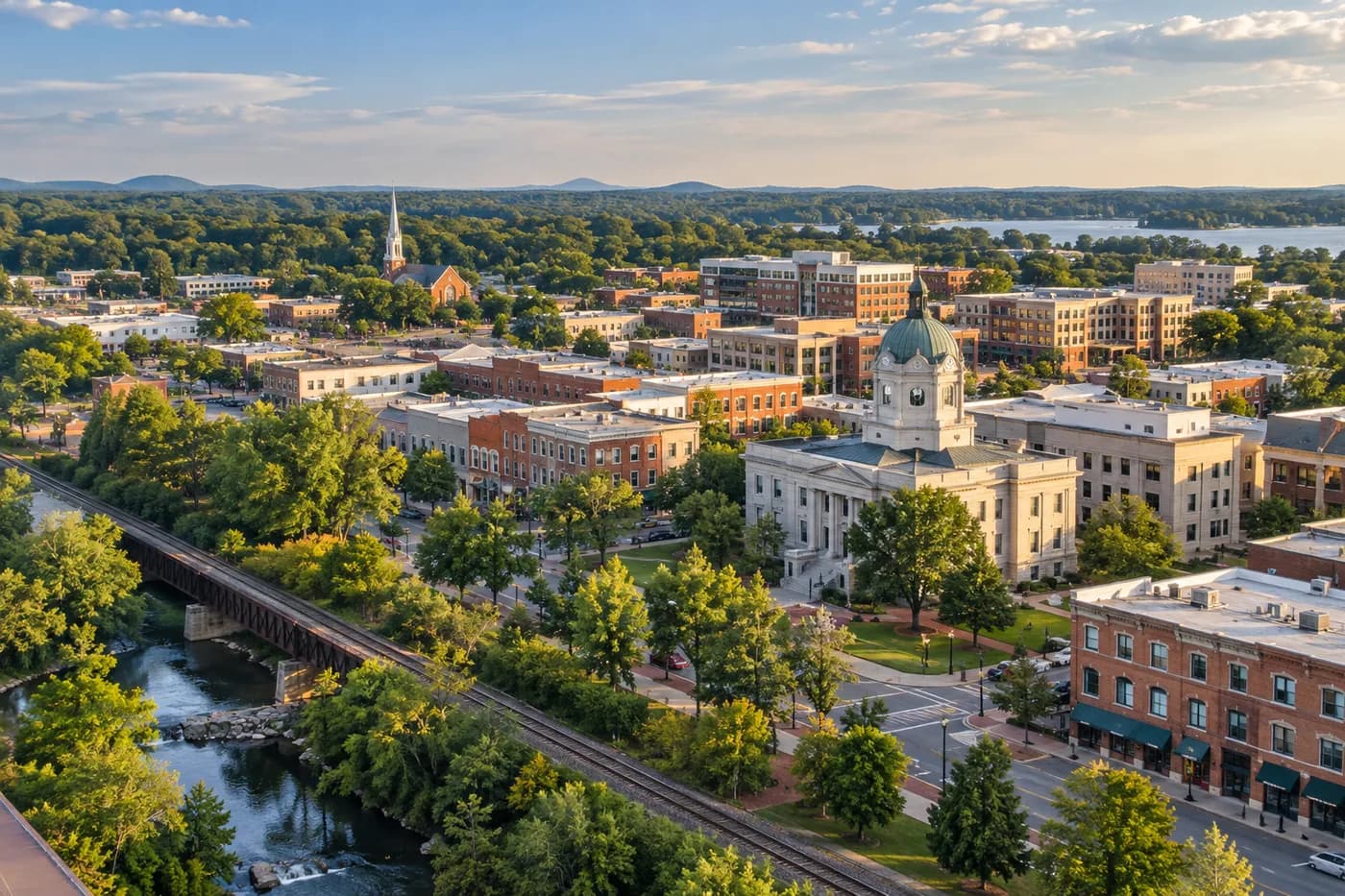
Humid Subtropical · rural setting
Read the local guide →