Around New Mexico
Conditions vary across the state. Choose your city below, then describe what’s happening around your home or business.
Local ant information
Learn what to look for around your property, explore your city, and ask about an inspection or a quote.
Conditions vary across the state. Choose your city below, then describe what’s happening around your home or business.
Look for the rooms and outdoor areas where you regularly notice ants. Food, water, and small openings are useful things to mention when asking for help.
Ask about an inspection, what treatment would involve, and whether follow-up visits are included. You don’t need to know the ant species before getting in touch.
Before you compare quotes, it helps to know which ants actually live in New Mexico, when they are busiest, and what the state figures look like. Everything below links to the agency or university page it came from.
Harvester ants swarm spring or summer after rain (Univ. of Arizona).
CDC/NIOSH notes fire ants have limited distribution in New Mexico; Texas A&M says fire ants spread west to eastern New Mexico (Dona Ana County), and UF/IFAS listed New Mexico among infested states as of 2008.
Sources: Imported Fire Ants; Odorous House Ant (Tapinoma sessile Say), EB1550E; Harvester Ants (Backyard Gardener #16). Figures are quoted as the source prints them. How we check our sources
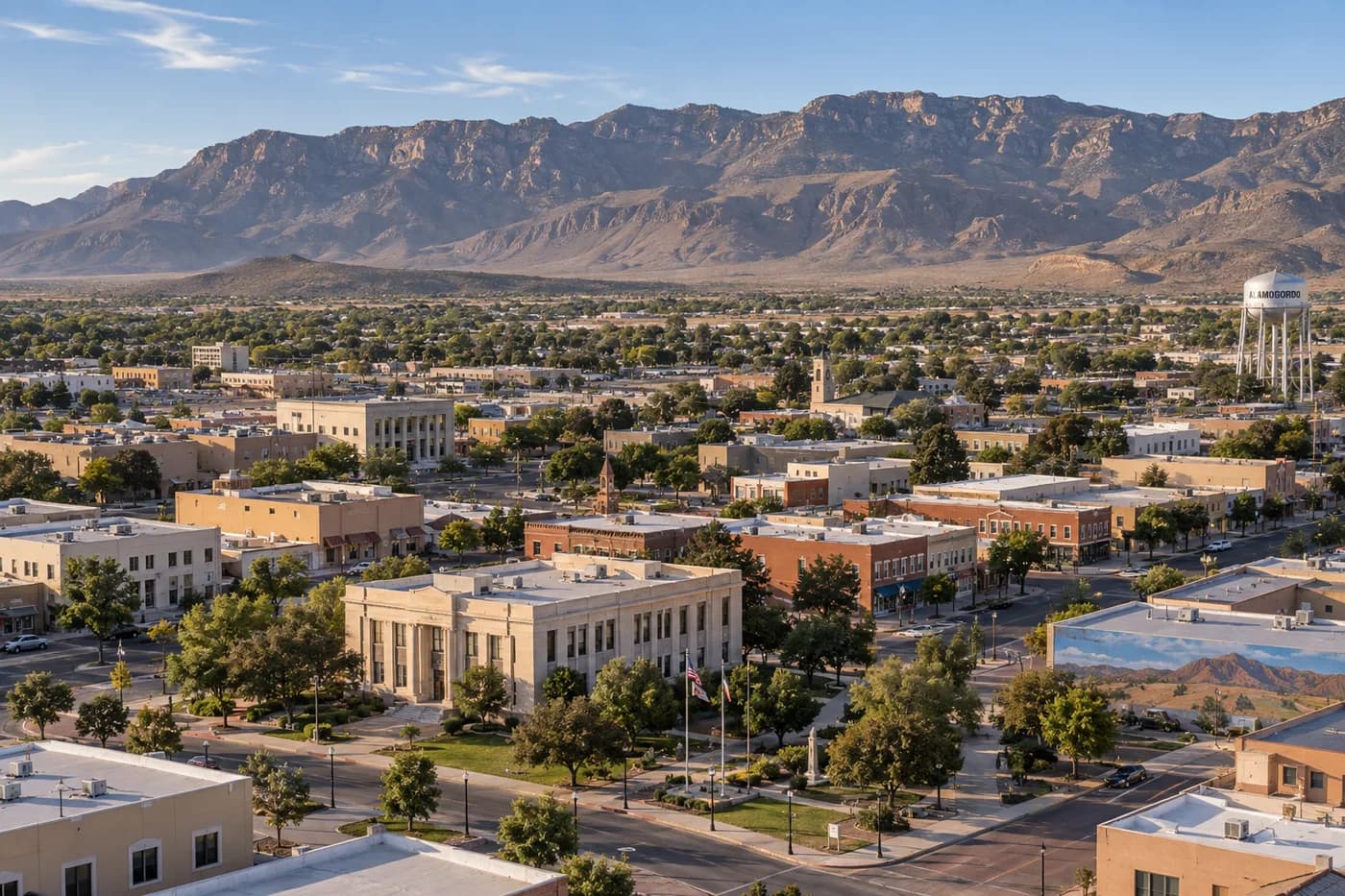
Semi-Arid · rural setting
Read the local guide →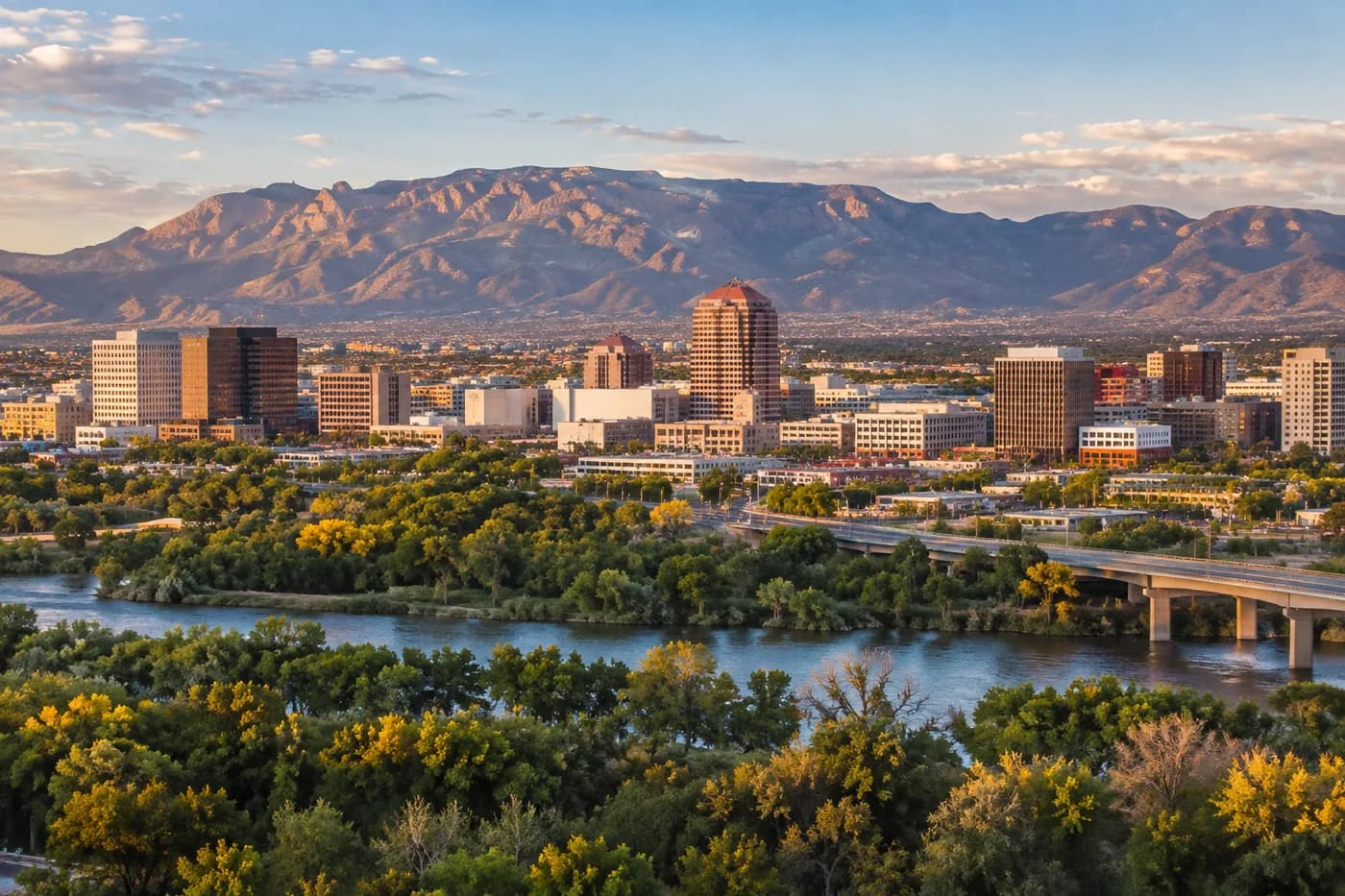
Semi-Arid · urban setting
Read the local guide →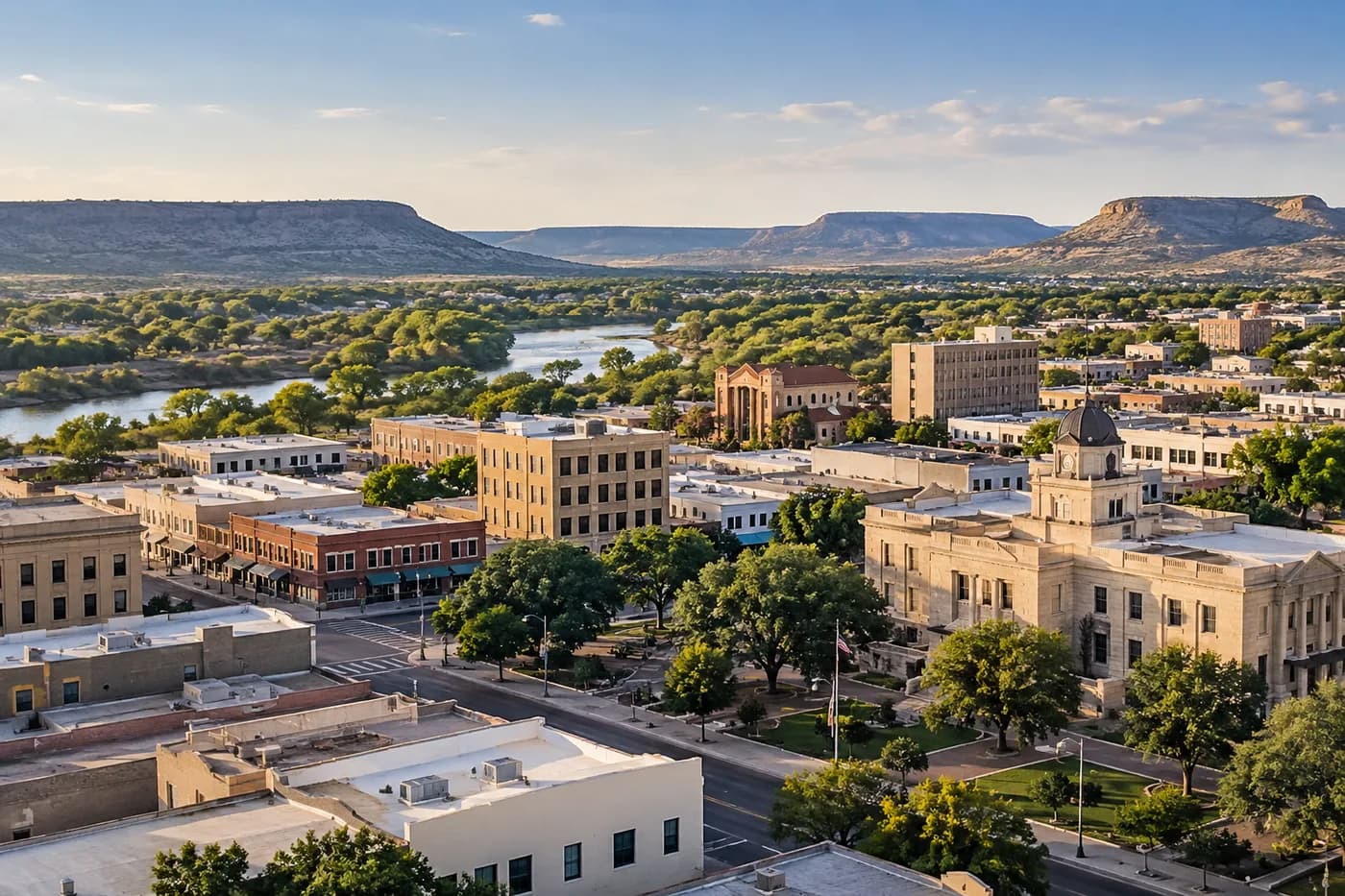
Semi-Arid · rural setting
Read the local guide →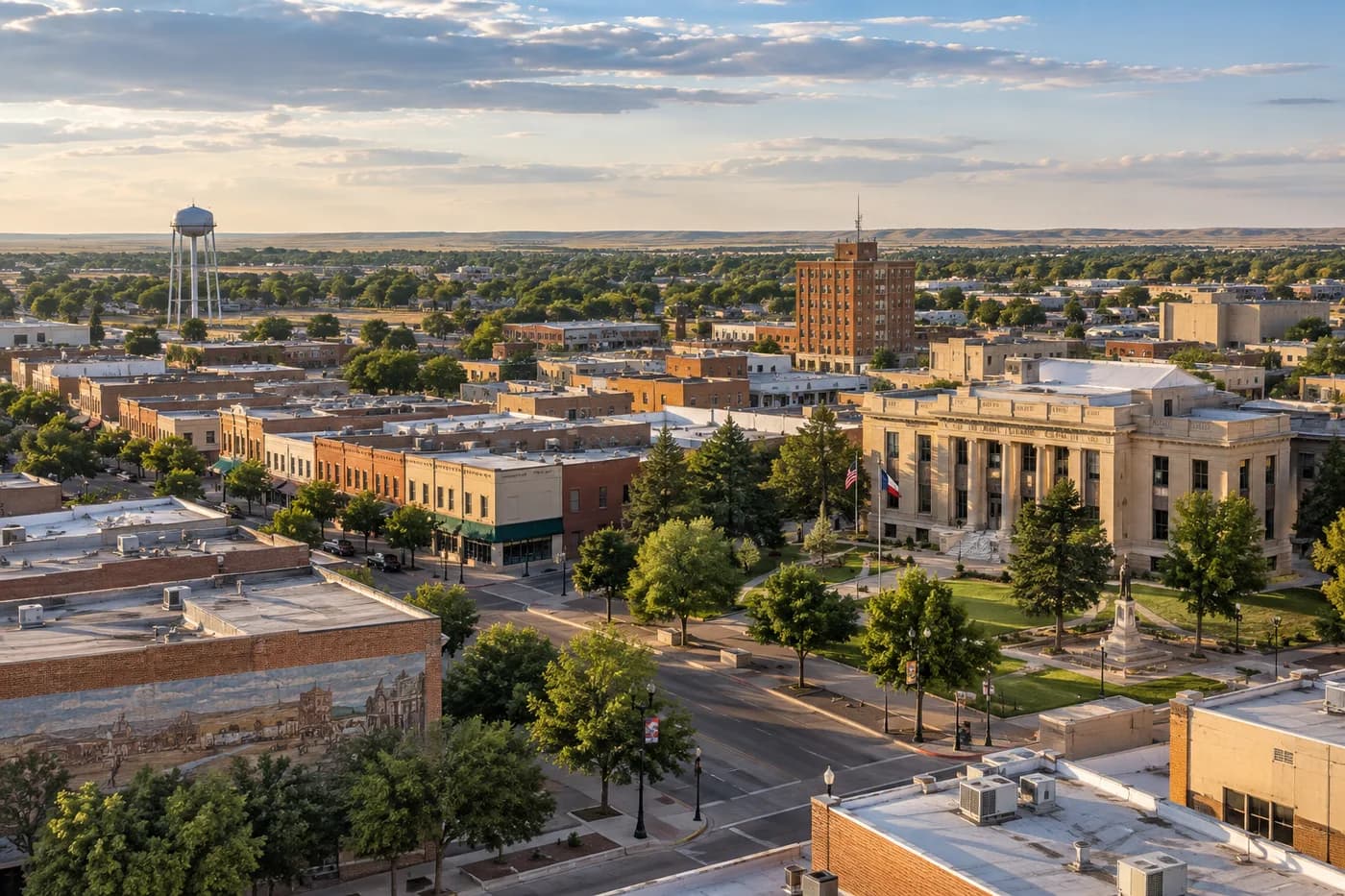
Semi-Arid · rural setting
Read the local guide →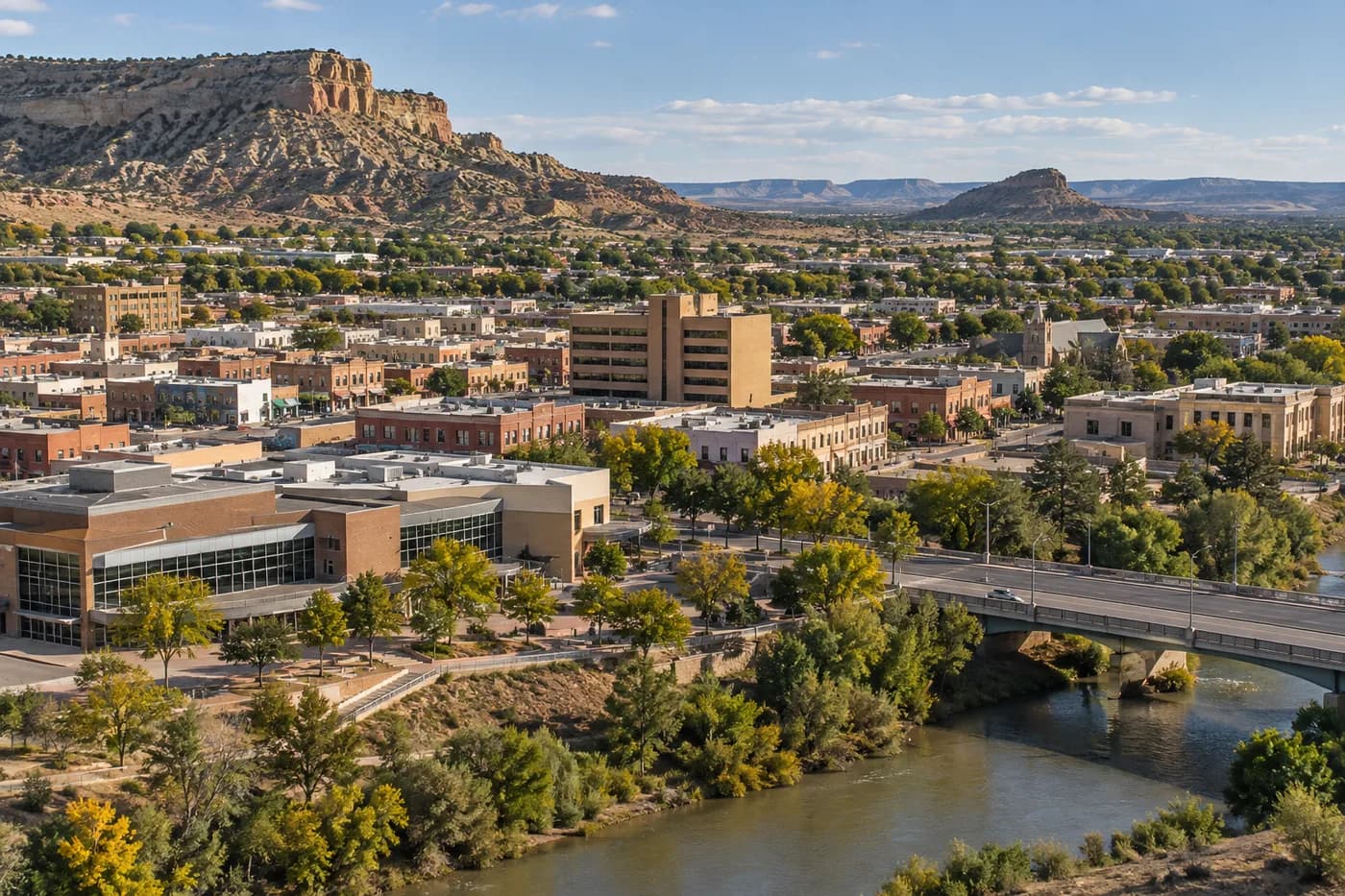
Semi-Arid · suburban setting
Read the local guide →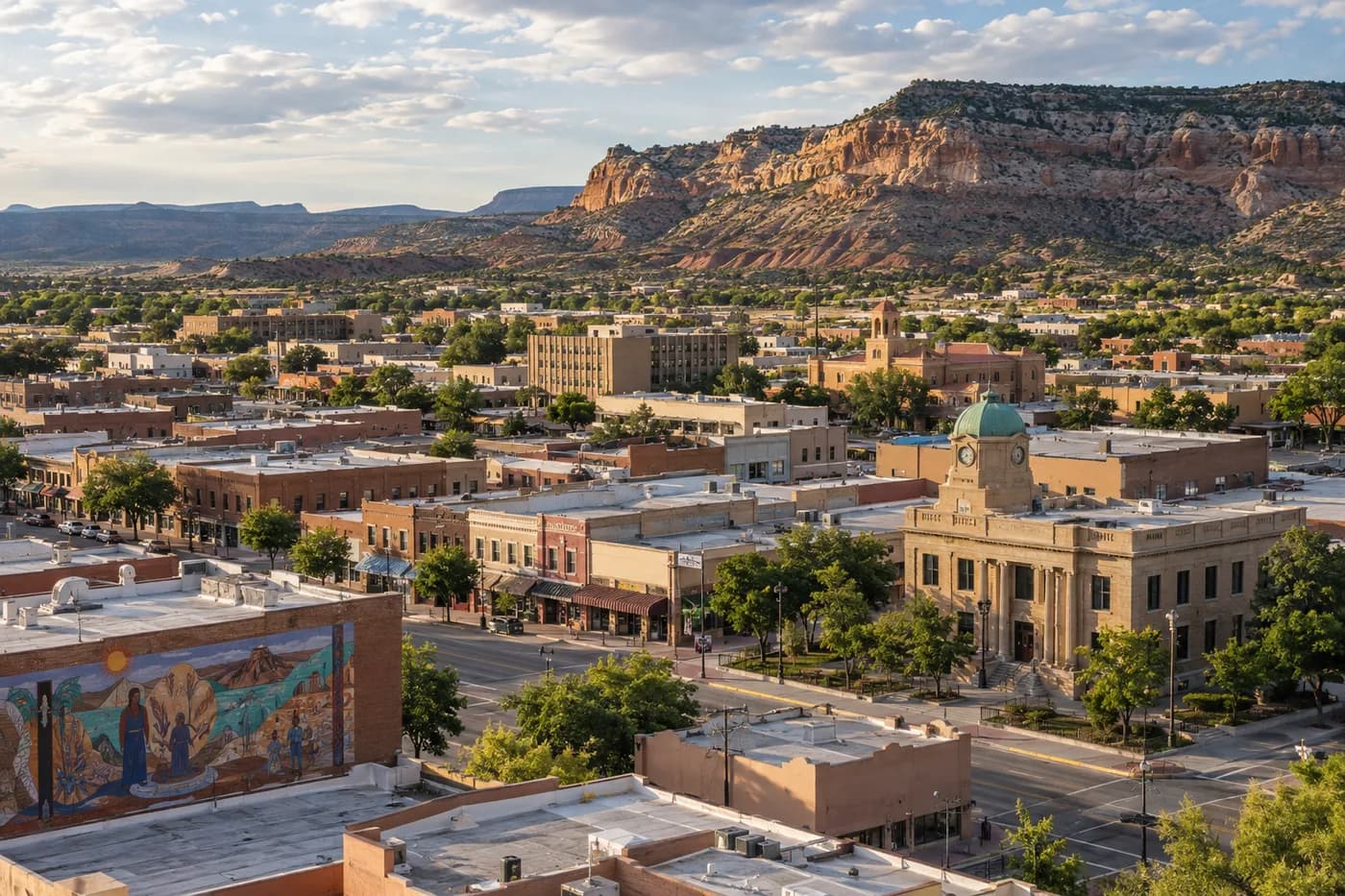
Semi-Arid · rural setting
Read the local guide →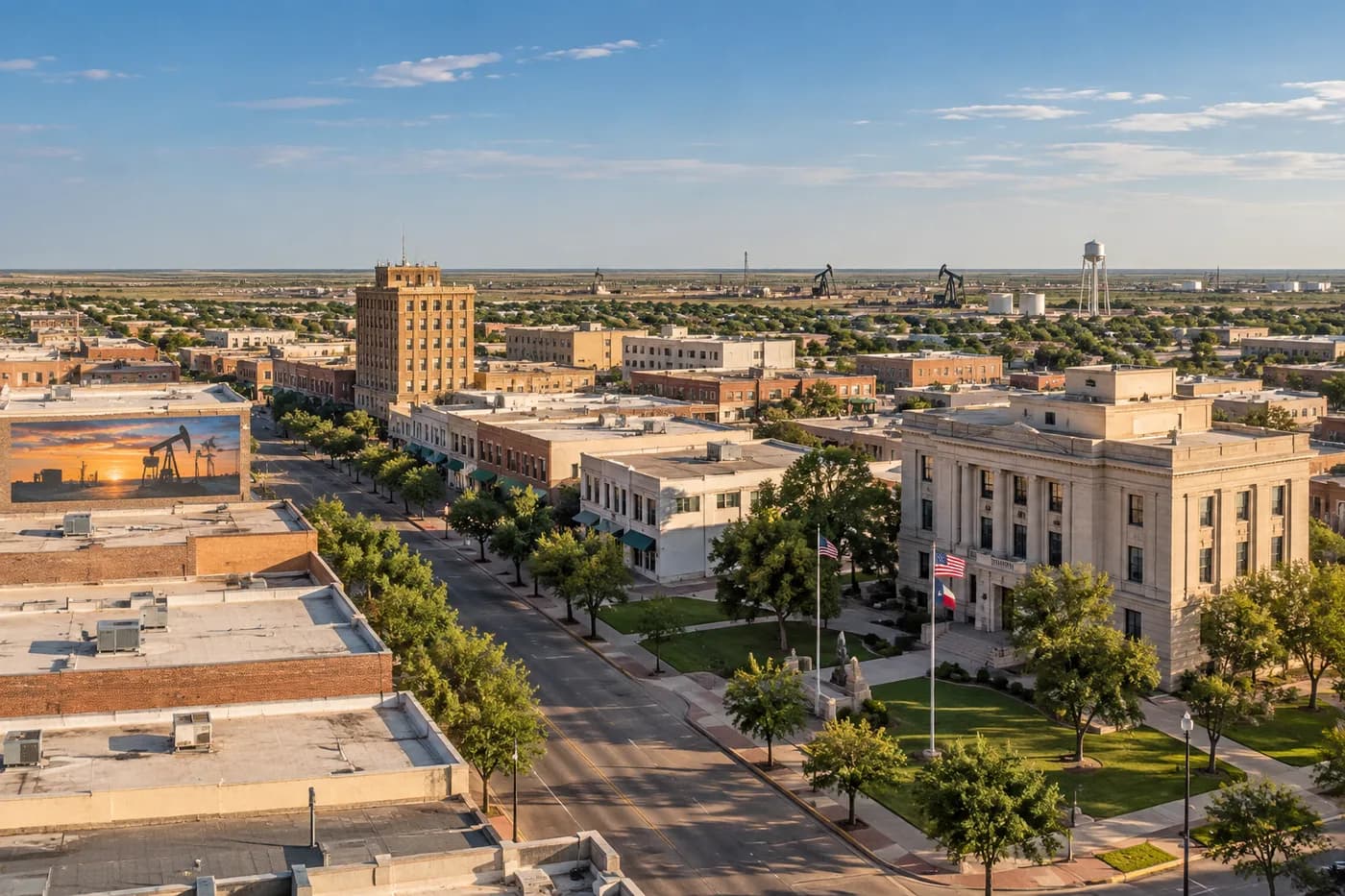
Semi-Arid · suburban setting
Read the local guide →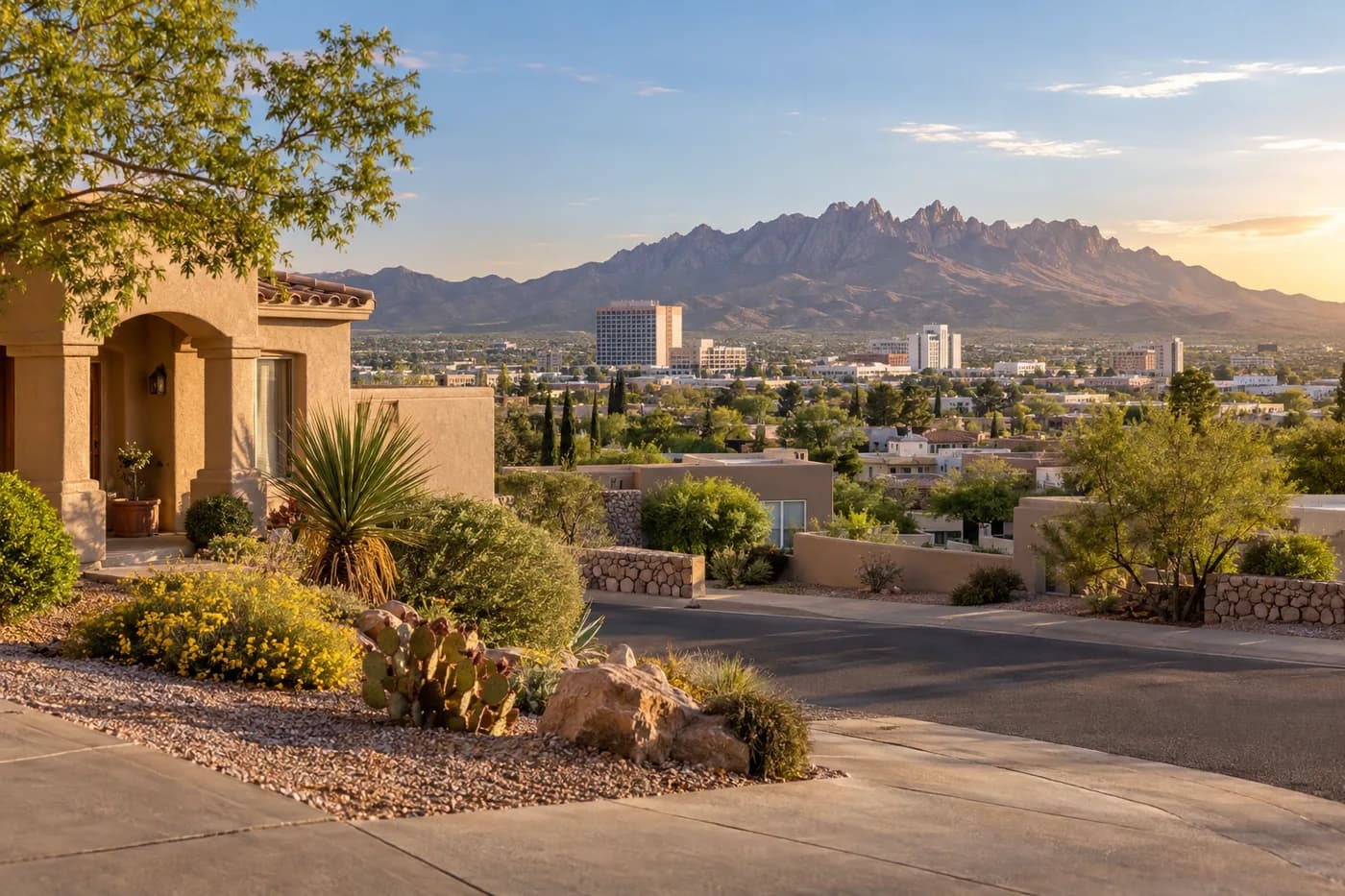
Semi-Arid · urban setting
Read the local guide →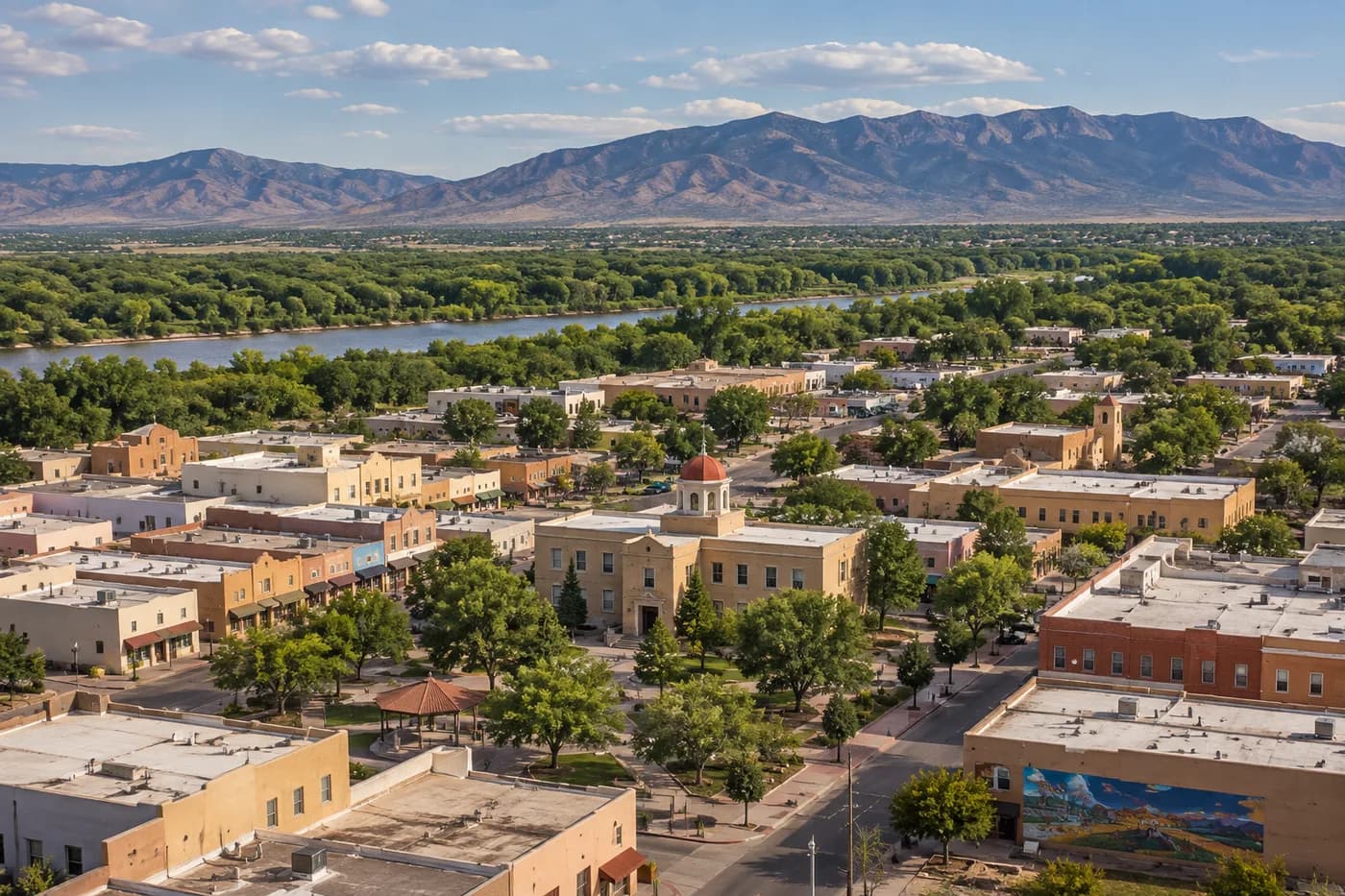
Semi-Arid · rural setting
Read the local guide →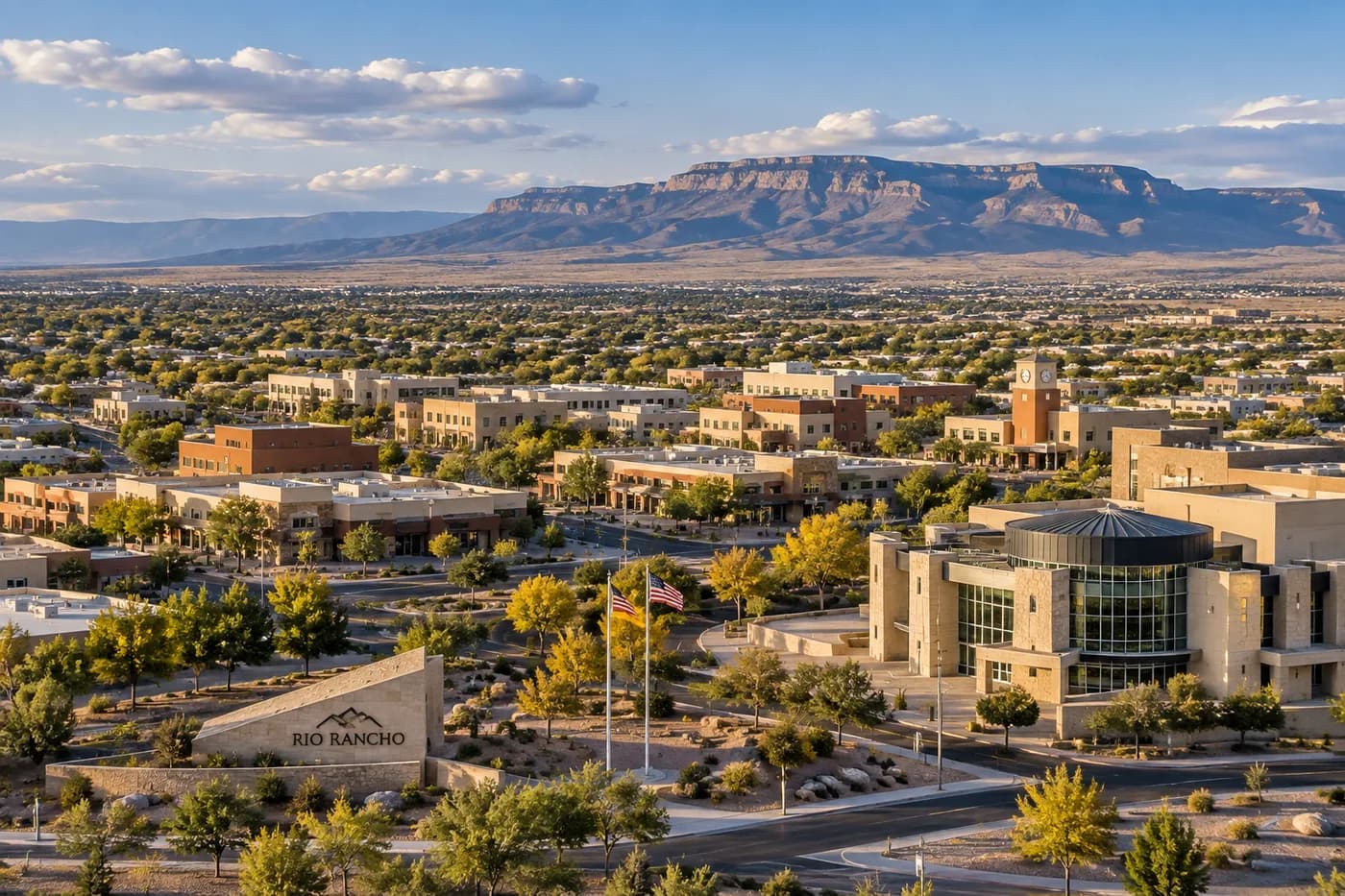
Semi-Arid · suburban setting
Read the local guide →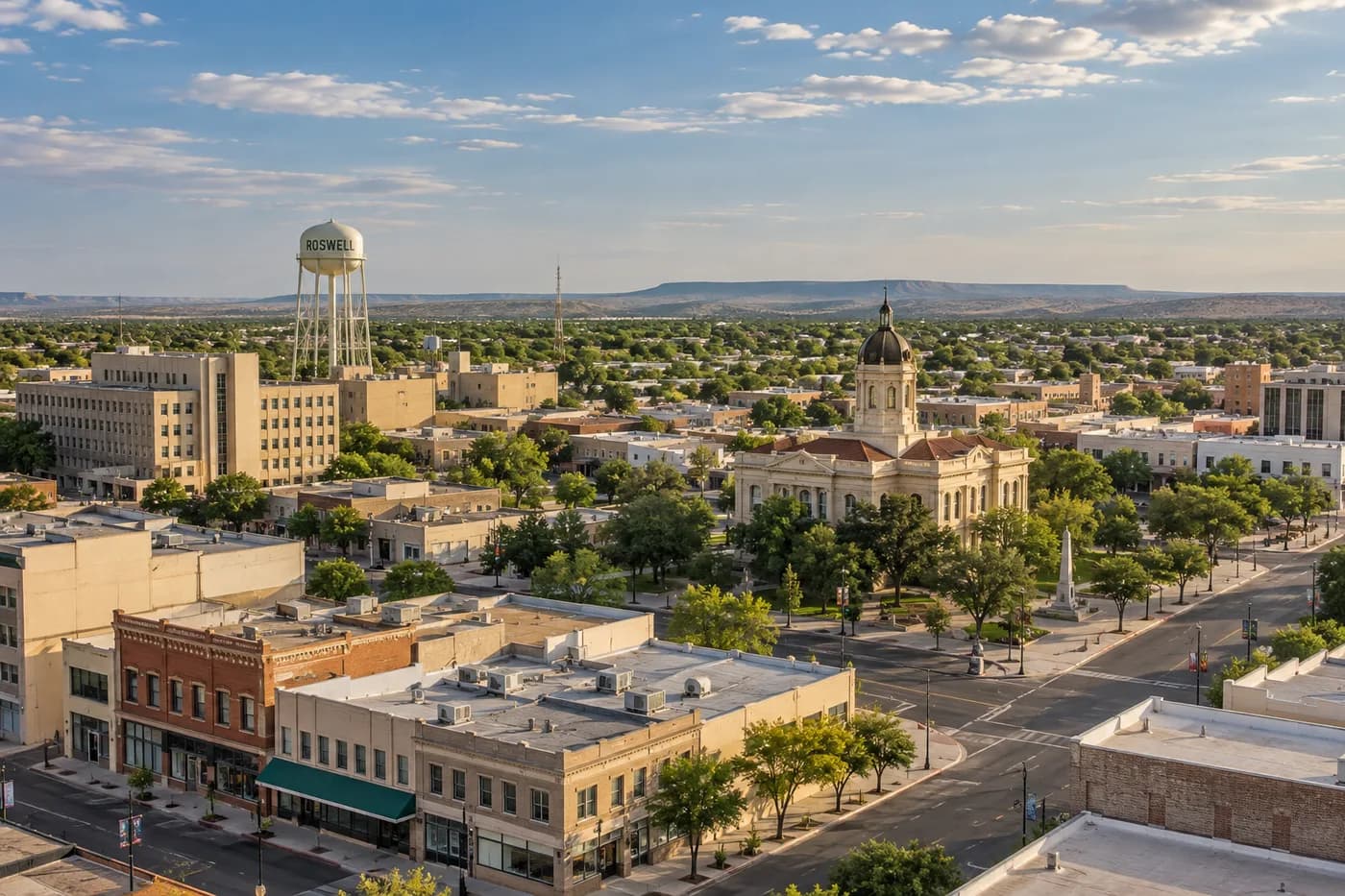
Semi-Arid · suburban setting
Read the local guide →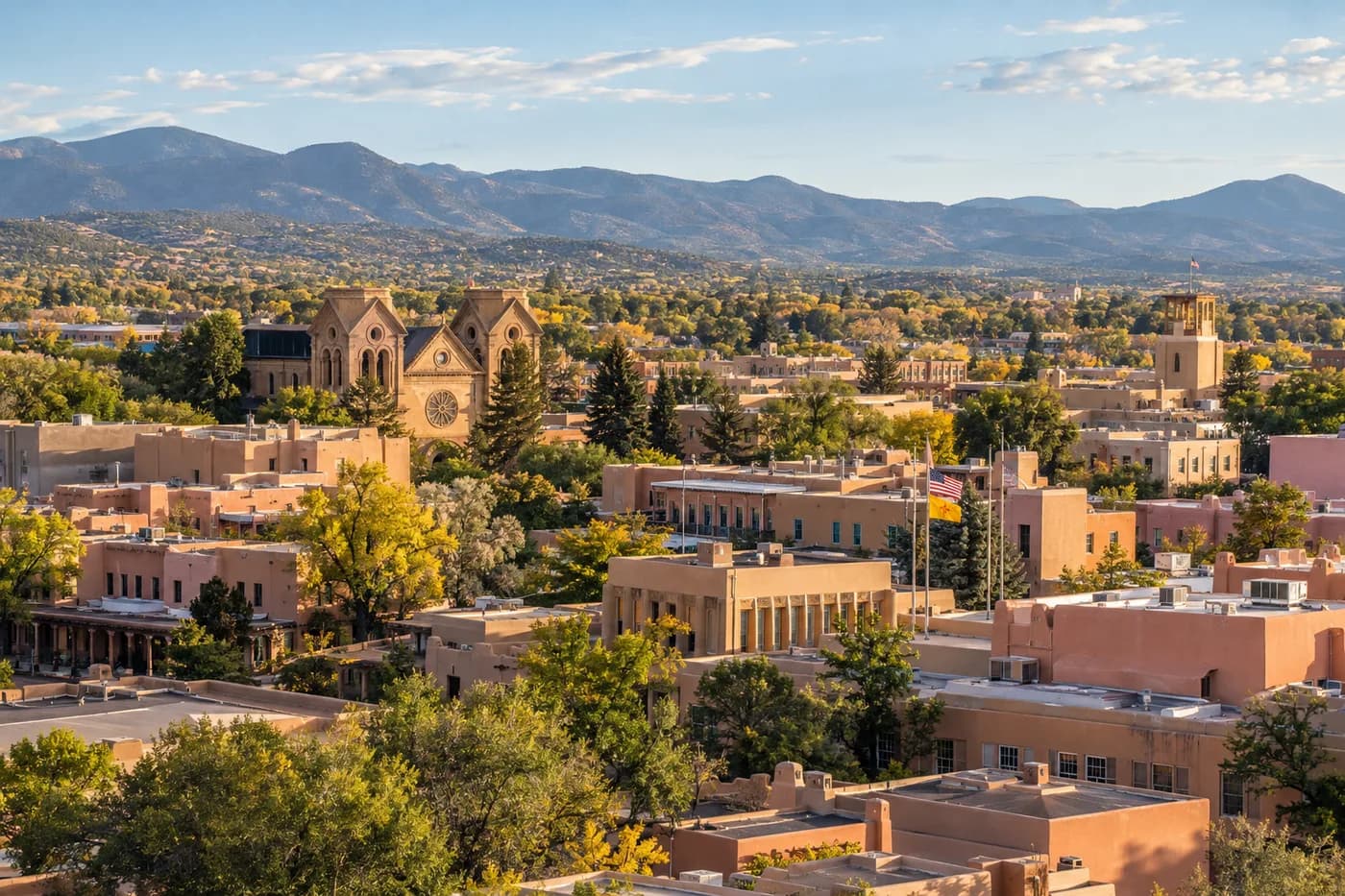
Semi-Arid · urban setting
Read the local guide →
Semi-Arid · rural setting
Read the local guide →