Desert valleys and high country
Phoenix and Tucson have desert conditions, while Flagstaff has cold winters and a higher-elevation climate. Your location helps frame the questions to ask about ant activity.
Local ant information
Learn what to look for around your property, explore your city, and ask about an inspection or a quote.
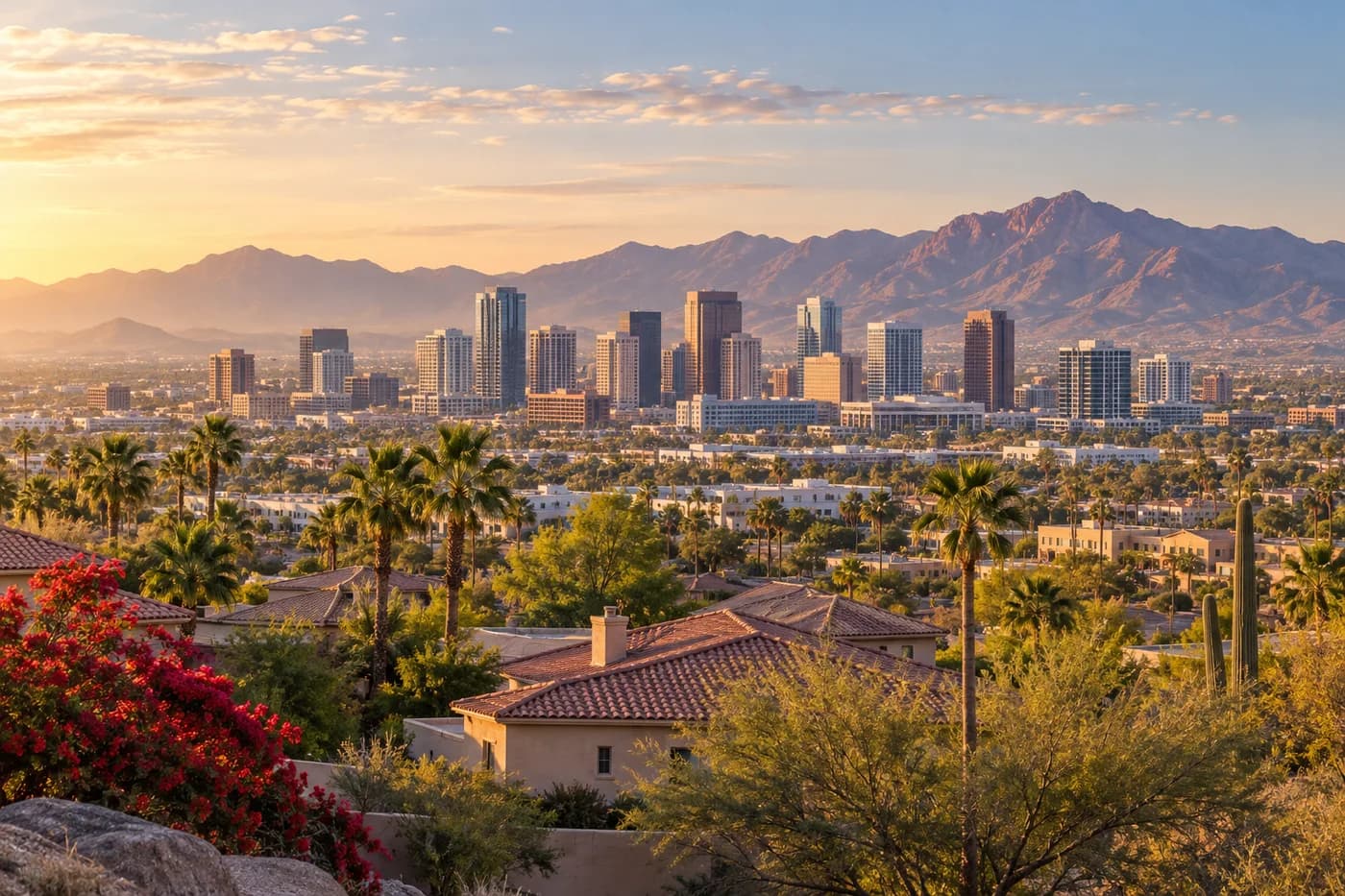
Phoenix and Tucson have desert conditions, while Flagstaff has cold winters and a higher-elevation climate. Your location helps frame the questions to ask about ant activity.
Arizona’s monsoon brings a seasonal change in rainfall. Harvester ants may swarm after rain in spring or summer. Note whether the activity started after a storm.
Arizona has harvester ants and native fire ants as well as ants that enter homes. Don’t assume every reddish ant is the same species. A photo can help start the conversation.
Learn more: University of Arizona ant guide · Arizona monsoon · Northern Arizona weather
Before you compare quotes, it helps to know which ants actually live in Arizona, when they are busiest, and what the state figures look like. Everything below links to the agency or university page it came from.
Large cleared circles in yards mark stinging harvester ant nests that may need treatment if near people or pets.
University of Arizona Cooperative Extension, Yavapai CountySeveral occur in Arizona; some have barbed stingers that pull out like a honey bee's.
University of Arizona Cooperative Extension, Yavapai CountyHarvester ants swarm in spring or summer, usually after a rainy period, and are least active during the hottest part of the day (Univ. of Arizona).
CDC/NIOSH notes fire ants have limited geographic distribution in Arizona. Univ. of Arizona recommends leaving harvester ant nests alone unless they threaten people or pets, and treating with hydramethylnon baits during midday heat.
Sources: Harvester Ants (Backyard Gardener #16); Imported Fire Ants; Odorous House Ant (Tapinoma sessile Say), EB1550E. Figures are quoted as the source prints them. How we check our sources
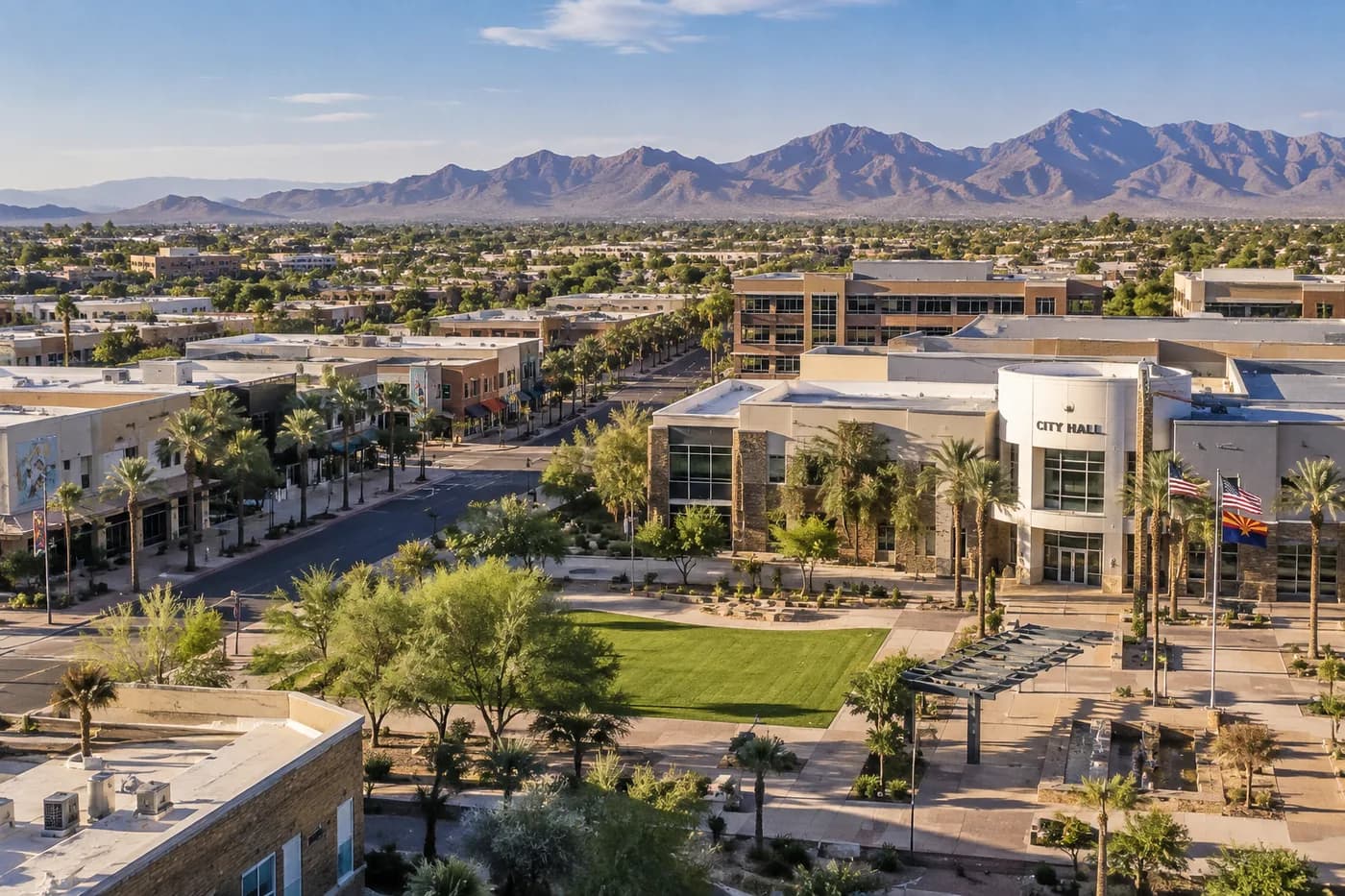
Hot Desert · suburban setting
Read the local guide →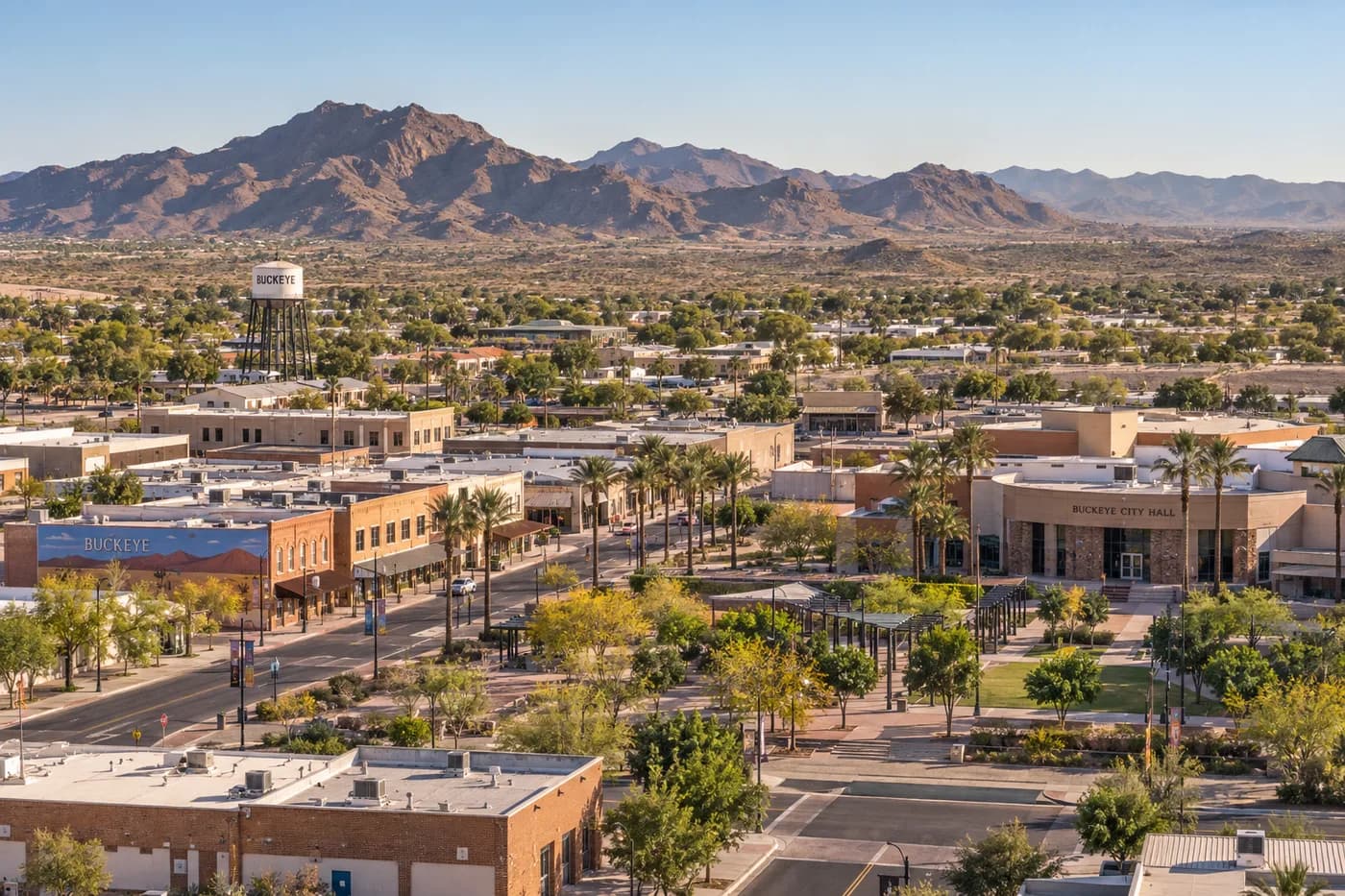
Hot Desert · suburban setting
Read the local guide →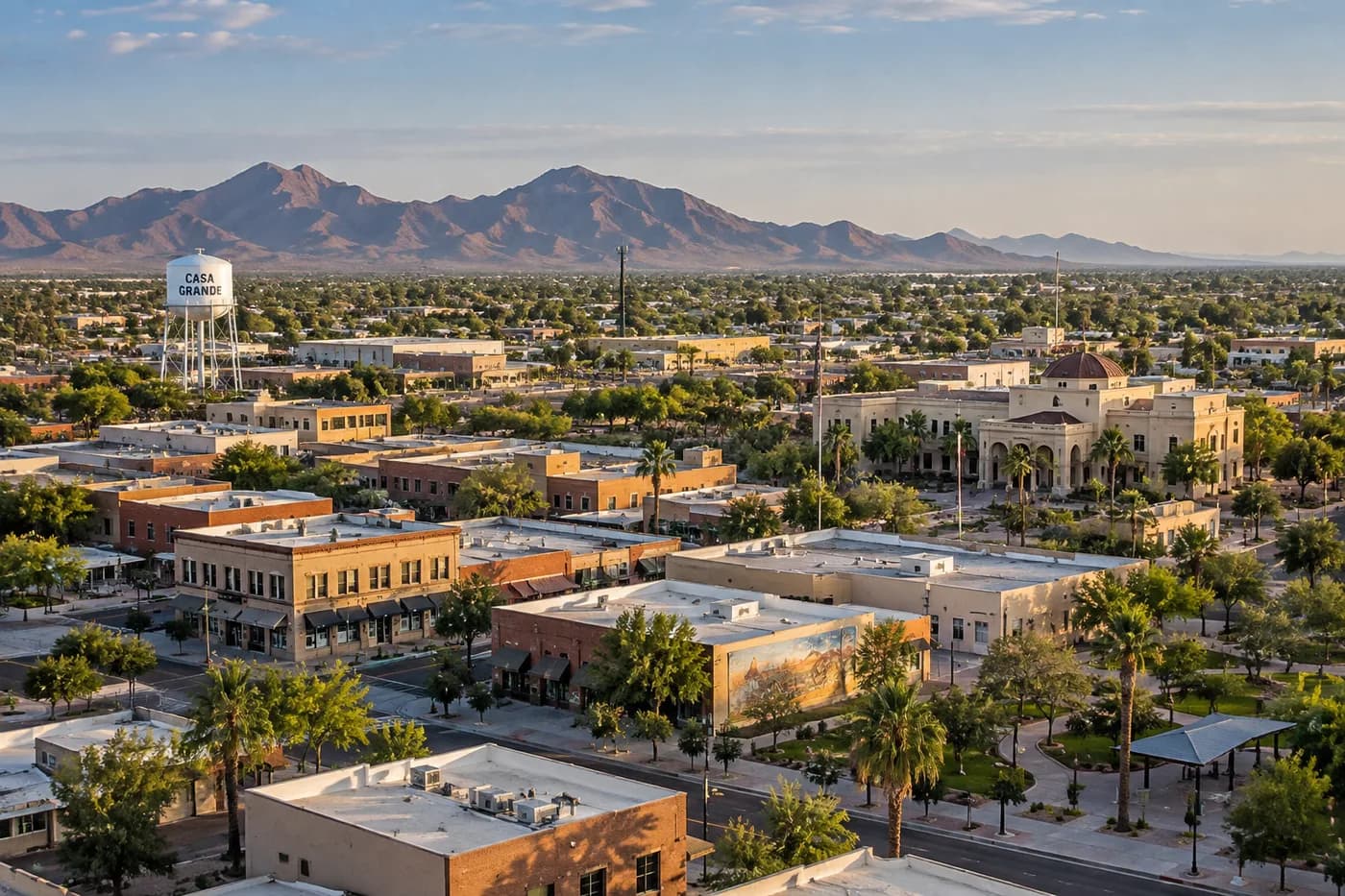
Hot Desert · suburban setting
Read the local guide →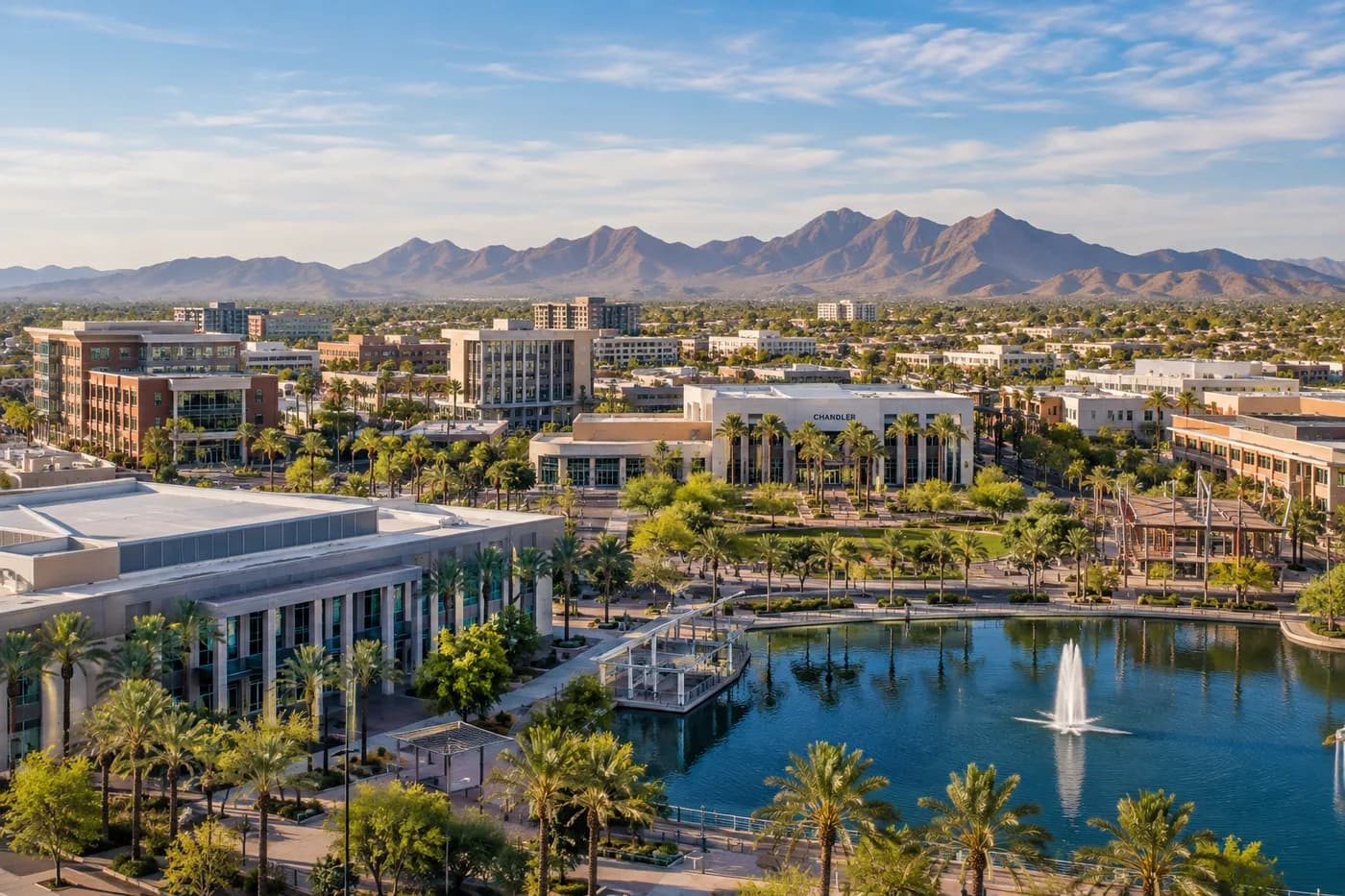
Hot Desert · urban setting
Read the local guide →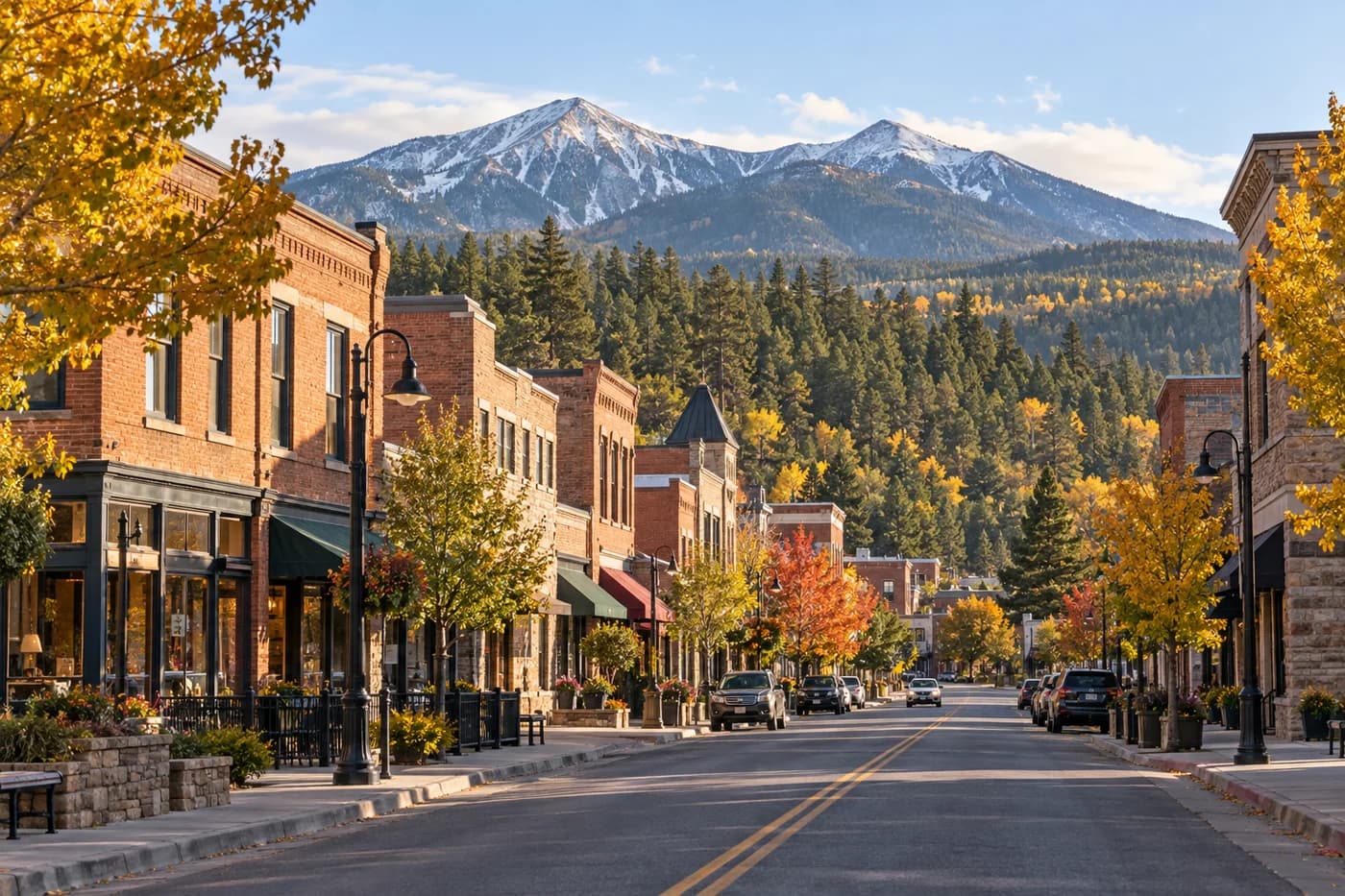
Mountain Semi-Arid · suburban setting
Read the local guide →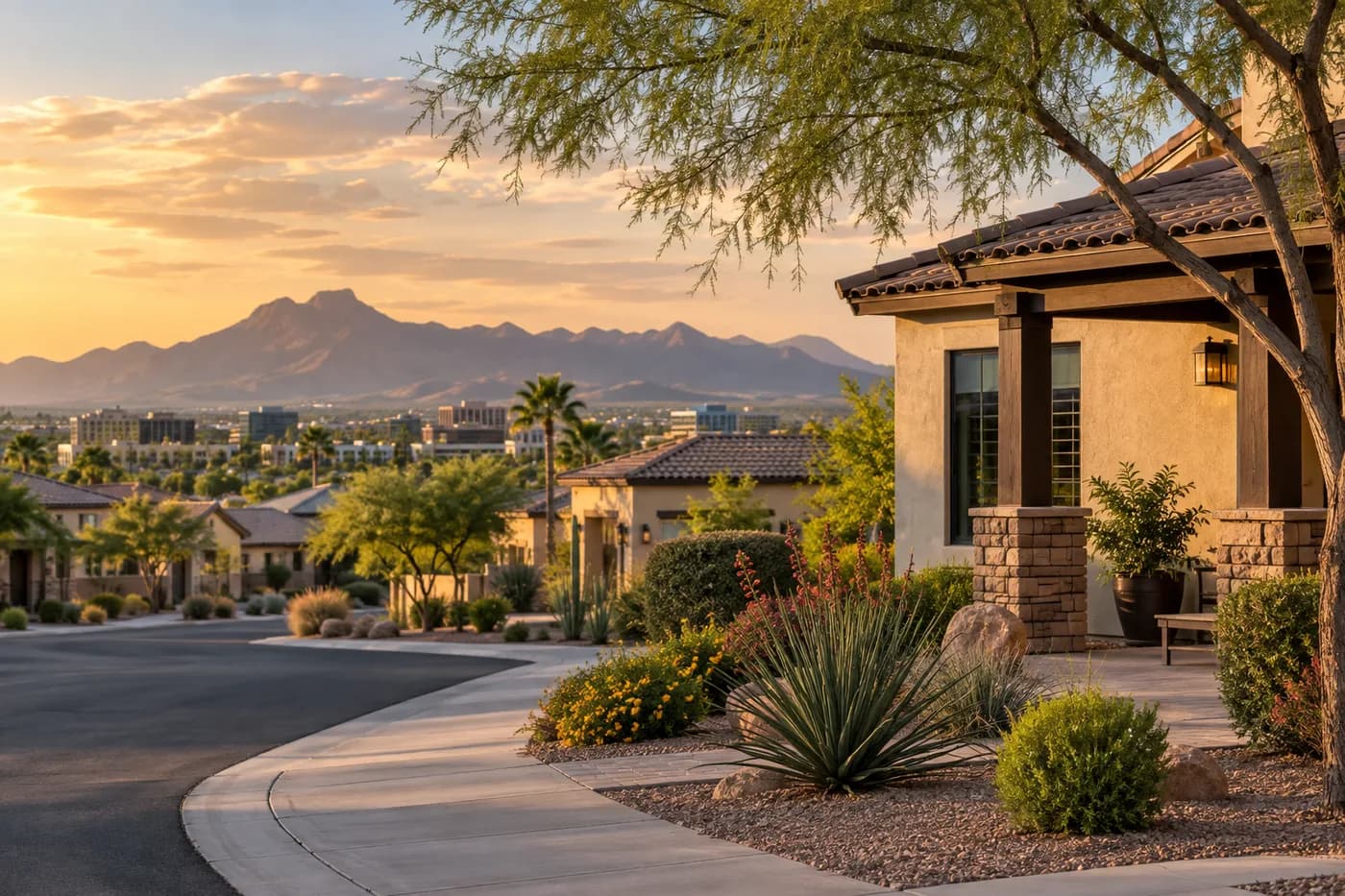
Hot Desert · suburban setting
Read the local guide →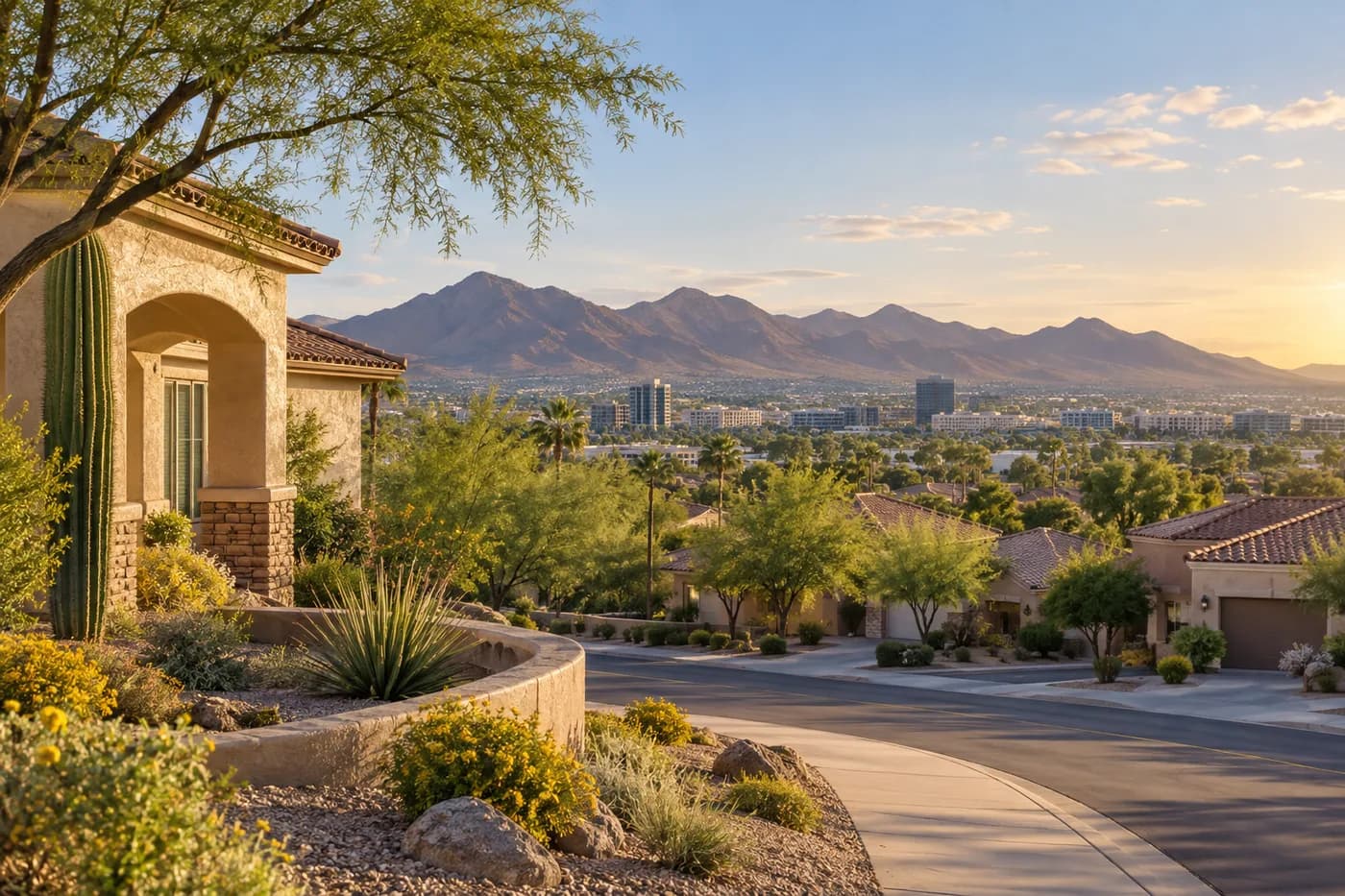
Hot Desert · urban setting
Read the local guide →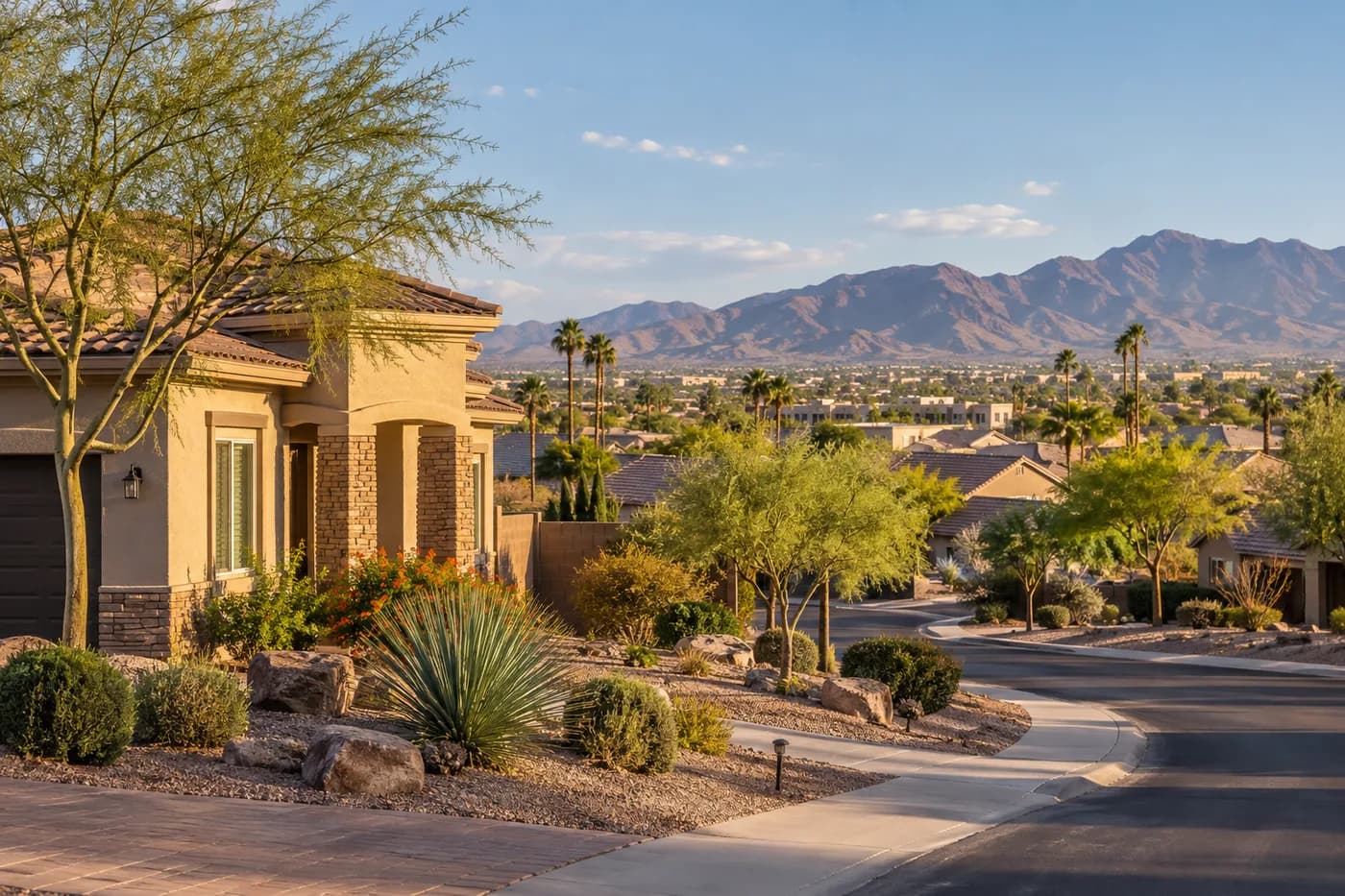
Hot Desert · suburban setting
Read the local guide →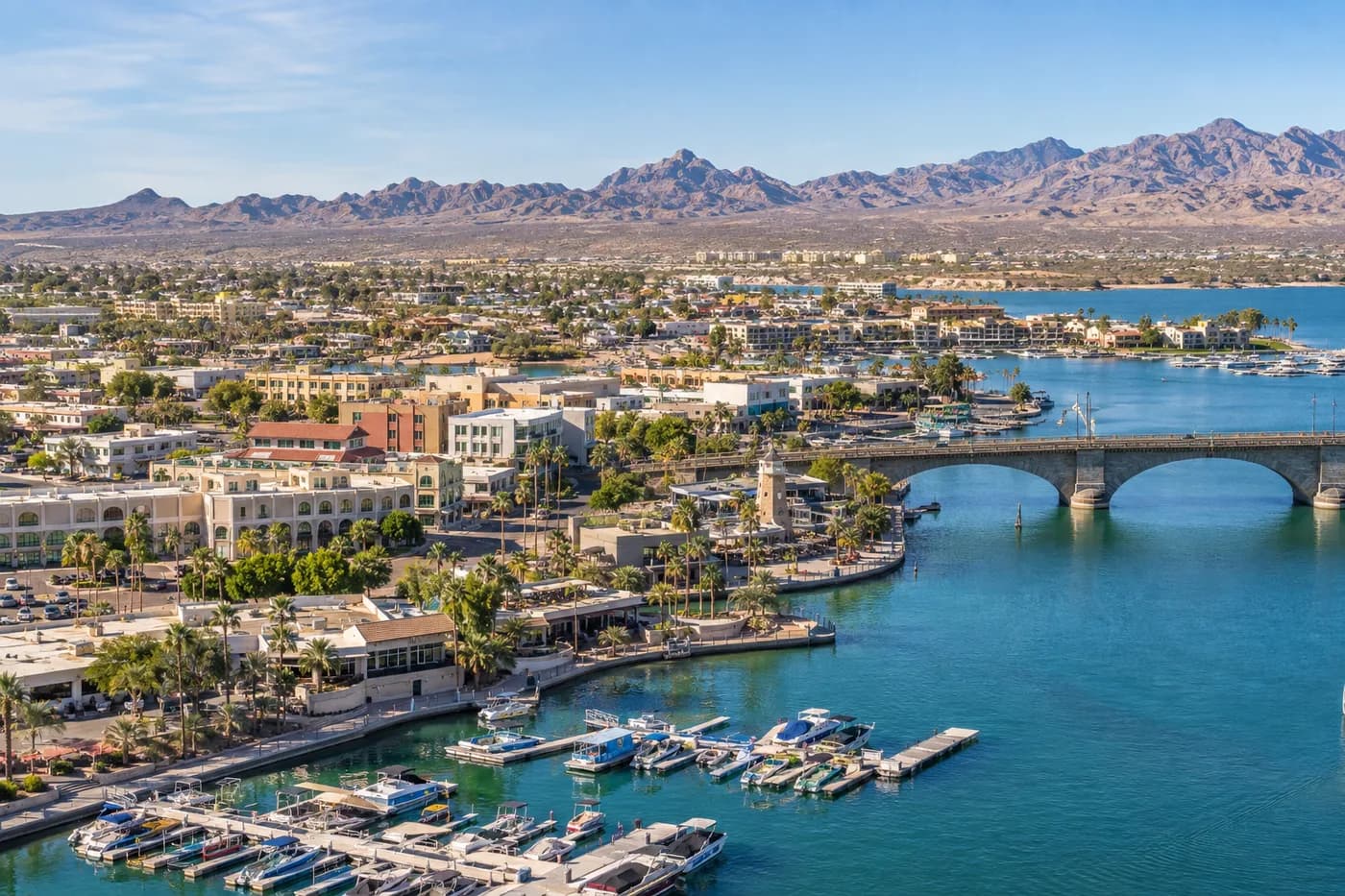
Hot Desert · suburban setting
Read the local guide →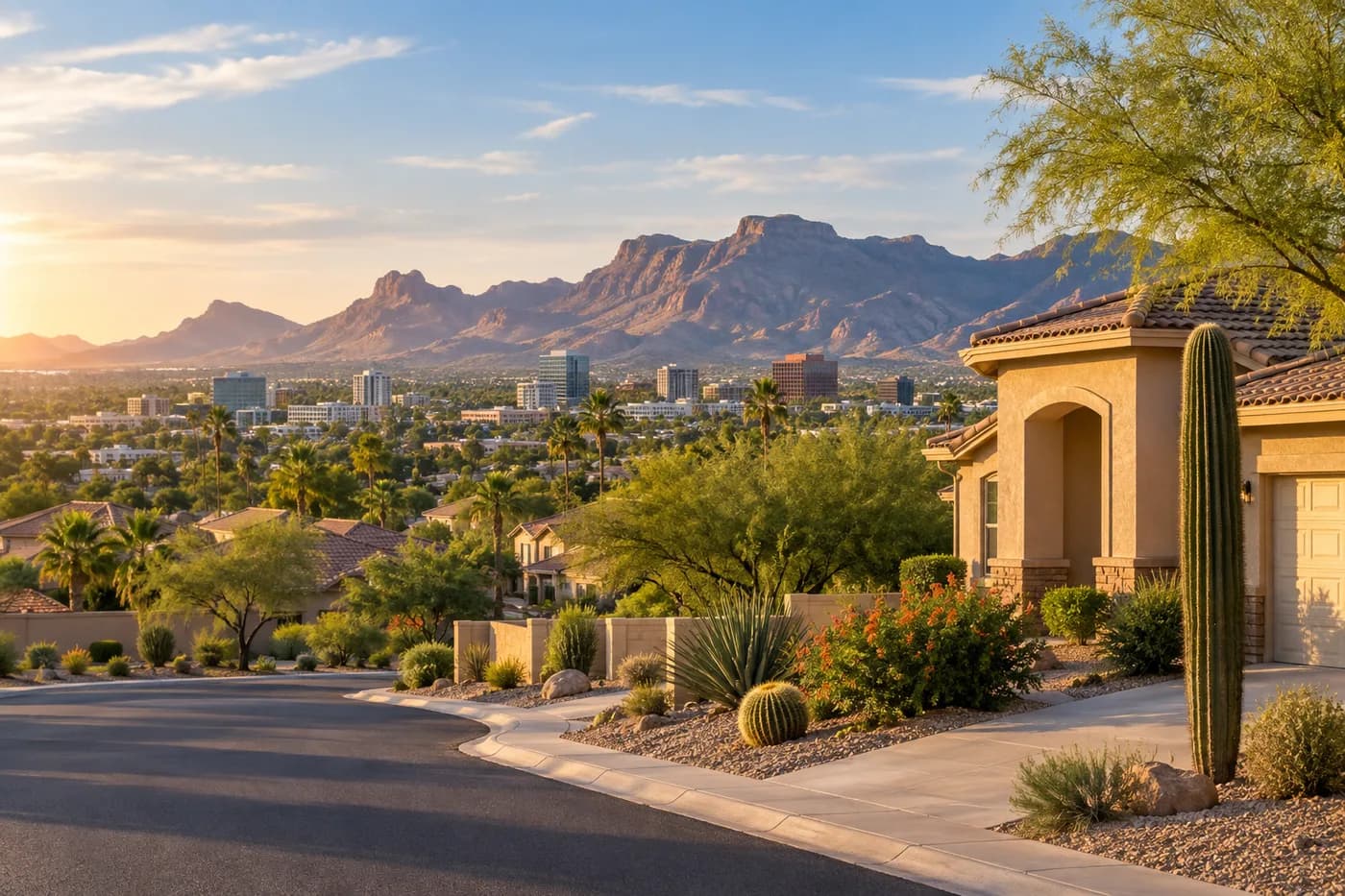
Hot Desert · urban setting
Read the local guide →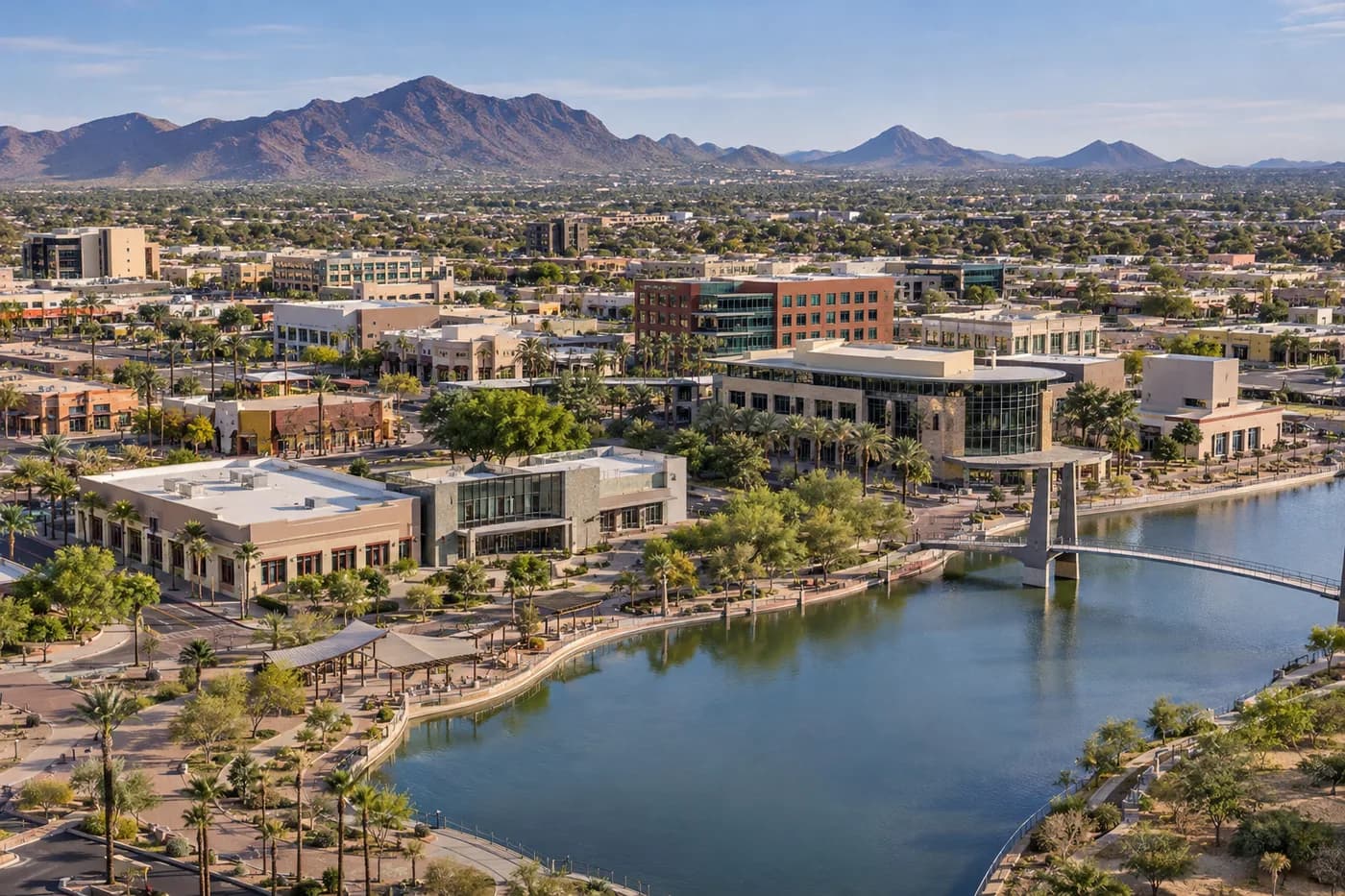
Hot Desert · suburban setting
Read the local guide →Hot Desert · urban setting
Read the local guide →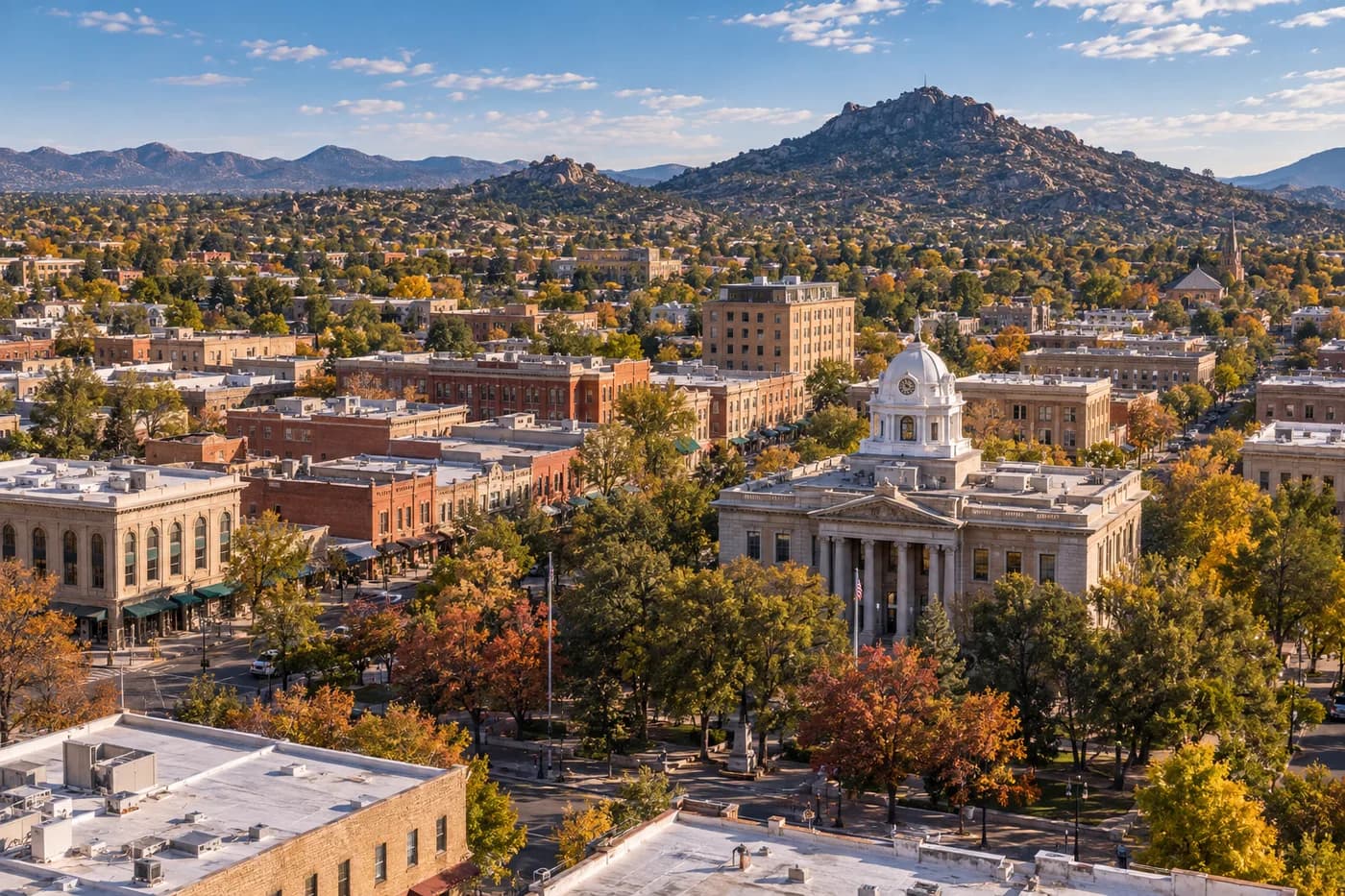
Mountain Semi-Arid · suburban setting
Read the local guide →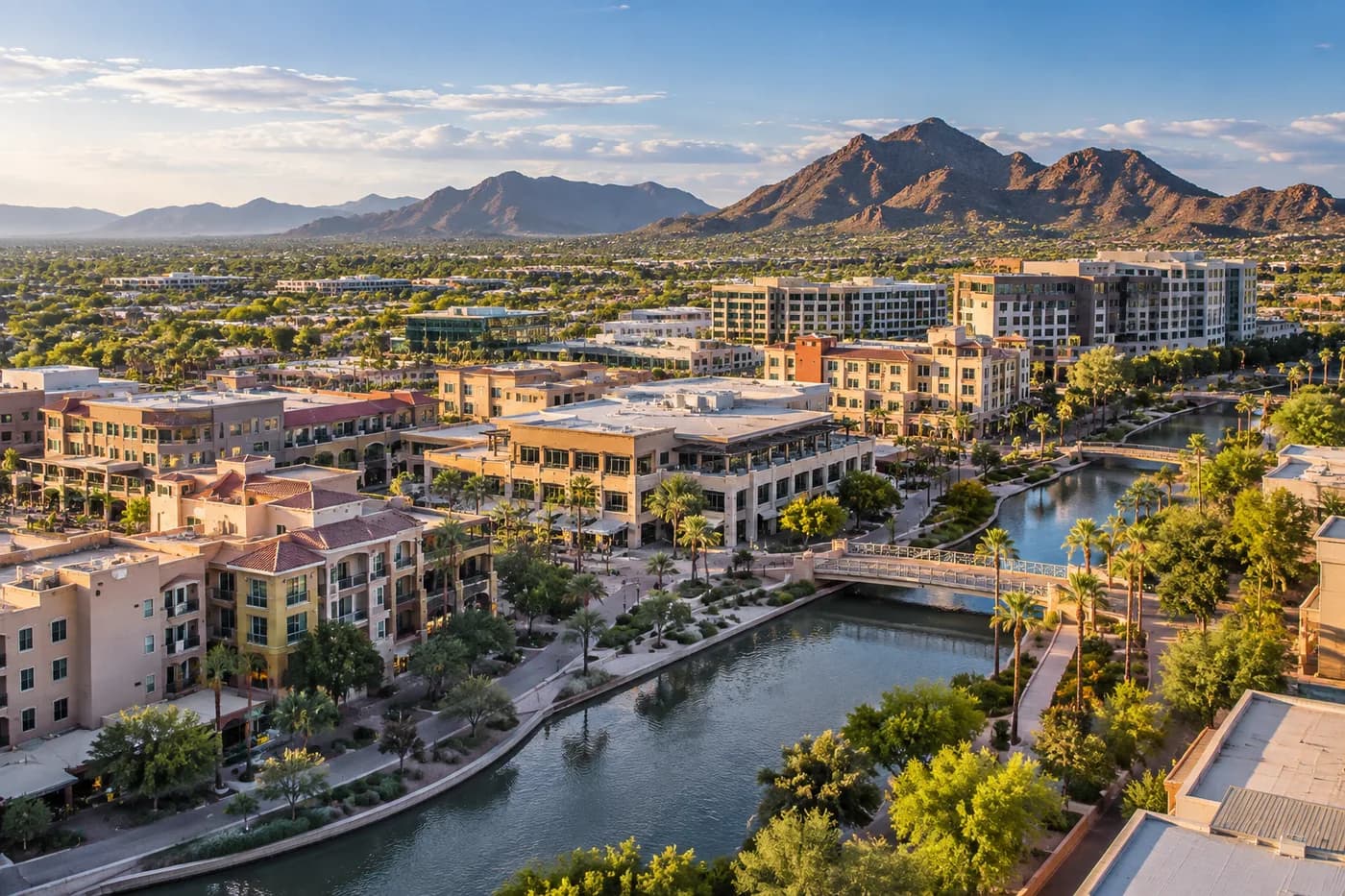
Hot Desert · urban setting
Read the local guide →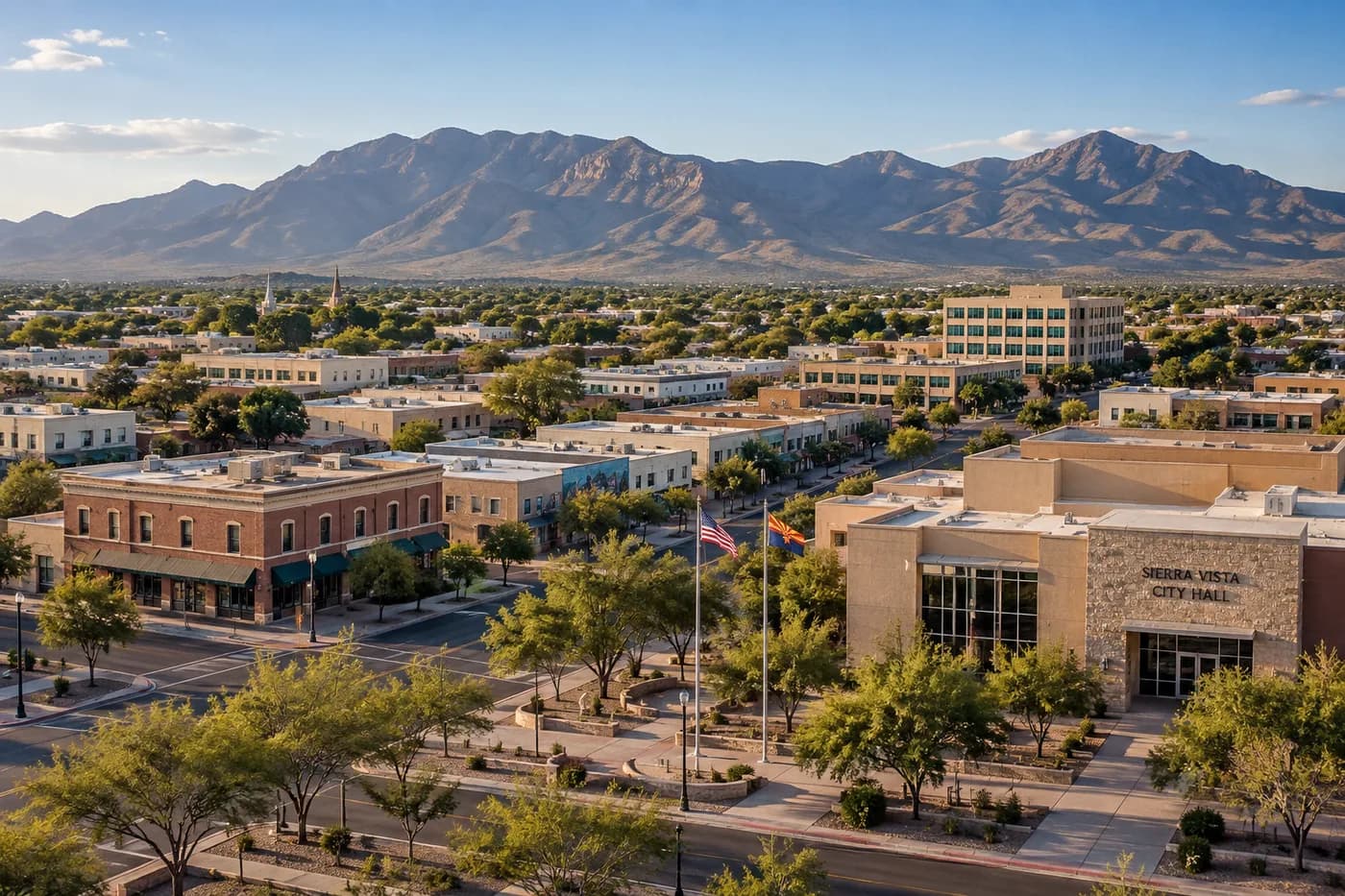
Semi-Arid · suburban setting
Read the local guide →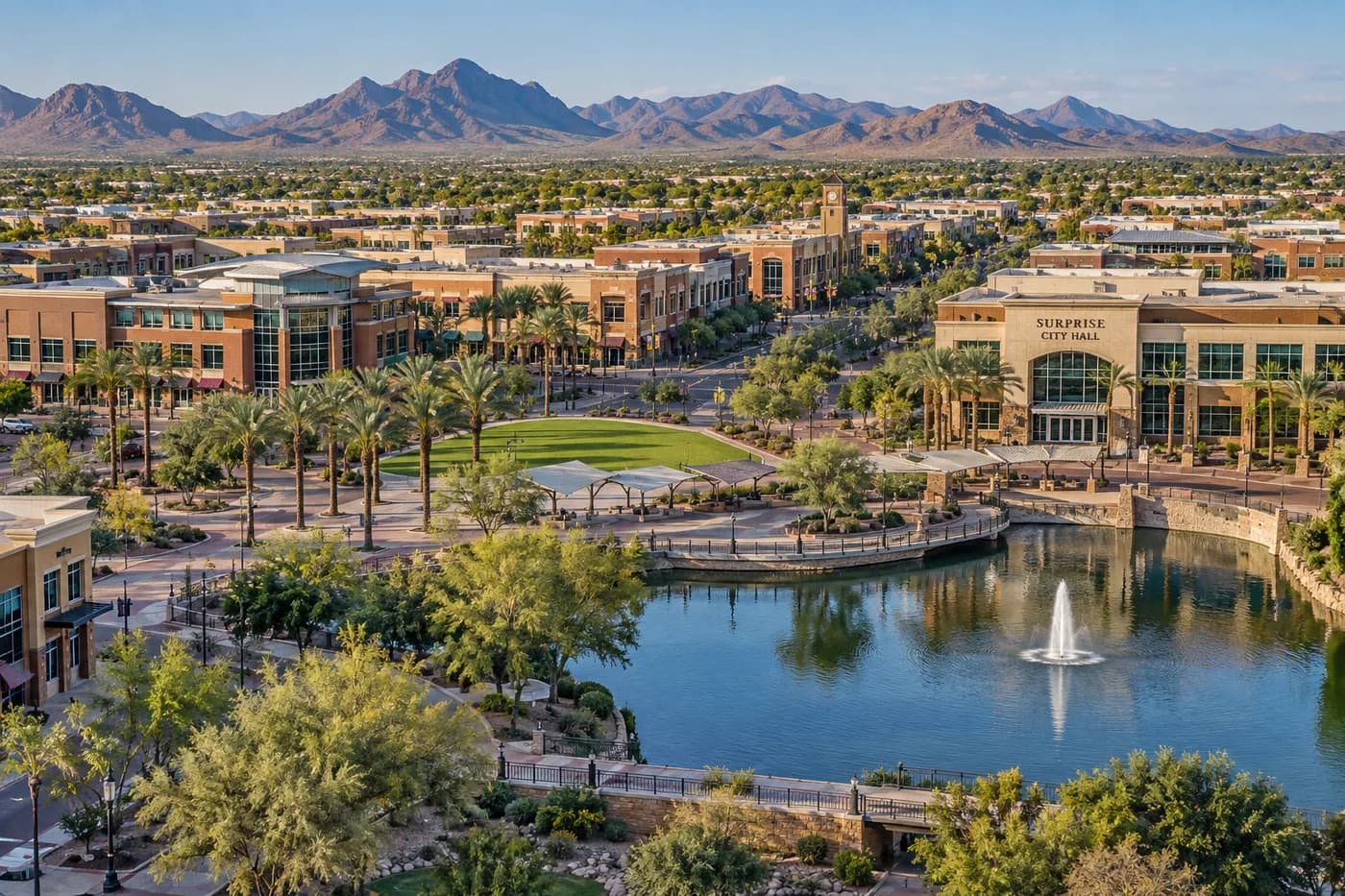
Hot Desert · suburban setting
Read the local guide →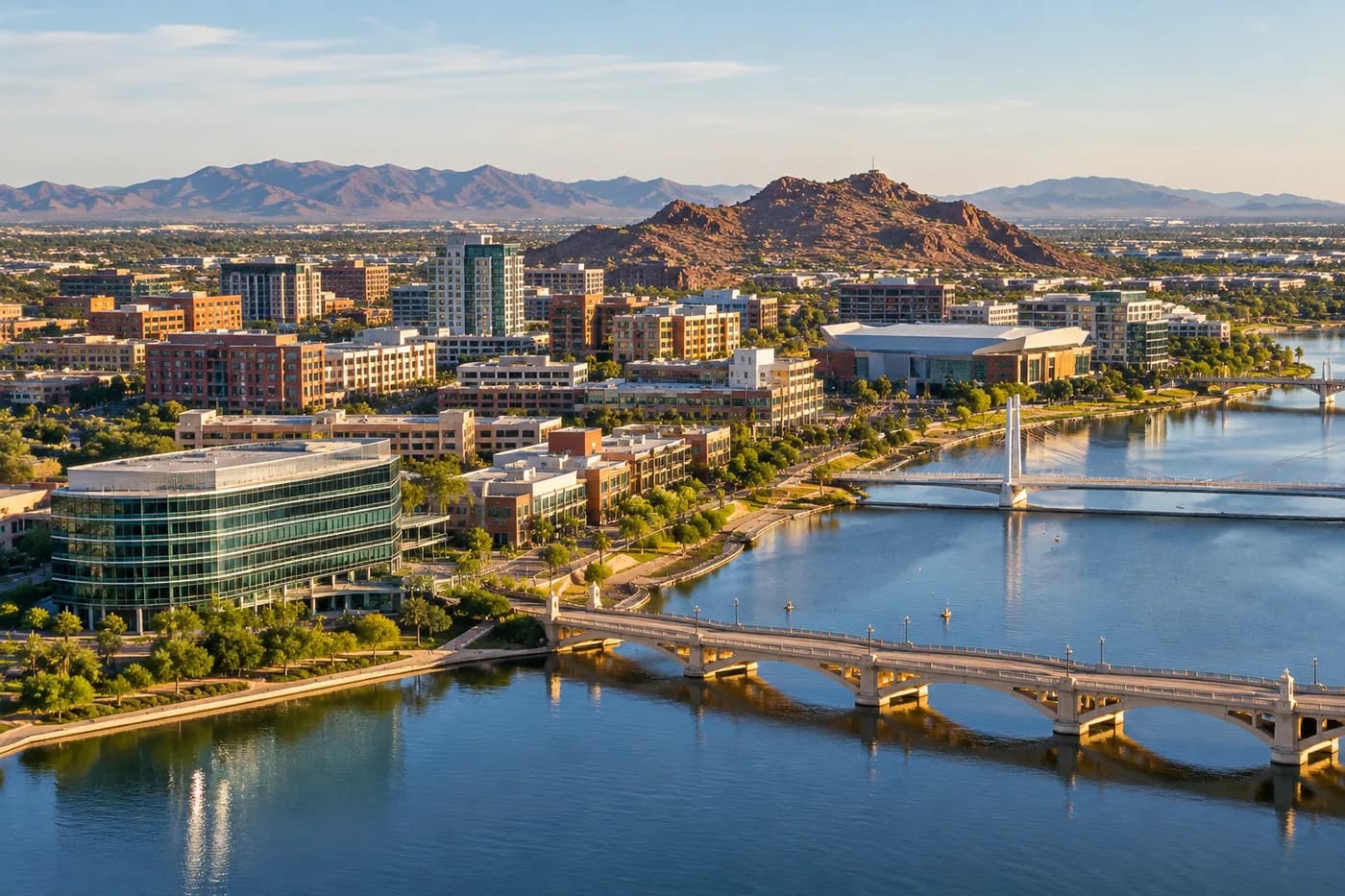
Hot Desert · urban setting
Read the local guide →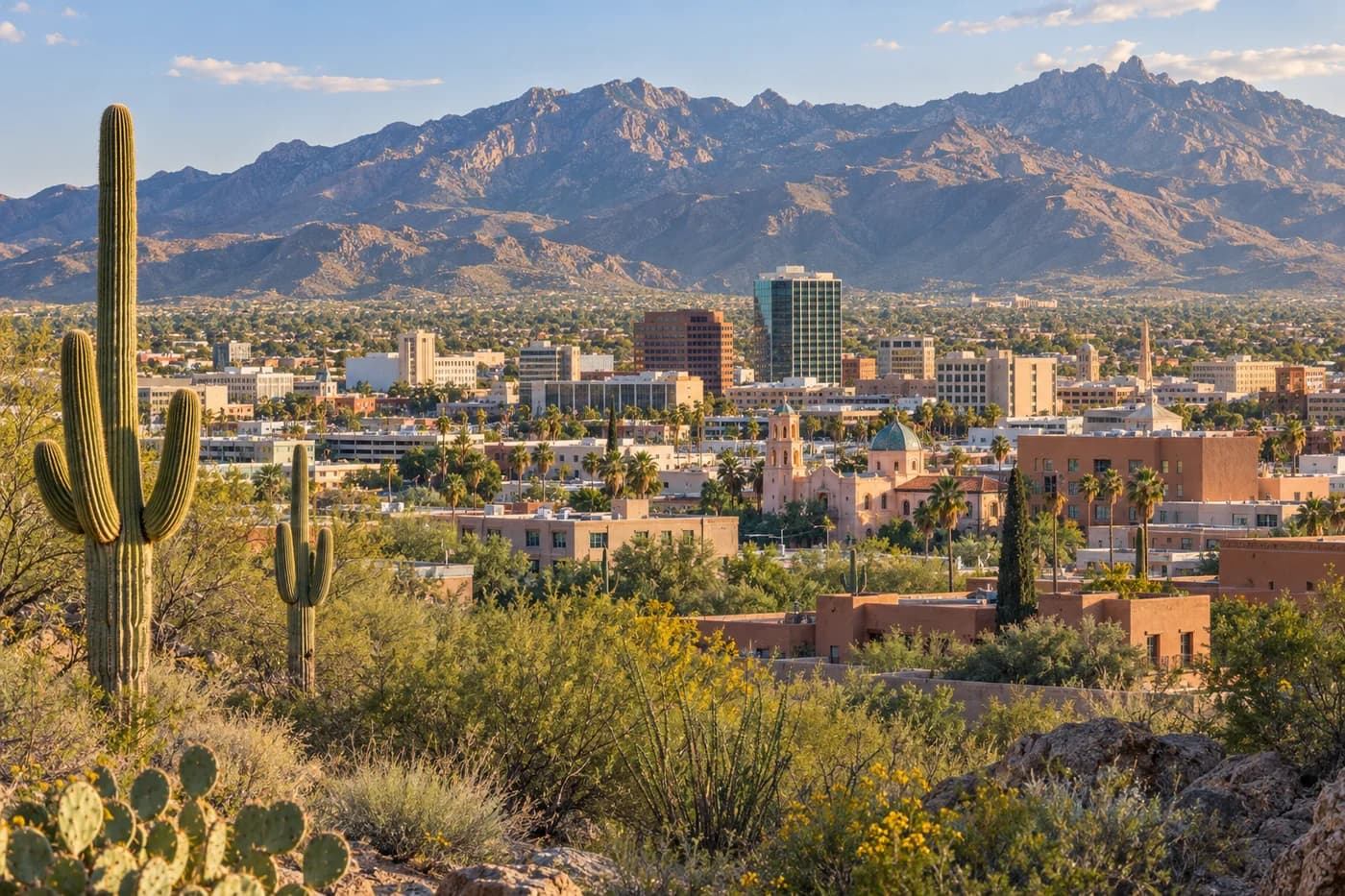
Hot Desert · urban setting
Read the local guide →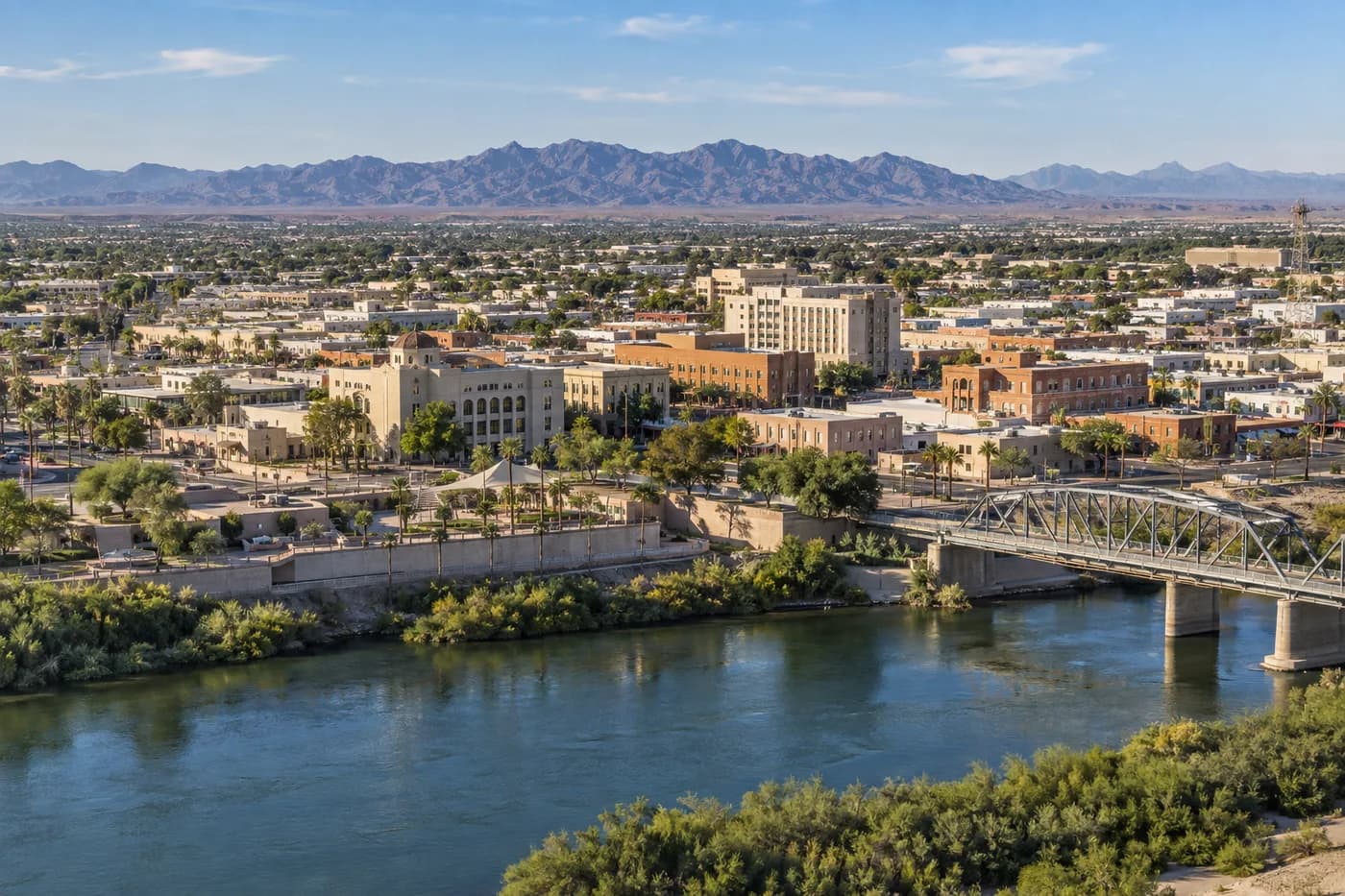
Hot Desert · suburban setting
Read the local guide →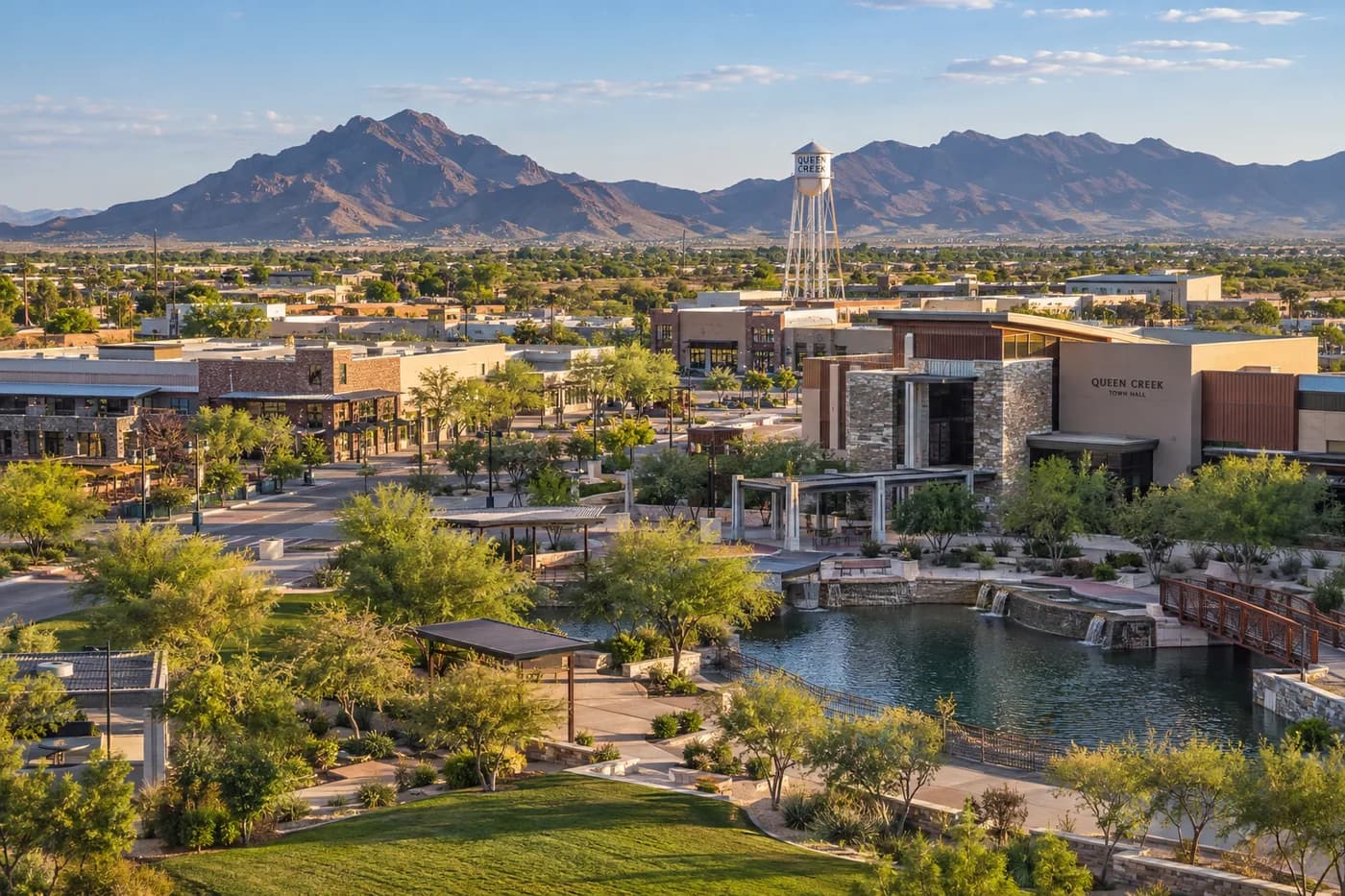
Hot Desert · suburban setting
Read the local guide →